FordParts
My Garage
My Account
Cart
OEM Ford Transit Connect Ball Joint
Control Arm Joint- Select Vehicle by Model
- Select Vehicle by VIN
Select Vehicle by Model
orMake
Model
Year
Select Vehicle by VIN
For the most accurate results, select vehicle by your VIN (Vehicle Identification Number).
1 Ball Joint found
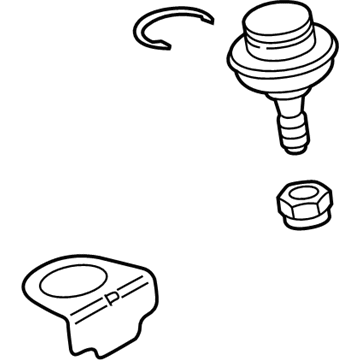
Ford Transit Connect Ball Joint, Front Part Number: 2T1Z-3468-A
Ford Transit Connect Ball Joint
OEM Ball Joint boasts unmatched quality. Each part goes through full quality checks. They adhere to Ford's official factory standards. These steps remove flaws and inconsistencies. So you can get Ball Joint with long life and a perfect fit. Come to our website and find genuine Ford Transit Connect parts. We keep a wide inventory of OEM Transit Connect parts at the highly affordable prices. It's easy to search, compare, and pick what you need. You'll love the clear info and simple checkout. We offer top-rated customer service, and we reply fast. We also ship promptly to ensure your order arrives on time.
Ford Transit Connect Ball Joint is located at the centre of the fronts suspension, a durable swivel that connects the control arm with the steering knuckle ensuring that the wheels may move without any difficulties during each trip. The Ford Transit Connect is praised to have a small size with a generous cargo capacity, sliding doors which are easy to operate, and engines that are fuel-thrifty without losing the ability to manoeuvre even in narrow streets of the city. The riders have got a high roof, adaptable seat arrangement and driving-assist features which make the Ford Transit Connect to look like a large van in terms of capability but a small cars in terms of parking lots. The Ball Joint is built using hardy materials with sealed lubrication to support the weight of the vehicle, maintain the same camber angle and translate the steering input to accurate cornering to ensure tires wear uniformly and the safety level is high. Due to the long use of the Ford Transit Connect to transport tools or passengers, a new Ball Joint gives it back a sharp handling and quiet suspension to avoid shimmy and wandering. Nationwide, Ford dealers maintain stocks of replacements that save the owner time as they get back to the road. Technicians are thrilled by the fact that a good Transit Connect helps press in a quality Ball Joint that will not give in to the road dirt with a protection boot. To have it set up, raise the van, take the wheel off, unscrew the old bit, press the new Ball Joint and make sure that the fasteners are torqued properly, then put the wheel back on and drive around to ensure that the steering is tight.
Related Ford Transit Connect Parts
 Ford Transit Connect Bump Stop
 Ford Transit Connect Coil Spring Insulator
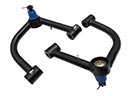 Ford Transit Connect Control Arm
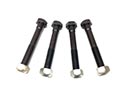 Ford Transit Connect Control Arm Bolt
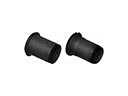 Ford Transit Connect Control Arm Bushing
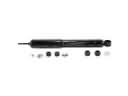 Ford Transit Connect Shock Absorber
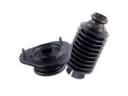 Ford Transit Connect Shock and Strut Boot
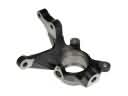 Ford Transit Connect Steering Knuckle
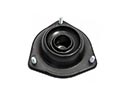 Ford Transit Connect Strut Mounts
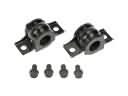 Ford Transit Connect Sway Bar Bracket
 Ford Transit Connect Sway Bar Link
 Ford Transit Connect Sway Bars