FordParts
My Garage
My Account
Cart
OEM Ford Transit Connect Thermostat Housing
Engine Coolant Thermostat Housing- Select Vehicle by Model
- Select Vehicle by VIN
Select Vehicle by Model
orMake
Model
Year
Select Vehicle by VIN
For the most accurate results, select vehicle by your VIN (Vehicle Identification Number).
3 Thermostat Housings found
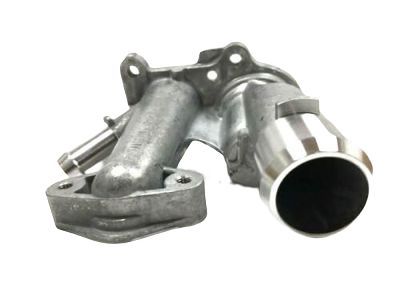
Ford Transit Connect Thermostat Housing Part Number: BM5Z-8592-C
$62.21 MSRP: $102.36You Save: $40.15 (40%)Ships in 1-2 Business Days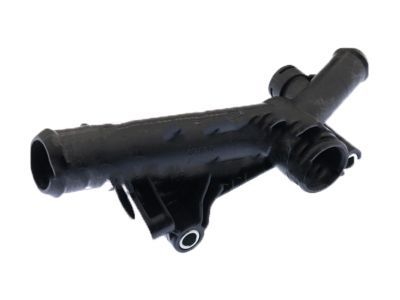
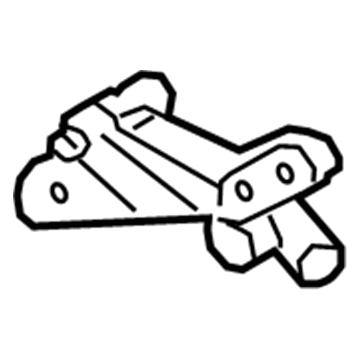
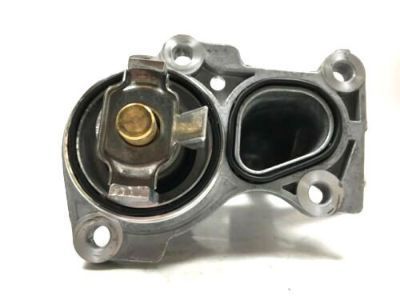
Ford Transit Connect Water Outlet Part Number: BM5Z-8592-D
$58.45 MSRP: $88.17You Save: $29.72 (34%)Ships in 1-2 Business Days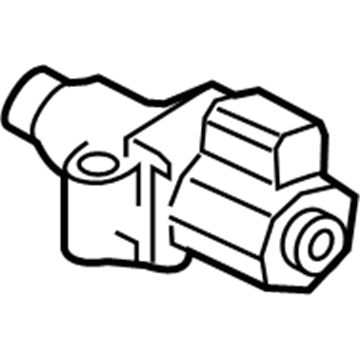
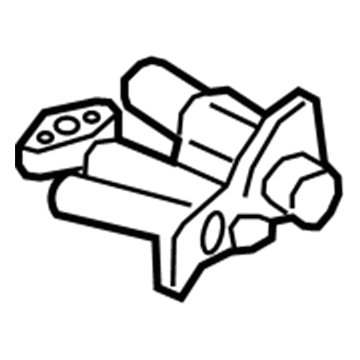
Ford Transit Connect Valve Part Number: DJ5Z-8592-A
$57.46 MSRP: $86.67You Save: $29.21 (34%)Ships in 1-3 Business Days
Ford Transit Connect Thermostat Housing
OEM Thermostat Housing boasts unmatched quality. Each part goes through full quality checks. They adhere to Ford's official factory standards. These steps remove flaws and inconsistencies. So you can get Thermostat Housing with long life and a perfect fit. Come to our website and find genuine Ford Transit Connect parts. We keep a wide inventory of OEM Transit Connect parts at the highly affordable prices. It's easy to search, compare, and pick what you need. You'll love the clear info and simple checkout. We offer top-rated customer service, and we reply fast. We also ship promptly to ensure your order arrives on time.
Ford Transit Connect Thermostat Housing is in the centre of the small van that is preferred by teens and tradespeople as the Ford Transit Connect balances the dimensions of an urban-friendly smaller size with the astounding cargo capacity and a manoeuvring steering that allow drivers to park a car easily but carry sports equipment or tools. The new Ford Transit Connect also has peppy 4 cylinder choices, intelligent fuel economy, rapid sliding side doors and easier folding seating that can be folded down flat against the weekend adventure or small business delivery, and is supported by reliable engineering and pocket friendly servicing. This hardworking engine bay contains a Thermostat Housing that closes the coolant passageway around the thermostat, steers the liquid flow between the engine and the radiator, and fixes sensors monitoring temperature to ensure that the motor is kept cool on a heavy stop and go route. Constructed of tough metal or high density plastic, every Thermostat Housing is immune to heat cycles, vibration and road grit, ensuring long life of the drivers of a Ford Transit Connect. A broken or distorted Thermostat Housing will lead to leakage and overheating which means that in time, it must be replaced to protect the engine and ensure that service vans are on time. Installation of the Ford Transit Connect Thermostat Housing requires cooling the engine, emptying the old unit, dismantling the old unit, attaching a new gasket, bolting the new unit, refilling the coolant, bleeding air, and inspecting the leaks.
Related Ford Transit Connect Parts
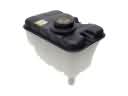 Ford Transit Connect Coolant Reservoir
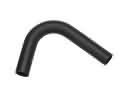 Ford Transit Connect Radiator Hose
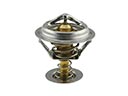 Ford Transit Connect Thermostat
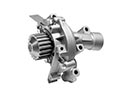 Ford Transit Connect Water Pump
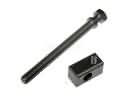 Ford Transit Connect Belt Tensioner Bolt
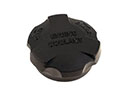 Ford Transit Connect Coolant Reservoir Cap
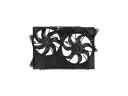 Ford Transit Connect Cooling Fan Assembly
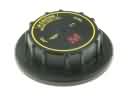 Ford Transit Connect Radiator Cap
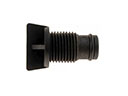 Ford Transit Connect Radiator Drain Plug
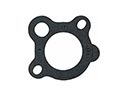 Ford Transit Connect Thermostat Gasket
 Ford Transit Connect Water Pump Gasket
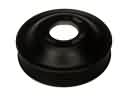 Ford Transit Connect Water Pump Pulley