FordParts
My Garage
My Account
Cart
OEM Mercury Relay Block
Relay Fuse Box- Select Vehicle by Model
- Select Vehicle by VIN
Select Vehicle by Model
orMake
Model
Year
Select Vehicle by VIN
For the most accurate results, select vehicle by your VIN (Vehicle Identification Number).
1 Relay Block found
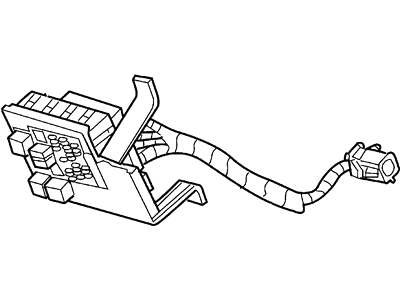
Mercury Fuse Box Part Number: F1AZ-14A068-A
Product Specifications- Other Name: Box Assembly - Fuse; Junction Boxes
Mercury Relay Block
If you own Mercury and want to keep it in top shape, choosing OEM Relay Block is a smart move. They are precisely engineered and follow strict factory standards. They are made in advanced facilities that use cutting edge technology. Each part goes through thorough testing to confirm strength and safety, so you can trust it. FordPartsDeal.com gives you genuine Mercury Relay Block at some of the affordable online prices without cutting quality. Every OEM Mercury part includes the manufacturer's warranty, easy returns, and super-fast delivery. So why wait? Shop now and get your vehicle back to peak condition.
Mercury Relay Block provides fast and fastened power delivery to classic cars and protect circuits against overloading, which makes the upgrade a small but significant one. In its life span, 1939 to 2011, Mercury produced midsize cars that were characterized by smooth ride, large cabins and acute design. The brand was also in quest of a combination of speed and grace hence the name Mercury was borrowed from the swift messenger in Roman mythology. Drivers loved the combination of comfort and value in the Mercury cars through the use of fine-tuned suspension components and plush interiors that reduced the amount of noise inside the vehicle. The Cougar and Grand Marquis illustrated how it continued to bring in barebone innovations that made travelling daily easier. A Relay Block is a small enclosure which has relays and fuses, making wiring and protecting high draw circuits easier under a single enclosure. In the installation of the Mercury Relay Block, remember to disconnect the battery to be on the safe side. Identify a good mounting point that has good metal to ground, mount the Relay Block in a permanent manner that it will not fall off in the bumpy roads. Wrap up the wiring looms with loom wrap or tape which helps prevent abrasion, crimp or solder in each terminal and then slide them into the marked cavities until they clap together. Insert relays and fuses into the numbered slots, apply dielectric grease on the contacts and insert the protective lid. Lastly reattach the battery, turn on the headlights or some other high load gadget and ensure all the circuits start without flicker.
Related Mercury Parts
 Mercury Relay
 Mercury Fuse
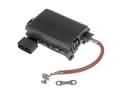 Mercury Fuse Box
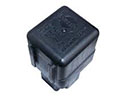 Mercury Starter Relay
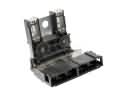 Mercury Battery Fuse
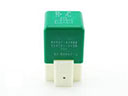 Mercury Cooling Fan Relay
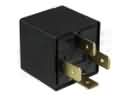 Mercury Daytime Running Light Relay
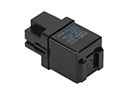 Mercury Flasher Relay
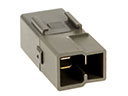 Mercury Horn Relay
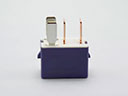 Mercury Ignition Relay
 Mercury Lighting Control Module
 Mercury Parking Assist Sensor