FordParts
My Garage
My Account
Cart
OEM Ford F-150 Radiator fan
Radiator Cooling Fan- Select Vehicle by Model
- Select Vehicle by VIN
Select Vehicle by Model
orMake
Model
Year
Select Vehicle by VIN
For the most accurate results, select vehicle by your VIN (Vehicle Identification Number).
18 Radiator fans found
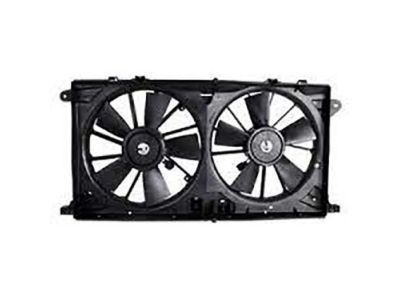
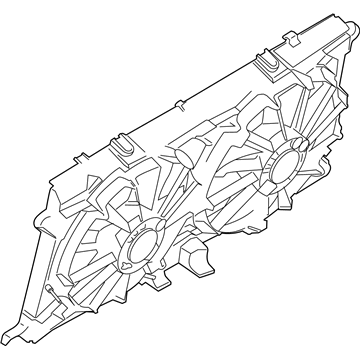
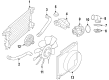
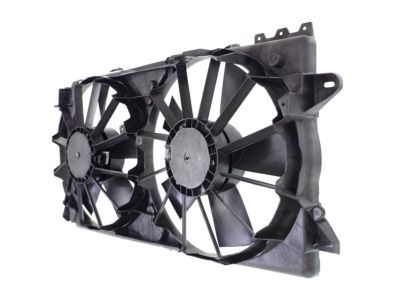
Ford F-150 Fan Assembly Part Number: JL3Z-8C607-B
$275.94 MSRP: $458.18You Save: $182.24 (40%)Ships in 1-2 Business Days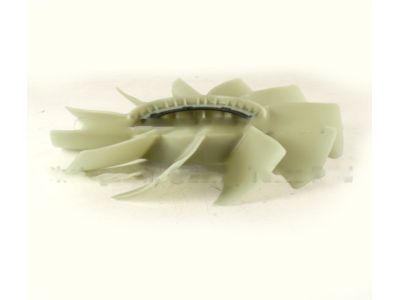
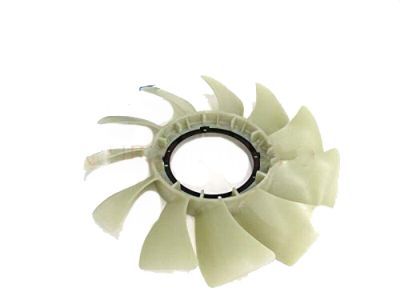
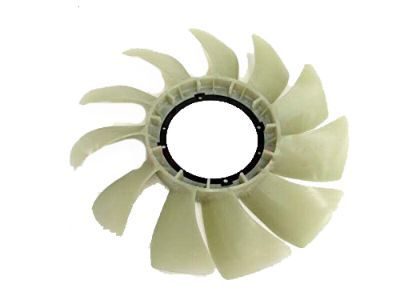
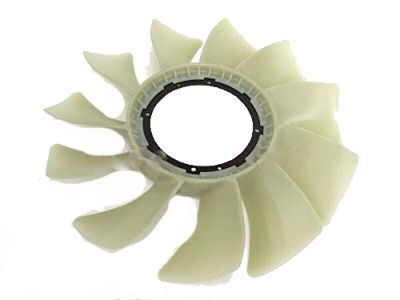
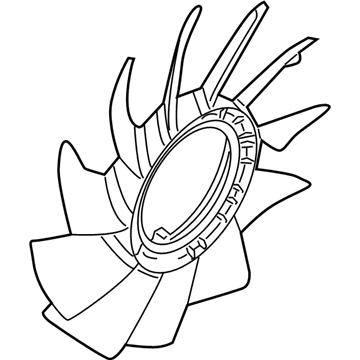
Ford F-150 Fan Blade Part Number: 6L2Z-8600-BA
$72.60 MSRP: $119.45You Save: $46.85 (40%)Ships in 1-2 Business Days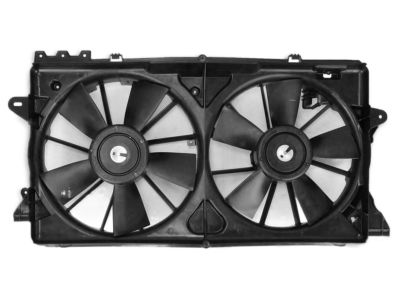
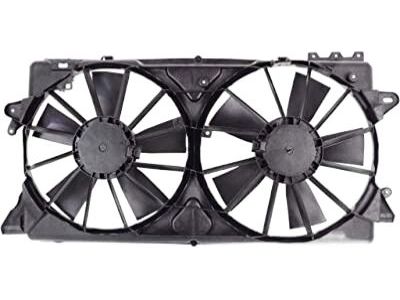
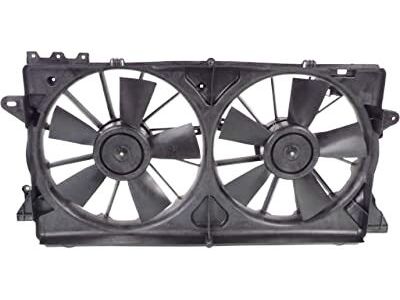
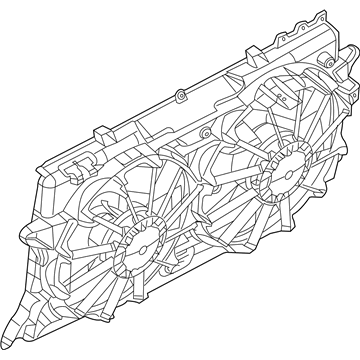
Ford F-150 Fan & Motor Part Number: BL3Z-8C607-B
$281.42 MSRP: $467.27You Save: $185.85 (40%)Ships in 1 Business Day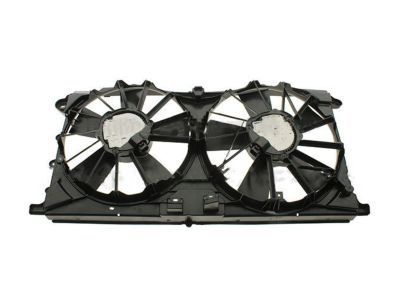
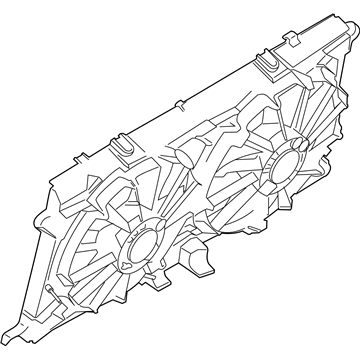
Ford F-150 Fan Assembly Part Number: HL3Z-8C607-D
$608.82 MSRP: $1010.91You Save: $402.09 (40%)Ships in 1-2 Business Days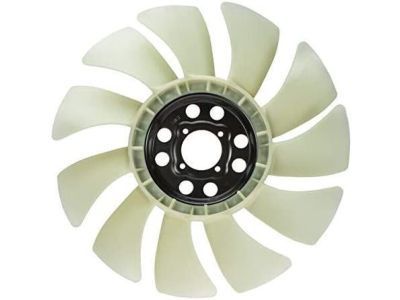
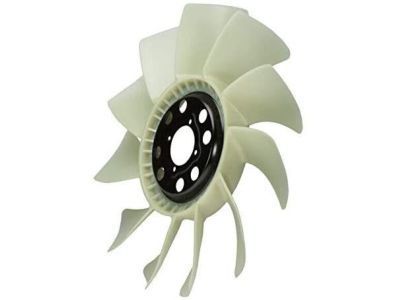
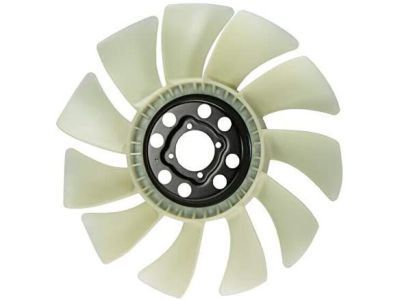
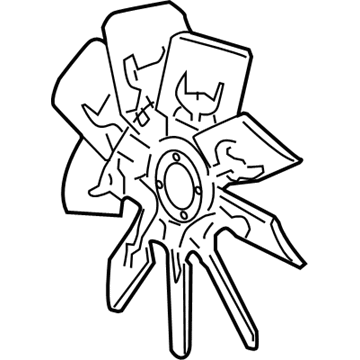
Ford F-150 Fan Blade Part Number: 5L1Z-8600-AB
$82.10 MSRP: $113.57You Save: $31.47 (28%)Ships in 1-2 Business Days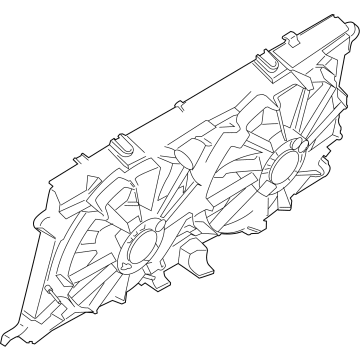
Ford F-150 Motor And Fan Assembly - Engine Cooling Part Number: ML3Z-8C607-H
$513.45 MSRP: $889.09You Save: $375.64 (43%)Ships in 1-2 Business Days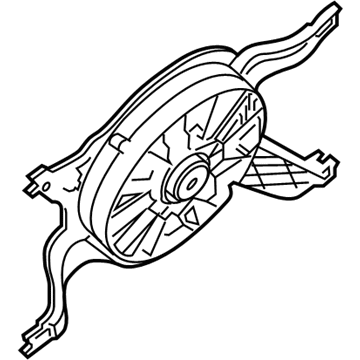
Ford F-150 Fan Assembly Part Number: JL3Z-8C607-C
$385.87 MSRP: $660.00You Save: $274.13 (42%)Ships in 1-2 Business Days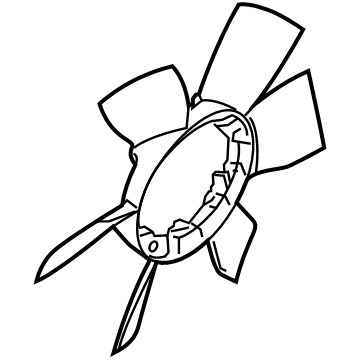
Ford F-150 Fan Blade Part Number: JL3Z-8600-A
$76.25 MSRP: $125.45You Save: $49.20 (40%)Ships in 1-3 Business Days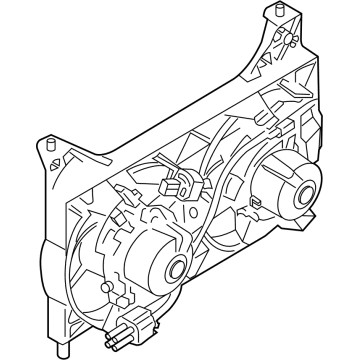
Ford F-150 Fan And Motor Assembly Part Number: ML3Z-8C607-K
$371.21 MSRP: $616.36You Save: $245.15 (40%)Ships in 1-2 Business Days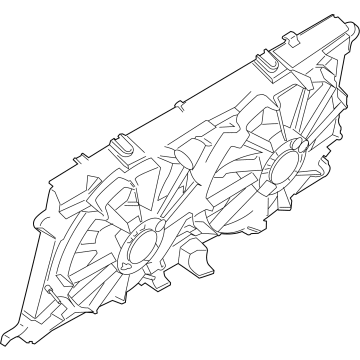
Ford F-150 Motor And Fan Assembly - Engine Cooling Part Number: ML3Z-8C607-J
$797.16 MSRP: $1323.64You Save: $526.48 (40%)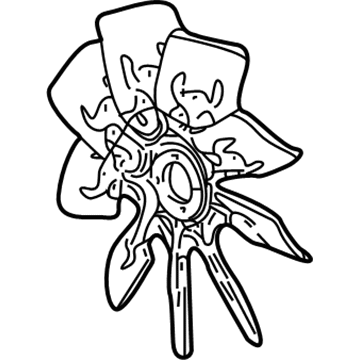
Ford F-150 Fan Blade Part Number: F65Z-8600-AA
$76.48 MSRP: $105.80You Save: $29.32 (28%)Ships in 1-2 Business Days
Ford F-150 Motor And Fan Assembly - Engine Cooling Part Number: RL3Z-8C607-C
$524.51 MSRP: $870.91You Save: $346.40 (40%)Ships in 1-2 Business Days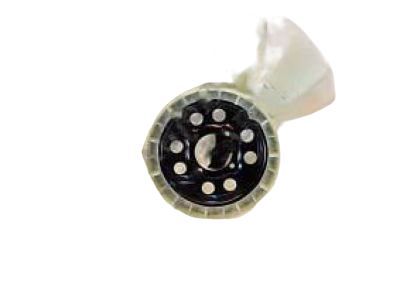
Ford F-150 Fan Blade Part Number: F85Z-8600-AA
$58.40 MSRP: $92.73You Save: $34.33 (38%)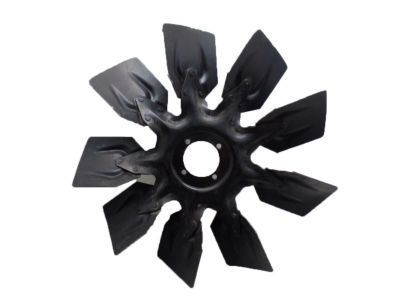
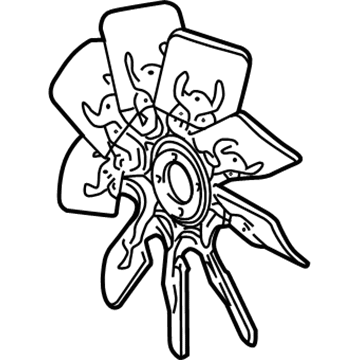
Ford F-150 Fan Blade Part Number: F65Z-8600-AB
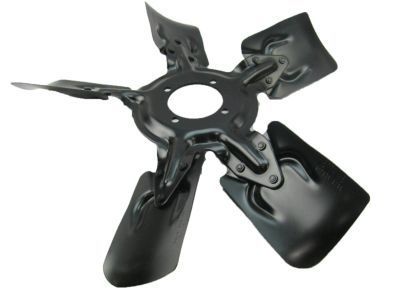
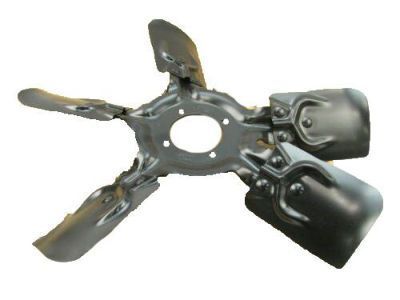
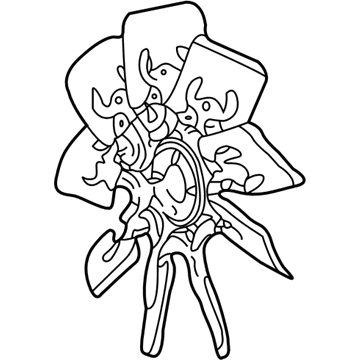
Ford F-150 Fan Blade Part Number: E7TZ-8600-B
Ford F-150 Fan Module Part Number: JL3Z-8C607-A
Ford F-150 Fan Blade Part Number: F4TZ-8600-A
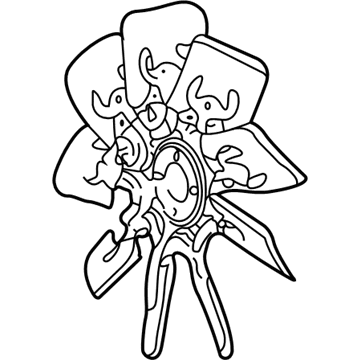
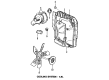
Ford F-150 Fan Blade Part Number: F2UZ-8600-A
Ford F-150 Radiator fan
OEM Radiator fan boasts unmatched quality. Each part goes through full quality checks. They adhere to Ford's official factory standards. These steps remove flaws and inconsistencies. So you can get Radiator fan with long life and a perfect fit. Come to our website and find genuine Ford F-150 parts. We keep a wide inventory of OEM F-150 parts at the highly affordable prices. It's easy to search, compare, and pick what you need. You'll love the clear info and simple checkout. We offer top-rated customer service, and we reply fast. We also ship promptly to ensure your order arrives on time.
The Ford F-150 Radiator fan helps to keep engine temperatures steady by pulling in cool air through the radiator when stops and slow crawls occur. Thus, the engine can maintain consistent power. The F-150 is Ford's attempt at merging utility and comfort. Introduced in the mid seventies, through the successive generations, the truck got fuel injected V8 options, sturdy galvanized panels, front disc brakes and aerodynamic frames that save fuel whether towing or commuting. Ford made further improvements to the F-150 that include more refined automatic transmissions and a line-up of power-rich engines that give the F-150 an image of toughness, hauling power, and everyday driveability even teenagers can appreciate when helping friends move or driving to practice. Ford's genuine parts give confidence that all your replacements will fit to the original equal standard engineering that owners expect. The Radiator fan, located just behind the grille, uses either a belt-driven clutch or an electric motor. Its job is to move high volumes of air across coolant-soaked fins. This action reduces the temperature of the fluid before it cycles back into the block and prevents hot weather knock or power loss. A properly functioning Radiator fan prevents overheating when an F-150 works on a steep grade. Electric styles operate independently of engine speed, making them ideal for city traffic. The installation steps begin with the disconnection of the battery followed by removal of the shroud then unbolting of the old Radiator fan and seating the new unit finally reconnect wiring. After that, check for smooth noise free operation.
Related Ford F-150 Parts
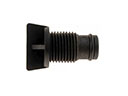 Ford F-150 Radiator Drain Plug
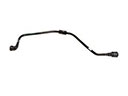 Ford F-150 Coolant Reservoir Hose
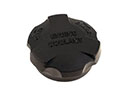 Ford F-150 Coolant Reservoir Cap
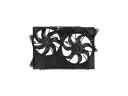 Ford F-150 Cooling Fan Assembly
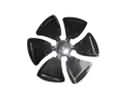 Ford F-150 Fan Blade
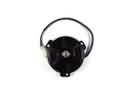 Ford F-150 Fan Motor
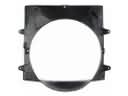 Ford F-150 Fan Shroud
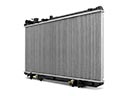 Ford F-150 Radiator
 Ford F-150 Radiator Cap
 Ford F-150 Radiator Hose
 Ford F-150 Thermostat Housing
 Ford F-150 Water Pump Pulley