FordParts
My Garage
My Account
Cart
OEM Ford Ranger Flasher Relay
Indicator Flasher Relay- Select Vehicle by Model
- Select Vehicle by VIN
Select Vehicle by Model
orMake
Model
Year
Select Vehicle by VIN
For the most accurate results, select vehicle by your VIN (Vehicle Identification Number).
3 Flasher Relays found
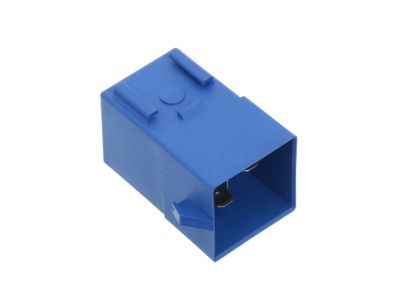
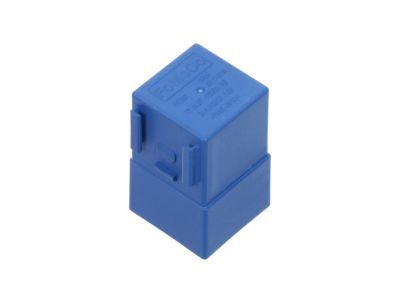
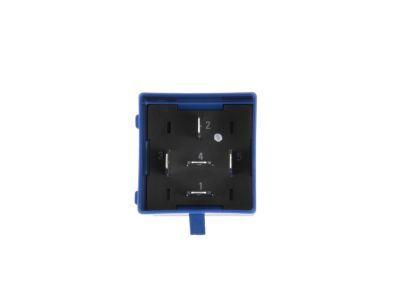
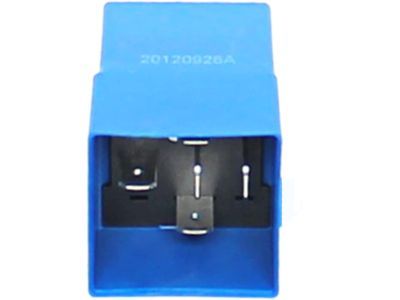
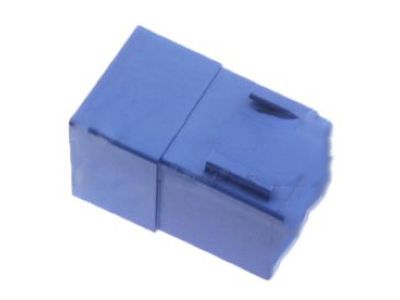

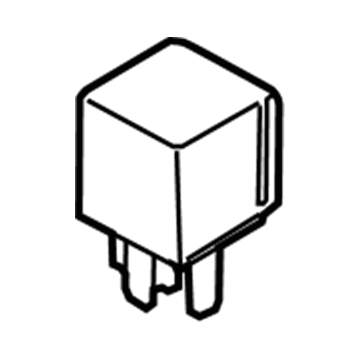
Ford Ranger Flasher Relay, Black/Blue Part Number: 5L5Z-13350-AA
$26.68 MSRP: $42.36You Save: $15.68 (38%)Ships in 1 Business Day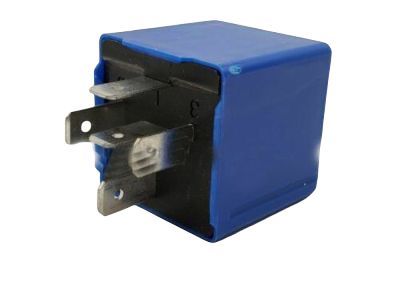
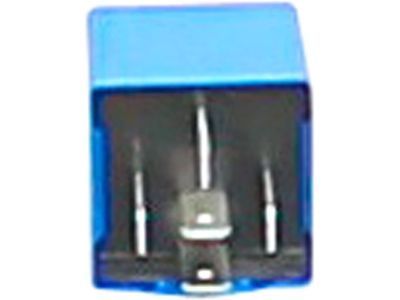
Ford Ranger Flasher Relay, Blue Part Number: 5C3Z-13350-AA
$30.80 MSRP: $48.91You Save: $18.11 (38%)Ships in 1-2 Business Days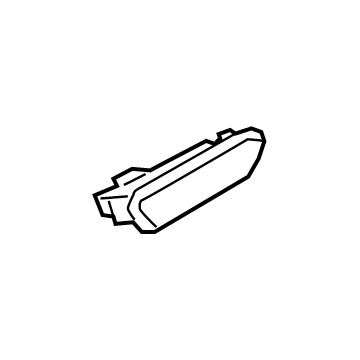
Ford Ranger Hazard Switch Part Number: EB3Z-13350-AA
$72.14 MSRP: $105.00You Save: $32.86 (32%)Ships in 1-3 Business Days
Ford Ranger Flasher Relay
OEM Flasher Relay boasts unmatched quality. Each part goes through full quality checks. They adhere to Ford's official factory standards. These steps remove flaws and inconsistencies. So you can get Flasher Relay with long life and a perfect fit. Come to our website and find genuine Ford Ranger parts. We keep a wide inventory of OEM Ranger parts at the highly affordable prices. It's easy to search, compare, and pick what you need. You'll love the clear info and simple checkout. We offer top-rated customer service, and we reply fast. We also ship promptly to ensure your order arrives on time.
The Ford Ranger Flasher Relay is responsible for the blinking of the turn signals so that drivers and others see distinct, clear flashes in all traffic conditions. This small cube houses circuitry that opens and closes the circuit at the right rhythm even when bulbs or trailer loads change. The Ford Ranger is a mid-size pickup that combines strength with modern comforts. The 2.3 liter EcoBoost is 270 horsepower, putting this power through a responsive 10 speed automatic for quick launches and good highway fuel economy. Ranger's strong frameless construction gives it the capacity to tow up to 7,500 pounds. Optional four-wheel drive and a well-tuned suspension keep the truck steady on dirt, gravel, and pavement, adding classic Ford toughness. A driver will find supportive seating, a responsive infotainment screen, and safety tech, including lane keeping assist and pre-collision alert, that make every trip more confidence inspiring. A durable build means it will take routine maintenance without fuss, and authentic Ford parts fit just right, keeping it ready for work or play. The Flasher Relay is designed to resist vibration, although it can wear over the years. As a Flasher Relay inside a Ranger begins to fail, the signal may either stay lit or blink too fast. Swapping it out will quickly restore communication to surrounding traffic. To install a new Flasher Relay, first disconnect your battery and pull the old one out. Next, press the new relay into its slot firmly. Then connect power back and test your indicator and hazard lights.
Related Ford Ranger Parts
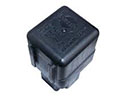 Ford Ranger Starter Relay
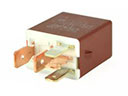 Ford Ranger Fuel Pump Relay
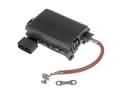 Ford Ranger Fuse Box
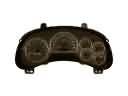 Ford Ranger Instrument Cluster
 Ford Ranger Relay
 Ford Ranger Headlight Relay
 Ford Ranger Horn Relay
 Ford Ranger Ignition Relay
 Ford Ranger Power Window Switch
 Ford Ranger Speedometer Cable
 Ford Ranger Lighting Control Module
 Ford Ranger Mirror Actuator