FordParts
My Garage
My Account
Cart
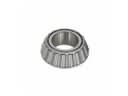
OEM Lincoln Pinion Bearing
Transmission Pinion Bearing- Select Vehicle by Model
- Select Vehicle by VIN
Select Vehicle by Model
orMake
Model
Year
Select Vehicle by VIN
For the most accurate results, select vehicle by your VIN (Vehicle Identification Number).
11 Pinion Bearings found
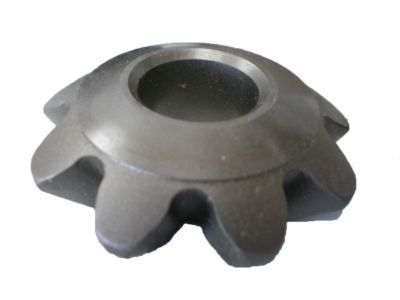
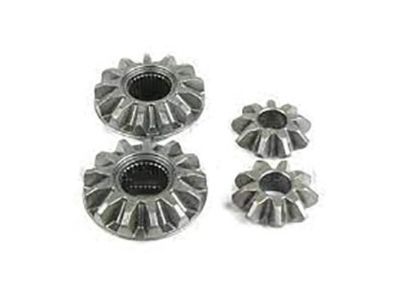
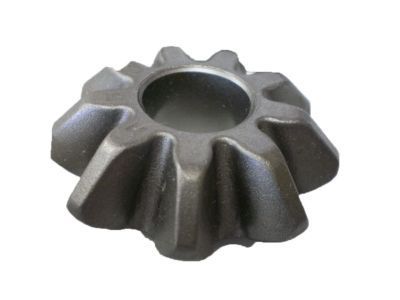
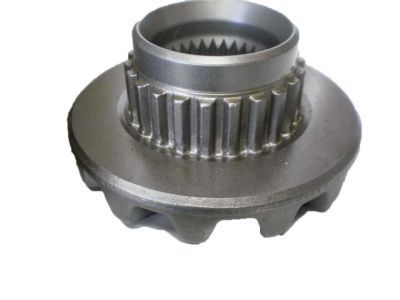
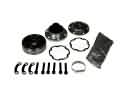
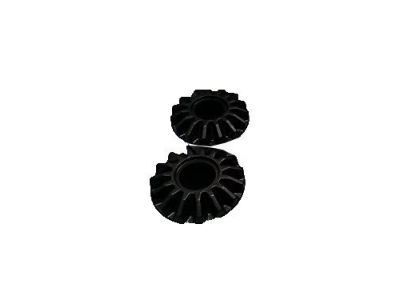
Lincoln Pinion Gear Part Number: AR3Z-4215-A
$177.59 MSRP: $258.50You Save: $80.91 (32%)Ships in 1-3 Business DaysProduct Specifications- Other Name: Pinion - Differential; Gear Kit; Side Gear; Side Gear Kit
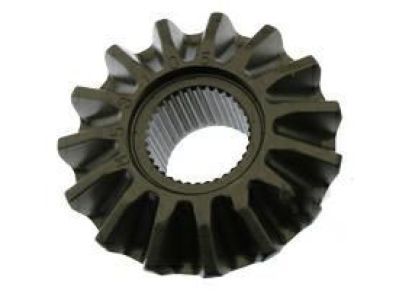
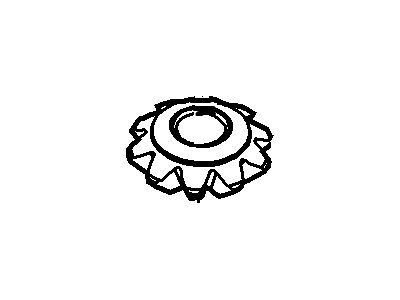
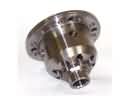
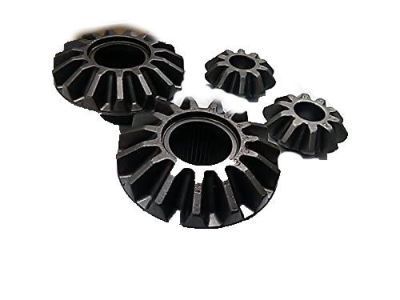
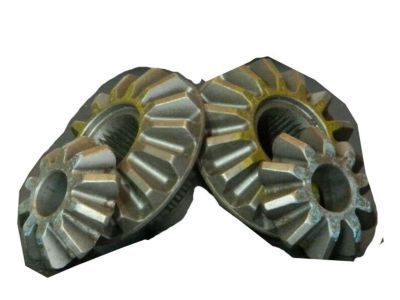
Lincoln Pinion Gear Part Number: BC3Z-4215-A
$334.89 MSRP: $525.06You Save: $190.17 (37%)Ships in 1-3 Business DaysProduct Specifications- Other Name: Pinion - Differential; Gear Kit; Side Gear
- Replaces: 3C3Z-4215-BA, 8C3Z-4215-A
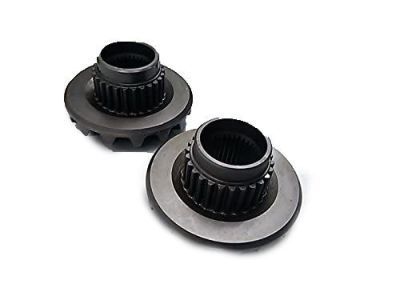
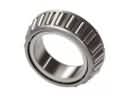
Lincoln Pinion Gear Part Number: 8C3Z-4215-C
$194.65 MSRP: $283.33You Save: $88.68 (32%)Ships in 1-3 Business DaysProduct Specifications- Other Name: Pinion - Differential; Gear Kit; Side Gear
- Manufacturer Note: 2 Pinion
- Replaces: 3C3Z-4215-DA
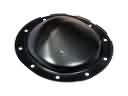
Lincoln Pinion Gear Part Number: AL3Z-4215-B
$125.74 MSRP: $193.50You Save: $67.76 (36%)Ships in 1-2 Business DaysProduct Specifications- Other Name: Pinion - Differential
- Replaces: 9L3Z-4215-B, 2L1Z-4215-FA, 4L3Z-4215-FA, 6L2Z-4215-FA
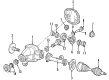
Lincoln Pinion Gear Part Number: 7L1Z-4215-B
$130.97 MSRP: $190.63You Save: $59.66 (32%)Ships in 1-3 Business DaysProduct Specifications- Other Name: Pinion - Differential
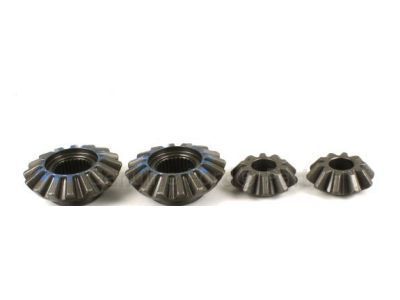
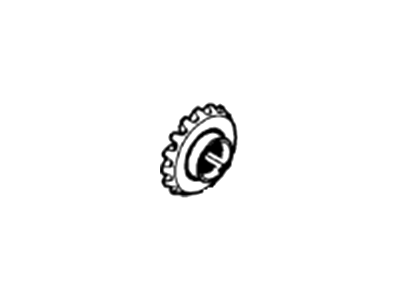
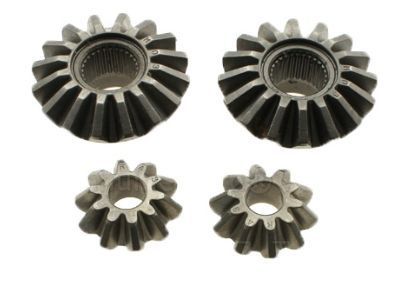
Lincoln Gear Kit Part Number: 5R3Z-4215-AA
Product Specifications- Other Name: Pinion - Differential; Side Gear; Pinion Gear Kit; Side Gear Kit
- Manufacturer Note: Service Kit
- Replaces: 4L5Z-4215-BA, YL5Z-4215-BB
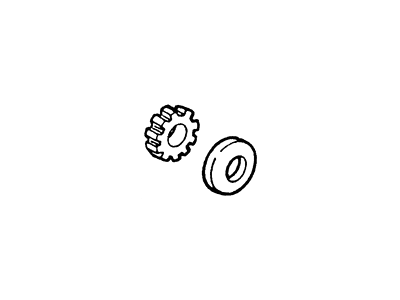
Lincoln Pinion Gear Part Number: 2L1Z-4215-EA
Product Specifications- Other Name: Pinion - Differential
- Replaces: E9SZ-4236-C
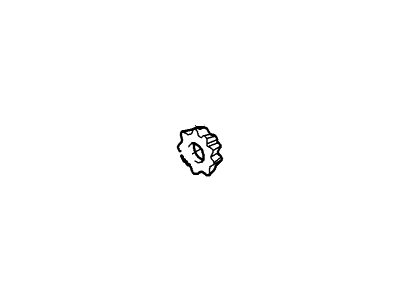
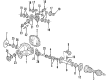
Lincoln Pinion Gear Part Number: 5L3Z-4215-A
Product Specifications- Other Name: Pinion - Differential; Gear Kit; Side Gear; Pinion Gear Kit
- Replaces: 2L1Z-4215-CA
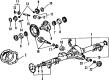
Lincoln Side Gear Part Number: YL5Z-4215-CA
Product Specifications- Other Name: Pinion - Differential; Pinion Gear Kit; Side Gear Kit
- Replaces: E4DZ-4215-A, E9SZ-4236-B
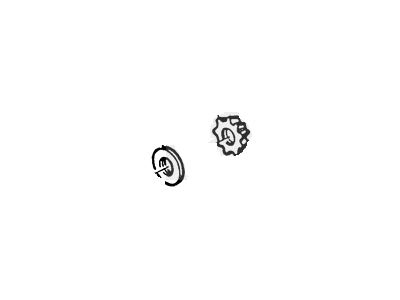
Lincoln Pinion Gear Part Number: E4DZ-4215-A
Product Specifications- Other Name: Pinion - Differential; Gear Kit; Pinion Gear Kit
- Replaced by: YL5Z-4215-CA
Lincoln Pinion Gear Kit Part Number: 2L1Z-4215-DA
Product Specifications- Other Name: Pinion - Differential; Side Gear Kit
Lincoln Pinion Bearing
If you own Lincoln and want to keep it in top shape, choosing OEM Pinion Bearing is a smart move. They are precisely engineered and follow strict factory standards. They are made in advanced facilities that use cutting edge technology. Each part goes through thorough testing to confirm strength and safety, so you can trust it. FordPartsDeal.com gives you genuine Lincoln Pinion Bearing at some of the affordable online prices without cutting quality. Every OEM Lincoln part includes the manufacturer's warranty, easy returns, and super-fast delivery. So why wait? Shop now and get your vehicle back to peak condition.
The Lincoln Pinion Bearing ensures that the differential pinion mounts in a perfectly straight fashion and is almost noiseless, providing the drivers with a quieter transmission of power to the cabin and reducing the cabin noise. Lincoln stocks its luxury cabins with light fabrics, high-resolution screens, and the Quiet Flight layout that eliminates exterior noise, therefore, making each journey comfortable and elegant. Co-Pilot360 features and capabilities like lane keeping, automatic high beams, blind spot alerts, and parking assist are also installed in cars by Lincoln and optional ActiveGlide allows drivers to have hands free highway cruise. The company continues to upgrade technology on an annual basis, takes into consideration the opinion of the owners, and trains employees to provide friendly customer services, which all increase the confidence of long term ownership. Lincoln is concerned with an idyllic relationship, and therefore with minimizing the vibration of the driveshafts by a fine Pinion Bearing suits the company slogan. Pinion Bearing is a type of precision rolling bearing that ensures the pinion gear remains perfectly aligned, minimizes friction and preload is also maintained to ensure gears roll together quietly. To install a Lincoln Pinion Bearing, the first thing to do is to clean the housing and wiping away old debris and replace the races. Oil the parts of contact lightly, then press the bearing firmly on the pinion shoulder. Put on a slide on shims, or crush sleeve, put the pinion in the housing and set the outer race. Install a new seal, yoke, and pinion nut, installing progressively while monitoring rotating drag to adjust the appropriate preload. Lastly, check backlash and gear-contact pattern, re-secure the nut and re-charge with new lubricant.