FordParts
My Garage
My Account
Cart
OEM Mercury Throttle Body Gasket
Fuel Injection Throttle Body Gasket- Select Vehicle by Model
- Select Vehicle by VIN
Select Vehicle by Model
orMake
Model
Year
Select Vehicle by VIN
For the most accurate results, select vehicle by your VIN (Vehicle Identification Number).
20 Throttle Body Gaskets found


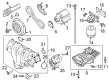
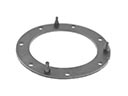
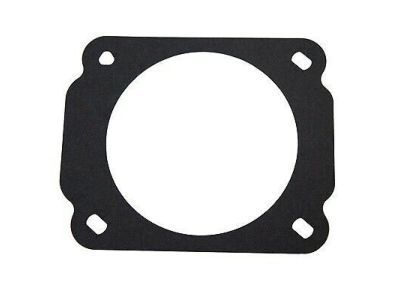
Mercury Throttle Body Part Number: 1X4Z-9E936-AA
$12.10 MSRP: $17.17You Save: $5.07 (30%)Ships in 1-2 Business DaysProduct Specifications- Other Name: Gasket; Fuel Injection Throttle Body Mounting Seal; Engine Intake Manifold Seal; Throttle Body Gasket; Intake Manifold Seal
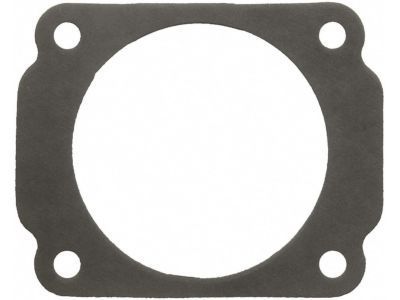
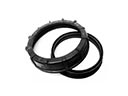
Mercury Intake Manifold Gasket Part Number: F65Z-9E936-BA
$7.12 MSRP: $10.10You Save: $2.98 (30%)Ships in 1 Business DayProduct Specifications- Other Name: Gasket; Throttle Body Mounting Seal; Throttle Body Gasket


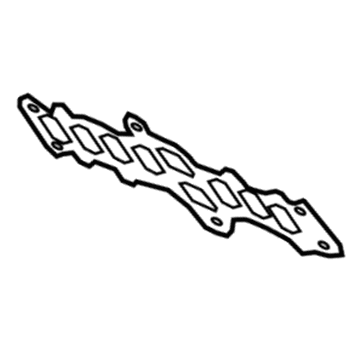
Mercury Front Seal Part Number: 7T4Z-9E936-A
$16.37 MSRP: $23.83You Save: $7.46 (32%)Ships in 1-3 Business DaysProduct Specifications- Other Name: Gasket; Fuel Injection Throttle Body Mounting Gasket; Throttle Body Mounting Seal; Throttle Body Gasket
- Position: Front


Mercury Gasket Part Number: 1L2Z-9E936-BA
$4.61 MSRP: $6.53You Save: $1.92 (30%)Product Specifications- Other Name: Fuel Injection Throttle Body Mounting Gasket; Throttle Body Seal; Gasket
- Manufacturer Note: Postal Vehicle only
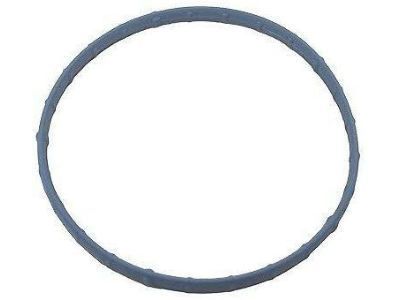

Mercury Intake Manifold Upper Seal Part Number: 3L3Z-9E936-AA
$5.12 MSRP: $7.27You Save: $2.15 (30%)Ships in 1 Business DayProduct Specifications- Other Name: Gasket; Throttle Body Mounting Seal; Throttle Body Gasket
- Position: Upper
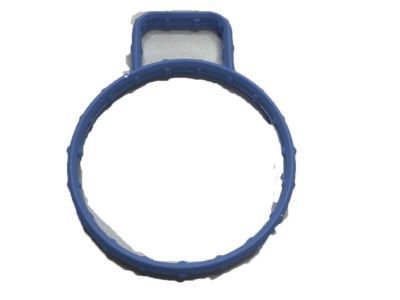
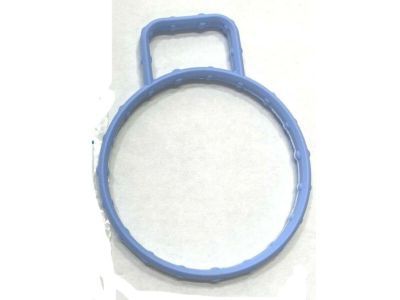
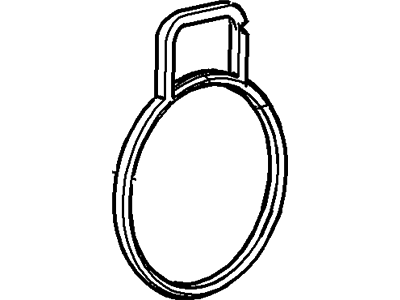
Mercury Gasket Part Number: 3F2Z-9E936-AA
$5.83 MSRP: $8.27You Save: $2.44 (30%)Ships in 1-3 Business DaysProduct Specifications- Other Name: Fuel Injection Throttle Body Mounting Gasket; Throttle Body Seal; Gasket
- Replaces: F68Z-9E936-A
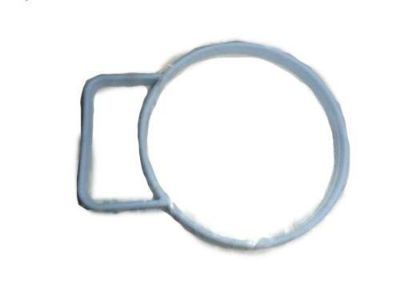

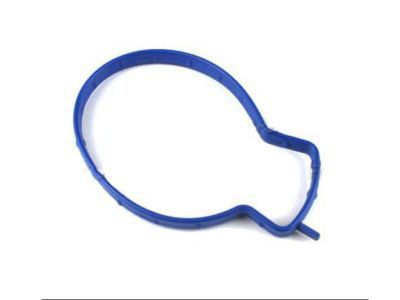
Mercury Intake Manifold Gasket Part Number: YF1Z-9E936-AA
$5.95 MSRP: $8.43You Save: $2.48 (30%)Product Specifications- Other Name: Gasket; Fuel Injection Throttle Body Mounting Gasket; Throttle Body Seal.; Front Seal



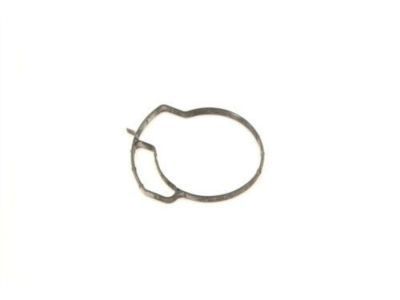
Mercury Gasket Part Number: 5M6Z-9E936-AA
$7.21 MSRP: $10.23You Save: $3.02 (30%)Ships in 1-3 Business DaysProduct Specifications- Other Name: Fuel Injection Throttle Body Mounting Gasket; Throttle Body Seal; Gasket
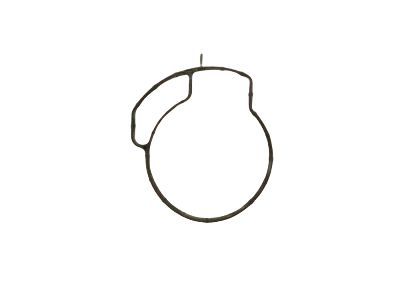
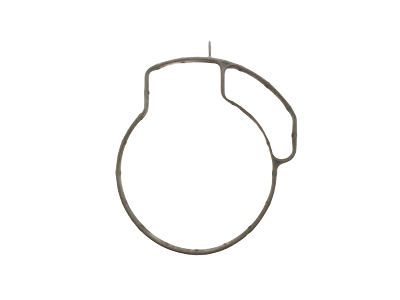
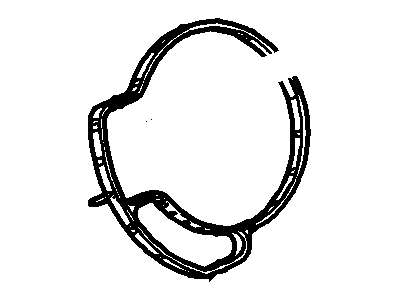
Mercury Gasket Part Number: 4L5Z-9E936-AA
$7.85 MSRP: $11.13You Save: $3.28 (30%)Ships in 1-3 Business DaysProduct Specifications- Other Name: Fuel Injection Throttle Body Mounting Gasket; Throttle Body Seal; Gasket
- Manufacturer Note: PZEV
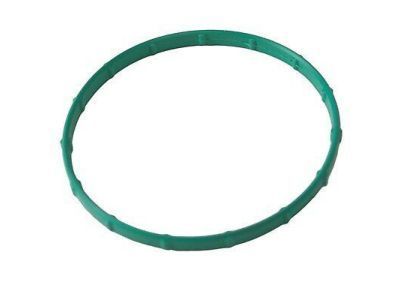
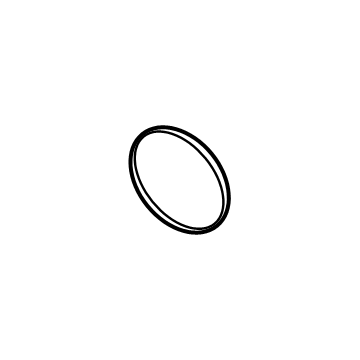
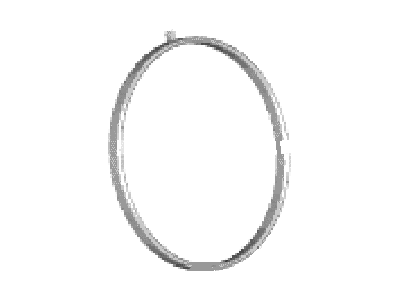
Mercury Intake Manifold Gasket Part Number: 9L8Z-9E936-A
$10.02 MSRP: $14.22You Save: $4.20 (30%)Ships in 1-2 Business DaysProduct Specifications- Other Name: Gasket; Fuel Injection Throttle Body Mounting Seal; Engine Intake Manifold Seal.; Front Seal; Intake Manifold Seal

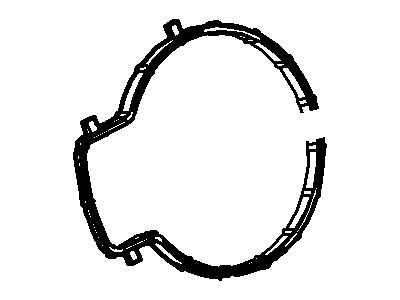
Mercury Gasket Part Number: 8E5Z-9E936-A
$10.69 MSRP: $15.17You Save: $4.48 (30%)Ships in 1-2 Business DaysProduct Specifications- Other Name: Fuel Injection Throttle Body Mounting Gasket; Throttle Body Seal; Gasket

Mercury Gasket Part Number: F67Z-9E936-AA
$4.07 MSRP: $5.77You Save: $1.70 (30%)Ships in 1-3 Business DaysProduct Specifications- Other Name: Throttle Body Mounting Seal; Throttle Body Gasket
- Replaces: F67Z-9E933-AA

Mercury Gasket Part Number: 97JZ-9E936-AA
$34.81 MSRP: $50.67You Save: $15.86 (32%)Ships in 1-2 Business DaysProduct Specifications- Other Name: Fuel Injection Throttle Body Mounting Gasket; Throttle Body Seal; Gasket
- Manufacturer Note: O-ring style gasket, SOHC
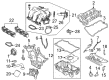
Mercury Gasket Part Number: 6M8Z-9E936-AA
$21.54 MSRP: $31.35You Save: $9.81 (32%)Ships in 1-3 Business DaysProduct Specifications- Other Name: Fuel Injection Throttle Body Mounting Gasket; Throttle Body Seal; Gasket
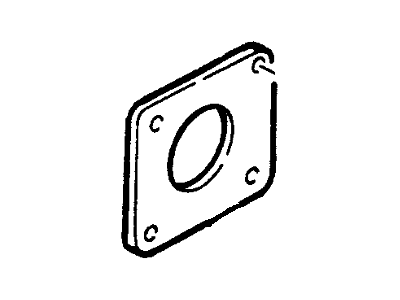
Mercury Gasket Part Number: F4DZ-9E936-B
$3.27 MSRP: $4.63You Save: $1.36 (30%)Ships in 1-3 Business DaysProduct Specifications- Other Name: Fuel Injection Throttle Body Mounting Gasket; Throttle Body Seal; Gasket
- Replaces: E3FZ-9E936-A
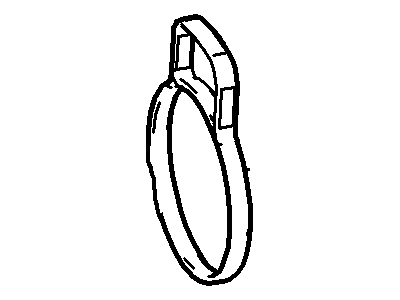
Mercury Gasket Part Number: 1F1Z-9E936-AB
$29.49 MSRP: $41.83You Save: $12.34 (30%)Ships in 1-2 Business DaysProduct Specifications- Other Name: Fuel Injection Throttle Body Mounting Gasket; Throttle Body Seal; Gasket
- Manufacturer Note: Also Serviced In 9424
- Replaces: 1F1Z-9E936-AA

Mercury Manifold Gasket Part Number: XF5Z-9E936-AA
$13.78 MSRP: $18.75You Save: $4.97 (27%)Product Specifications- Other Name: Gasket; Intake Manifold Gasket
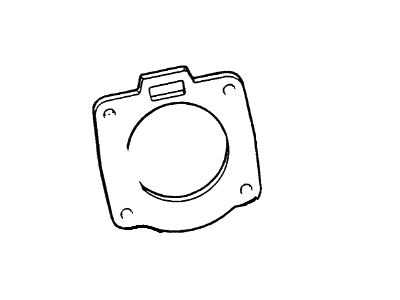
Mercury Gasket Part Number: F5DZ-9E936-AE
$13.78 MSRP: $18.75You Save: $4.97 (27%)Product Specifications- Other Name: Fuel Injection Throttle Body Mounting Gasket; Throttle Body Seal; Gasket
- Manufacturer Note: 4V
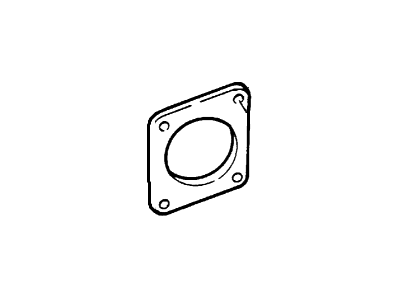
Mercury Manifold Gasket Part Number: F6XZ-9E933-AA
Product Specifications- Other Name: Gasket; Intake Manifold Gasket
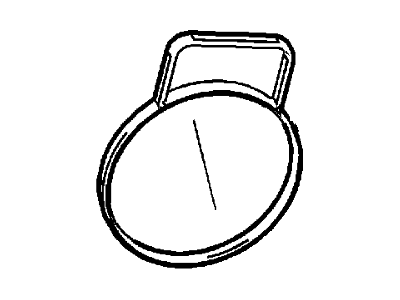
Mercury Gasket Part Number: F6DZ-9E936-C
Product Specifications- Other Name: Fuel Injection Throttle Body Mounting Gasket; Throttle Body Seal; Gasket
- Manufacturer Note: 2v
Mercury Throttle Body Gasket
If you own Mercury and want to keep it in top shape, choosing OEM Throttle Body Gasket is a smart move. They are precisely engineered and follow strict factory standards. They are made in advanced facilities that use cutting edge technology. Each part goes through thorough testing to confirm strength and safety, so you can trust it. FordPartsDeal.com gives you genuine Mercury Throttle Body Gasket at some of the affordable online prices without cutting quality. Every OEM Mercury part includes the manufacturer's warranty, easy returns, and super-fast delivery. So why wait? Shop now and get your vehicle back to peak condition.
Mercury Throttle Body Gasket helps to seal undesired air in the intake pathway and prevents the idle quality of the engine as well as provides every Mercury with a smooth and confident start. Since 1938 Mercury pursued a golden mean between soft ride and crisp design and positioned itself with the agileness of the Roman messenger god. Shoppers admired how well the Mercury cabins quieted on coarse pavement, how Grand Marquis and Cougar cars absorbed the bumps and how the cars were easy to maneuver, and how the luxurious interiors enclosed the passengers in a cozy space. Although the production was terminated in 2011, Mercury continues to be a value with the supple tuning of the suspension, ample legroom, and the style that refuses to die off. The durable Throttle Body Gasket itself consists of a flat seal that is placed between the throttle body and the intake manifold which prevents the passage of unmetered air and closes important vacuum ports. Replacing it in your Mercury is slow, but does not require special equipment. First park, turn off the engine, remove negative battery connection, loosen clamps and slide the intake duct out of position, remove sensors and evenly unbolt throttle body. Removal of the old gasket, scrub Throttle Body Gasket channel with a lint free cloth and a non scratching solvent and install new Throttle Body Gasket squarely mounting it over manifold ports. Connect the throttle body back to the car in a crisscross fashion until it is screwed on tight, reattach hoses and wires, reattach the duct, reconnect the battery, and lastly start the car and listen to the car looking for leaks as the idle settles.