FordParts
My Garage
My Account
Cart
OEM Mercury Fuel Pump Gasket
Fuel Pump Seal- Select Vehicle by Model
- Select Vehicle by VIN
Select Vehicle by Model
orMake
Model
Year
Select Vehicle by VIN
For the most accurate results, select vehicle by your VIN (Vehicle Identification Number).
7 Fuel Pump Gaskets found
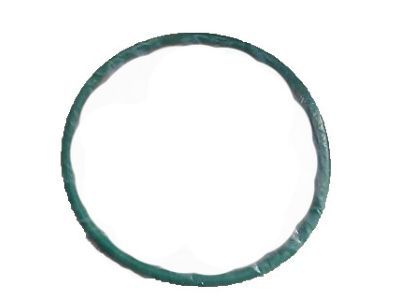
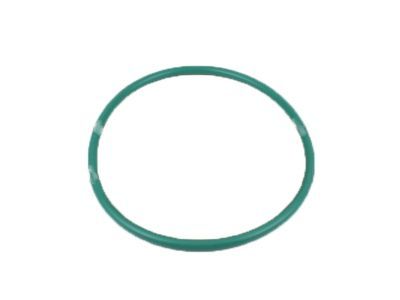

Mercury Fuel Pump Gasket Part Number: 4L3Z-9276-AA
$32.98 MSRP: $52.36You Save: $19.38 (38%)Ships in 1 Business DayProduct Specifications- Other Name: Gasket; Diesel Exhaust Fluid (DEF) Pump O-Ring; Fuel Tank Sending Unit Seal; Fuel Pump Seal
- Manufacturer Note: RH/LH
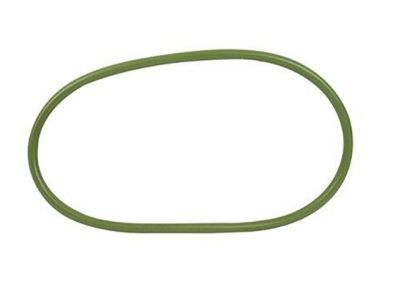

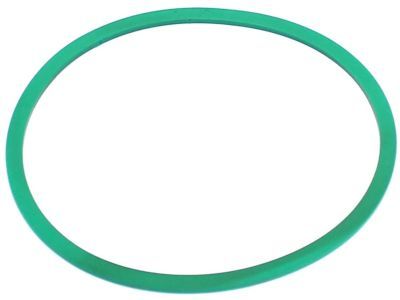
Mercury Sending Unit Gasket Part Number: 3S4Z-9276-AA
$13.60 MSRP: $21.60You Save: $8.00 (38%)Ships in 1-2 Business DaysProduct Specifications- Other Name: Seal; Fuel Tank Sending Unit Gasket; Fuel Pump Tank Seal; Fuel Pump Gasket; Fuel Pump Seal
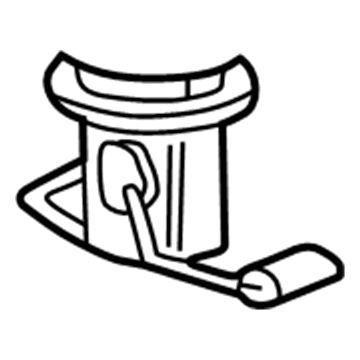
Mercury Sending Unit Gasket, Driver Side Part Number: XW4Z-9276-AA
$14.54 MSRP: $23.09You Save: $8.55 (38%)Ships in 1-2 Business DaysProduct Specifications- Other Name: Gasket; Fuel Pump Tank Seal; Fuel Pump Seal; Fuel Sender Unit Gasket
- Position: Driver Side

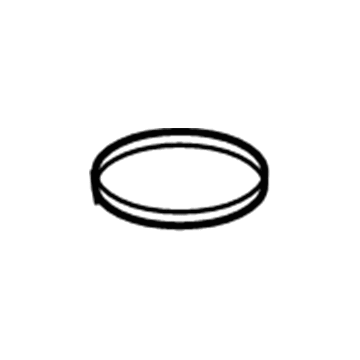
Mercury Fuel Pump Gasket Part Number: 1L2Z-9417-AA
$15.57 MSRP: $24.73You Save: $9.16 (38%)Ships in 1-3 Business DaysProduct Specifications- Other Name: Gasket; Fuel Pump Tank Seal; Fuel Pump Assembly Gasket; Fuel Sender Unit Gasket
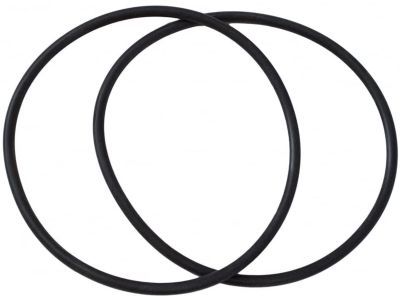

Mercury Fuel Pump Gasket Part Number: F6DZ-9276-A
$12.16 MSRP: $18.82You Save: $6.66 (36%)Ships in 1 Business DayProduct Specifications- Other Name: Seal; Fuel Pump Tank Seal; Fuel Pump Seal
- Replaces: F81Z-9417-BA

Mercury Fuel Pump Gasket Part Number: E1VZ-9417-B
$2.06 MSRP: $3.18You Save: $1.12 (36%)Ships in 1 Business DayProduct Specifications- Other Name: Gasket; Fuel Pump Tank Seal; Sending Unit Gasket; Fuel Pump Assembly Gasket
- Replaces: F7CZ-9417-AA
Mercury Fuel Pump Gasket Part Number: E6DZ-9417-A
Product Specifications- Other Name: Gasket; Fuel Pump Tank Seal; Fuel Pump Seal; Fuel Pump Assembly Gasket; Sending Unit Seal
Mercury Fuel Pump Gasket
If you own Mercury and want to keep it in top shape, choosing OEM Fuel Pump Gasket is a smart move. They are precisely engineered and follow strict factory standards. They are made in advanced facilities that use cutting edge technology. Each part goes through thorough testing to confirm strength and safety, so you can trust it. FordPartsDeal.com gives you genuine Mercury Fuel Pump Gasket at some of the affordable online prices without cutting quality. Every OEM Mercury part includes the manufacturer's warranty, easy returns, and super-fast delivery. So why wait? Shop now and get your vehicle back to peak condition.
Mercury Fuel Pump Gasket forms a close fit that prevents the fuel to spill out and maintains the pressure at a constant level supporting the smooth engine operation. Over the decades of production, Mercury has developed a reputation of having mid sized cars that had a cushioned ride and sharp styling. Mercury cars such as the Cougar and the Grand Marquis had spacious cabins, sophisticated suspension tuning and interiors that were able to dampen the noise of the road providing an easy impression of control to the drivers. The drivers had faith in the marque as being durable and proud of the active use of the unusual waterfall grille, which was the head-turner. The brand was named after the Roman messenger god and never lagged behind in terms of chasing the comfort features and simple technologies to keep up with the bigger luxury brands. Although Mercury has since retired in 2011, its legacy of performance and value balance still impresses its customers and everyday drivers. In order to change the Fuel Pump Gasket on a Mercury, disconnect battery followed by the release of fuel pressure. Wash the pump surrounding. Unbolt and remove, and remove the old Fuel Pump Gasket. Wipe mating surfaces until it shines like metal. Install the new Fuel Pump Gasket, and then install the pump and screw bolts evenly in a crisscross formation. Final tightening by use of torque wrench to prevent warping of the pump body. Reconnect power, reattach lines, prime the system and start the engine and check leaks.