FordParts
My Garage
My Account
Cart
OEM Ford Edge Brake Rotor
Disc Rotor- Select Vehicle by Model
- Select Vehicle by VIN
Select Vehicle by Model
orMake
Model
Year
Select Vehicle by VIN
For the most accurate results, select vehicle by your VIN (Vehicle Identification Number).
11 Brake Rotors found
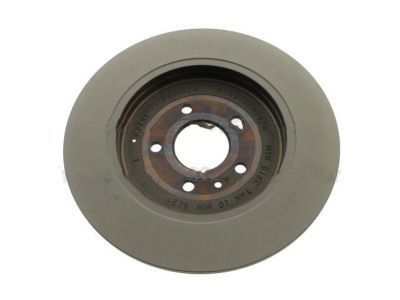
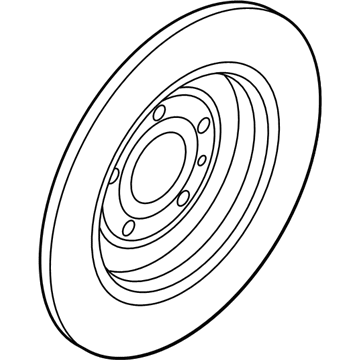
Ford Edge Rotor, Rear Part Number: BT4Z-2C026-B
$34.39 MSRP: $51.50You Save: $17.11 (34%)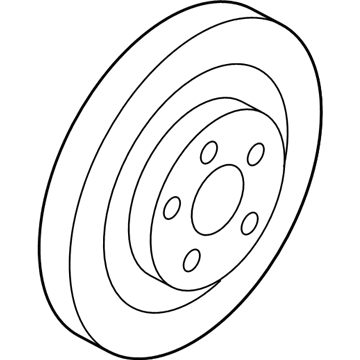
Ford Edge Rotor, Front Part Number: 7U2Z-1V125-EE
$78.88 MSRP: $116.65You Save: $37.77 (33%)Ships in 1-2 Business Days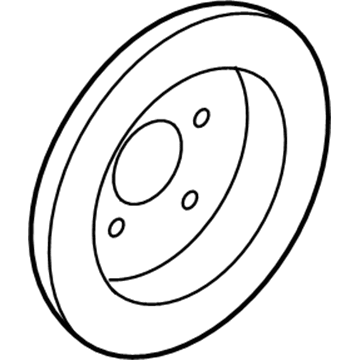
Ford Edge Rotor Part Number: 7U2Z-2V026-FD
$75.80 MSRP: $116.65You Save: $40.85 (36%)Ships in 1-2 Business Days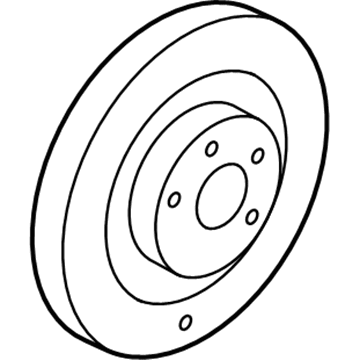
Ford Edge Rotor Part Number: 7U2Z-1V125-E
$75.80 MSRP: $116.65You Save: $40.85 (36%)Ships in 1-2 Business Days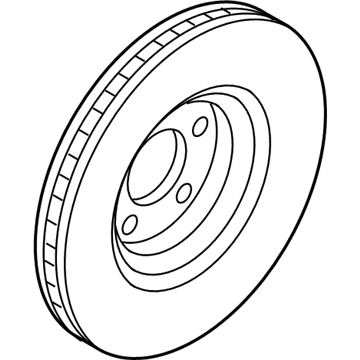
Ford Edge Rotor, Front Part Number: E1GZ-1125-F
$105.86 MSRP: $159.67You Save: $53.81 (34%)Ships in 1 Business Day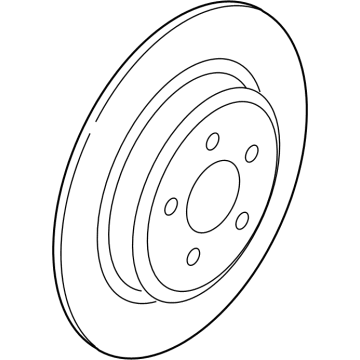
Ford Edge Rotor, Rear Part Number: KS7Z-2C026-A
$97.90 MSRP: $147.67You Save: $49.77 (34%)Ships in 1-2 Business Days
Ford Edge Rotor, Rear Part Number: F2GZ-2C026-AB
$95.38 MSRP: $143.87You Save: $48.49 (34%)Ships in 1-3 Business Days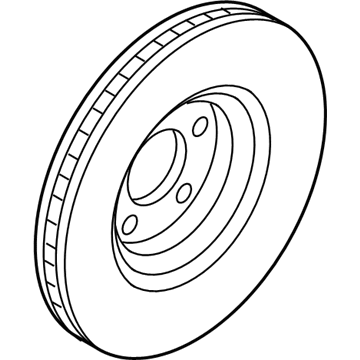
Ford Edge Rotor, Front Part Number: K2GZ-1125-B
$108.98 MSRP: $164.37You Save: $55.39 (34%)Ships in 1 Business Day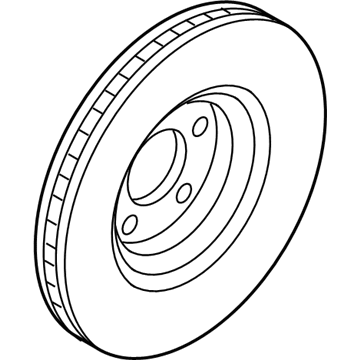
Ford Edge Rotor Part Number: M2GZ-1125-A
$86.19 MSRP: $130.00You Save: $43.81 (34%)Ships in 1-2 Business Days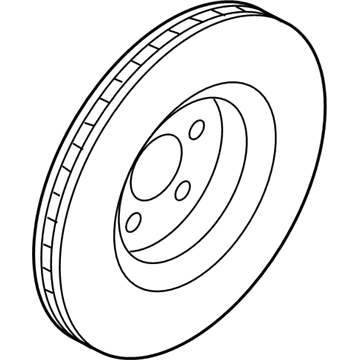
Ford Edge Rotor, Front Part Number: G3GZ-1125-C
$150.34 MSRP: $226.75You Save: $76.41 (34%)Ships in 1-3 Business Days
Ford Edge Rotor Part Number: K2GZ-1125-A
$163.24 MSRP: $246.22You Save: $82.98 (34%)Ships in 1-3 Business Days
Ford Edge Brake Rotor
OEM Brake Rotor boasts unmatched quality. Each part goes through full quality checks. They adhere to Ford's official factory standards. These steps remove flaws and inconsistencies. So you can get Brake Rotor with long life and a perfect fit. Come to our website and find genuine Ford Edge parts. We keep a wide inventory of OEM Edge parts at the highly affordable prices. It's easy to search, compare, and pick what you need. You'll love the clear info and simple checkout. We offer top-rated customer service, and we reply fast. We also ship promptly to ensure your order arrives on time.
Ford Edge Brake Rotor Parts and Q&A
- Q:How to remove and replace the front Brake Rotor on Ford Edge?A:The first step to replace a front brake rotor/disc includes removing the wheel with attached tire. Brake Caliper and anchor plate assemblies should not be suspended from brake hoses since this practice might produce damage. Disconnect the brake caliper anchor plate bolts then place the combined brake caliper and anchor plate assembly to the side with supporting mechanic's wire. Next, remove the brake disc. Begin installation by applying anti-seize only where it is specified to the clean dry brake disc mounting surface and ensure the brake disc stays clear from all foreign objects before you put it in place. Secure the brake caliper anchor plate assembly onto its position before tightening brake caliper anchor plate bolts to 133 Nm (98 ft. lbs). Finishing step involves installing the wheel unit with attached tire.
- Q:How to service the rear Brake Rotor and replace the brake pads on Ford Edge?A:Before servicing the rear disc brake and changing Brake Pads always use brake fluid which fulfills the manufacturer's requirements and refrain from utilizing drained fluid to protect brake components from damage. It is important to install fresh brake components at both wheel positions on an axle to prevent unequal braking performance. The brake master cylinder reservoir requires checking for brake fluid and the fluid needs removal until its level reaches halfway. Detach the Brake Caliper from its position using two guide pin bolts until it is free from the brake components but refrain from poking the caliper sight hole to retract the pistons because such action can cause damage to the brake system. The brake caliper requires support from mechanic's wire to avoid suspension from the brake hose. The required action includes brake pads removal as well as removal of shims together with slide clips before discarding the slide clips. Installation of new brake pads requires a suitable tool with a worn pad to compress the caliper pistons and protect caliper pistons and boots at the same time. Set the new brake pads along with both shims and new slide clips to the brake caliper anchor plate. The installation requires complete boot seating of caliper guide pins and avoidance of brake caliper hose twisting. The brake caliper should be positioned on the anchor plate followed by guide pin bolt installation at 26 Nm (19 lb-ft) torque setting. Restoring the wheel and tire should be followed by filling the brake master cylinder reservoir with clean brake fluid before conducting multiple brake activation tests for correct operation.
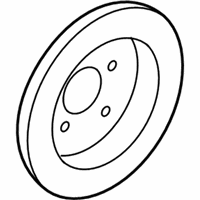
Related Ford Edge Parts
 Ford Edge Brake Pads
 Ford Edge Wheel Bearing
 Ford Edge Wheel Hub
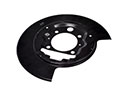 Ford Edge Backing Plate
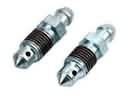 Ford Edge Brake Bleeder Screw
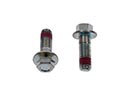 Ford Edge Brake Caliper Bolt
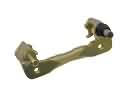 Ford Edge Brake Caliper Bracket
 Ford Edge Brake Caliper Repair Kit
 Ford Edge Brake Fluid Pump
 Ford Edge Brake Line
 Ford Edge Hydraulic Hose
 Ford Edge Parking Brake Cable