FordParts
My Garage
My Account
Cart
OEM Ford Escape Valve Stem Seal
Engine Valve Seal- Select Vehicle by Model
- Select Vehicle by VIN
Select Vehicle by Model
orMake
Model
Year
Select Vehicle by VIN
For the most accurate results, select vehicle by your VIN (Vehicle Identification Number).
7 Valve Stem Seals found
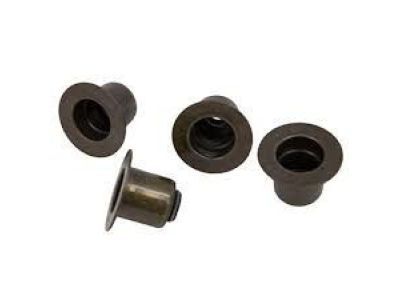
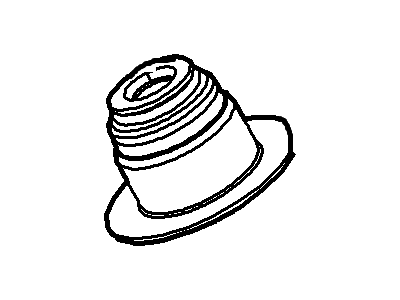
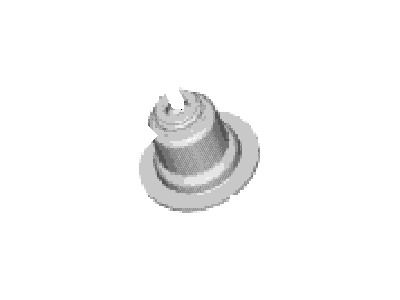
Ford Escape Valve Seals Part Number: F5RZ-6571-B
$1.93 MSRP: $2.73You Save: $0.80 (30%)Ships in 1 Business Day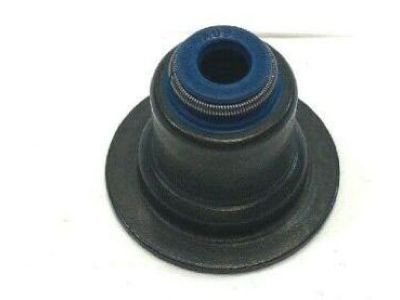
Ford Escape Valve Seals Part Number: BM5Z-6571-A
$2.51 MSRP: $3.57You Save: $1.06 (30%)Ships in 1-3 Business Days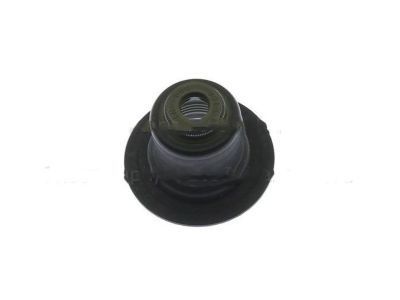
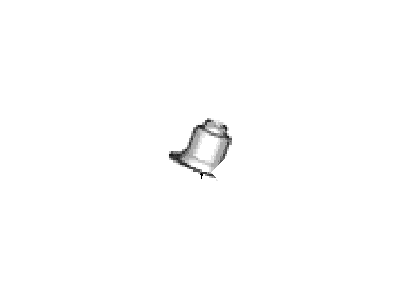
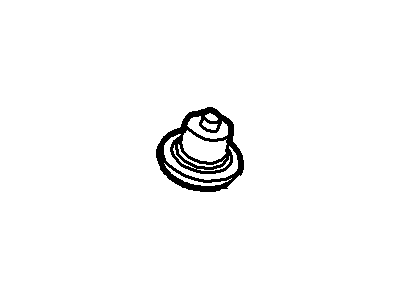
Ford Escape Valve Seals, Green Part Number: 3S4Z-6571-A
$5.03 MSRP: $7.13You Save: $2.10 (30%)Ships in 1-3 Business Days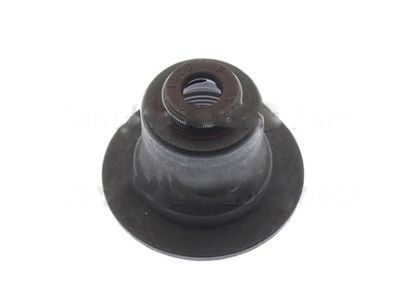
Ford Escape Valve Seals, Brown/Gray Part Number: 1S7Z-6571-A
$5.43 MSRP: $7.70You Save: $2.27 (30%)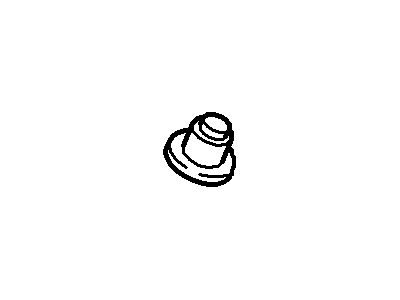
Ford Escape Valve Seals Part Number: YS4Z-6571-CA
$3.68 MSRP: $5.22You Save: $1.54 (30%)
Ford Escape Valve Seals Part Number: P2GZ-6571-A
$4.31 MSRP: $6.12You Save: $1.81 (30%)Ships in 1-2 Business Days
Ford Escape Valve Seals Part Number: HX7Z-6571-B
$9.40 MSRP: $13.33You Save: $3.93 (30%)
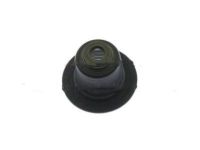
Ford Escape Valve Stem Seal
OEM Valve Stem Seal boasts unmatched quality. Each part goes through full quality checks. They adhere to Ford's official factory standards. These steps remove flaws and inconsistencies. So you can get Valve Stem Seal with long life and a perfect fit. Come to our website and find genuine Ford Escape parts. We keep a wide inventory of OEM Escape parts at the highly affordable prices. It's easy to search, compare, and pick what you need. You'll love the clear info and simple checkout. We offer top-rated customer service, and we reply fast. We also ship promptly to ensure your order arrives on time.
Ford Escape Valve Stem Seal Parts and Q&A
- Q:How to Service and Repair Valve Stem Seals on Ford Escape?A:The repair and service of the valve guide seals starts with proper cleanliness to stop foreign substances from entering oil or coolant channels that result in complete engine breakdown. The service requires positioning the vehicle on a hoist and setting the vehicle neutral while removing Camshafts. When using existing camshafts and valve tappets, mark original locations because the numerical code behind the decimal point indicates the precise size (example: 0.650 shows 3.650 millimeters of dimension). The compressed air supply at 7-10 bars (100-150 psi) must be connected to cylinder No.1 Spark Plug holes until the valve spring retainer installation to protect the valve from entering the cylinder. Compressed air should be applied to the cylinder before using Valve Spring Compressors to squeeze the valve spring while removing the valve collet with a small screwdriver and multi-purpose grease. The valve spring retainer and spring should then be installed. The Valve Stem Oil Seal Remover partnered with the Slide Hammer allows the technician to remove the current valve stem seal before disposing of it. Begin by placing the valve stem seal installation sleeve before using the Valve Stem Oil Seal Installer to install the new valve stem seal while checking the proper positioning of the valve collet. The valve spring must be reinstated using the Valve Spring Compressors before valve spring retainer and collet installation with required applications of multi-purpose grease. After disconnecting compressed air supply, continue the removal and installation actions for the other cylinders. Place clean engine oil on valve tappets followed by reinstallation of the camshafts.
Related Ford Escape Parts
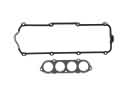 Ford Escape Valve Cover Gasket
 Ford Escape Cylinder Head
 Ford Escape Oil Drain Plug
 Ford Escape Oil Pan
 Ford Escape Crankshaft
 Ford Escape Crankshaft Seal
 Ford Escape Crankshaft Thrust Washer
 Ford Escape Cylinder Head Gasket
 Ford Escape Engine Oil Cooler
 Ford Escape Oil Filler Cap
 Ford Escape Piston
 Ford Escape Timing Chain Guide