FordParts
My Garage
My Account
Cart
OEM Ford Escort Battery Cable
Car Battery Cable- Select Vehicle by Model
- Select Vehicle by VIN
Select Vehicle by Model
orMake
Model
Year
Select Vehicle by VIN
For the most accurate results, select vehicle by your VIN (Vehicle Identification Number).
2 Battery Cables found
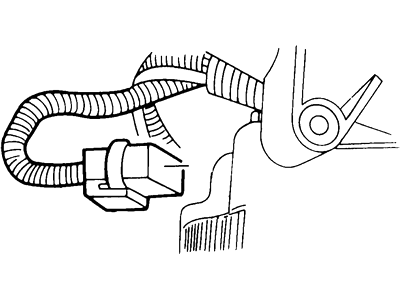
Ford Escort Battery Cable Part Number: F8CZ-14305-BA
Ford Escort Battery Cable Part Number: F8CZ-14305-AA
Ford Escort Battery Cable
OEM Battery Cable boasts unmatched quality. Each part goes through full quality checks. They adhere to Ford's official factory standards. These steps remove flaws and inconsistencies. So you can get Battery Cable with long life and a perfect fit. Come to our website and find genuine Ford Escort parts. We keep a wide inventory of OEM Escort parts at the highly affordable prices. It's easy to search, compare, and pick what you need. You'll love the clear info and simple checkout. We offer top-rated customer service, and we reply fast. We also ship promptly to ensure your order arrives on time.
Ford Escort Battery Cable provides constant current to ensure the nimble compact starts up immediately and every part hums along on daily drives. Celebrated for agility and efficiency, the Ford Escort made its way into driveways through nineteen years of smart evolution, introducing a lively 1.6 liter CVH engine then providing a torque-rich 2.0 liter diesel for the thrifty commuter. Engineers then paired these motors with three speed automatics before going with a crisp five speed manual that increased fun and fuel numbers, making the Escort a versatile choice for users and families alike. Riding on an updated Mazda B platform, the second generation saw the introduction of a 3 door hatchback, 4 door sedan and 5 door wagon each tuned with sharper suspension for confident cornering. Later, a low slung coupe made it sporty, while continual interior modifications and safety improvements demonstrated that Ford was listening to their owners, and indeed, genuine Ford components maintain that reliability today. Within that catalog, the Battery Cable is a distinct thick conductor with paired positive and negative leads that distributes power from the battery to starter, alternator and chassis ground where Escort electrical health never falters. A frayed Battery Cable begs for voltage drop so change your cable when it shows the first signs of corrosion or hard starting. For installation of the Battery Cable, for safe parking, cut ignition, unhook negative then positive terminals, remove old line, clean posts to bright metal, route new lead clear of heat, tighten connections, reconnect positive then negative and check for strong crank.