FordParts
My Garage
My Account
Cart
OEM Ford Escort Drive Shaft
Axle Shaft- Select Vehicle by Model
- Select Vehicle by VIN
Select Vehicle by Model
orMake
Model
Year
Select Vehicle by VIN
For the most accurate results, select vehicle by your VIN (Vehicle Identification Number).
1 Drive Shaft found

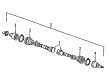
Ford Escort Axle Assembly, Driver Side Part Number: F8CZ-3B437-AB
Ford Escort Drive Shaft
OEM Drive Shaft boasts unmatched quality. Each part goes through full quality checks. They adhere to Ford's official factory standards. These steps remove flaws and inconsistencies. So you can get Drive Shaft with long life and a perfect fit. Come to our website and find genuine Ford Escort parts. We keep a wide inventory of OEM Escort parts at the highly affordable prices. It's easy to search, compare, and pick what you need. You'll love the clear info and simple checkout. We offer top-rated customer service, and we reply fast. We also ship promptly to ensure your order arrives on time.
In order to provide the small icon with the responsive feel drivers desire, the Ford Escort Drive Shaft directs engine torque to the wheels in a smooth manner. The Ford Escort has received accolades as a perfect combination of efficiency and fun through nineteen years of production, with the original engine of the car, the 1.6L CVH, and the subsequent and improved 2.0L diesel, which did not harm the mileage but only increased the performance of the car. The first generation owners had the choice of a 3-speed automatic or a 5-speed manual that stiffened throttle response and extended fuel economy, but subsequent generations of the Ford Escort were based on a revised Mazda B platform that supported a hatchback, sedan, and station wagon body and had updated suspension geometry that softened bumps and retained sharp handling. Sporty coupe, enhanced interior, and safer lighting were introduced by Ford designers as part of a consistent march that has transformed the compact car into a reliable companion of first-time drivers and commuters alike. That reputation is maintained when mechanics install a genuine Escort Drive Shaft, a tubular steel connection with either CV or universal joints to absorb the travel of the suspension and maintain constant flow of power. The component attaches the transmission to the differential, twisting loads are resisted, and vibration is minimized, protecting other parts of the drive line. Installation of a new Drive Shaft requires securing the vehicle, marking the orientation, unbolting the old unit, matching the new component with the marks, beginning to attach the fasteners by hand followed by torque to specifications, ensuring that the Drive Shaft turns freely, and then a short road test to smooth out.
Related Ford Escort Parts
 Ford Escort Automatic Transmission Filter
 Ford Escort Automatic Transmission Shifter
 Ford Escort Clutch Disc
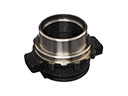 Ford Escort Clutch Release Bearing
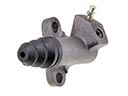 Ford Escort Clutch Slave Cylinder
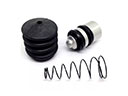 Ford Escort Clutch Slave Repair Kit
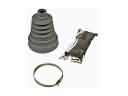 Ford Escort CV Boot
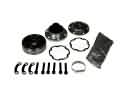 Ford Escort CV Joint
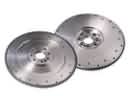 Ford Escort Flywheel
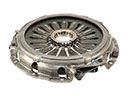 Ford Escort Pressure Plate
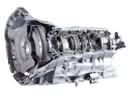 Ford Escort Transmission Assembly
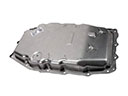 Ford Escort Transmission Pan