FordParts
My Garage
My Account
Cart
OEM Ford F-150 Heritage Clutch Master Cylinder
- Select Vehicle by Model
- Select Vehicle by VIN
Select Vehicle by Model
orMake
Model
Year
Select Vehicle by VIN
For the most accurate results, select vehicle by your VIN (Vehicle Identification Number).
1 Clutch Master Cylinder found
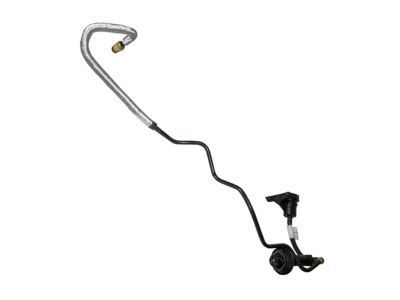
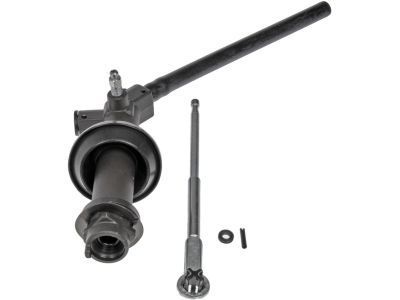
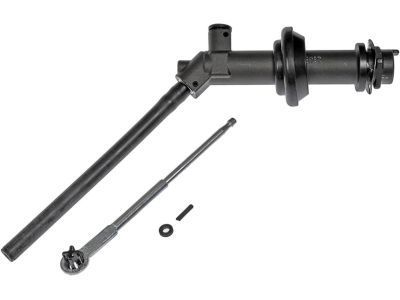
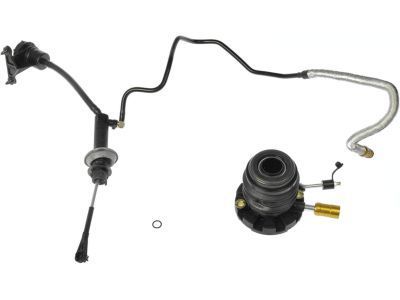
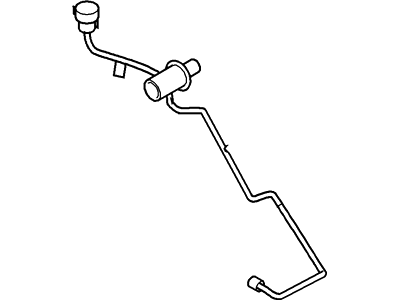

Ford F-150 Heritage Master Cylinder Part Number: 6L3Z-7A543-AA
Ford F-150 Heritage Clutch Master Cylinder
OEM Clutch Master Cylinder boasts unmatched quality. Each part goes through full quality checks. They adhere to Ford's official factory standards. These steps remove flaws and inconsistencies. So you can get Clutch Master Cylinder with long life and a perfect fit. Come to our website and find genuine Ford F-150 Heritage parts. We keep a wide inventory of OEM F-150 Heritage parts at the highly affordable prices. It's easy to search, compare, and pick what you need. You'll love the clear info and simple checkout. We offer top-rated customer service, and we reply fast. We also ship promptly to ensure your order arrives on time.
Ford F-150 Heritage Clutch Master Cylinder Parts and Q&A
- Q:How to service and repair the clutch master cylinder on Ford F-150 Heritage?A:The bench bleeding operation requires you to detach vehicle tubing before starting service and repair work on the clutch master cylinder. Disconnect the push rod from clutch and brake pedal pivot shaft lever while you also disconnect the Clutch Pedal Position Switch (CPP). The vehicle shifting process should be prevented during servicing by turning off the right-hand kick panel area switch to cut power to the air suspension system and removing all pushpins. Lift the vehicle then detach the clutch hydraulic line off the slave cylinder prior to lowering down the vehicle. To proceed with replacement you should twist the clutch master cylinder reservoir and clutch master cylinder in a clockwise direction by 45 degrees. The rubber parts must be cleaned with Ford High Performance DOT 3 Motor Vehicle Brake Fluid C6AZ-19542-AB which has equivalent specifications defined as ESA-M6C25-A and the clutch master cylinder requires inspection for weak spring problems along with reservoir component damage and cup damages and piston scoring. During assembly let the clutch master cylinder reservoir rest inside a vise while filling it to maximum level with identical brake fluid. During the bleeding process ensure that the Clutch Slave Cylinder end of the tube points to waste while keeping the reservoir at full capacity to stop master cylinder air intrusion. When bleeding the master cylinder allow a solid stream of brake fluid to come through the quick connect coupling end of the tube while you open the internal part of the male quick connect coupling and fully push down and hold the push rod. Open the quick end connector internal mechanism and push rod before installing the clutch master cylinder by rotating it in a counterclockwise direction at 45 degrees. Put the pushpins into place then connect the clutch pedal position switch and the clutch master cylinder push rod and retainer bushing. Confirm that the air suspension system has no electrical power applied when you lift and stabilize the vehicle for maintenance tasks. Attach the clutch hydraulic line to the transmission before lowering the vehicle and enabling air suspension (if present) to accomplish clutch hydraulic system bleeding.
Related Ford F-150 Heritage Parts
 Ford F-150 Heritage Automatic Transmission Filter
 Ford F-150 Heritage Automatic Transmission Seal
 Ford F-150 Heritage Clutch Disc
 Ford F-150 Heritage Clutch Hose
 Ford F-150 Heritage Clutch Slave Cylinder
 Ford F-150 Heritage Clutch Slave Repair Kit
 Ford F-150 Heritage Flywheel
 Ford F-150 Heritage Pilot Bearing
 Ford F-150 Heritage Torque Converter
 Ford F-150 Heritage Transfer Case
 Ford F-150 Heritage Transfer Case Seal
 Ford F-150 Heritage Transmission Assembly