FordParts
My Garage
My Account
Cart
OEM Ford Ranger Fuel Pressure Regulator
Fuel Tank Pressure Regulator- Select Vehicle by Model
- Select Vehicle by VIN
Select Vehicle by Model
orMake
Model
Year
Select Vehicle by VIN
For the most accurate results, select vehicle by your VIN (Vehicle Identification Number).
5 Fuel Pressure Regulators found
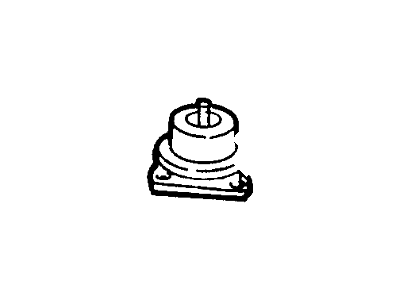
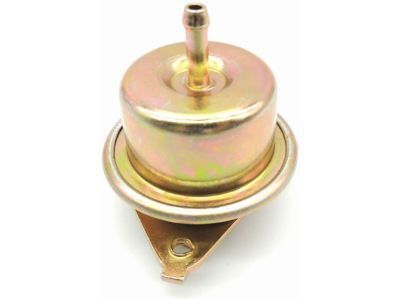
Ford Ranger Regulator - Fuel Pressure Part Number: PU7Z-9C968-C
$49.28 MSRP: $81.09You Save: $31.81 (40%)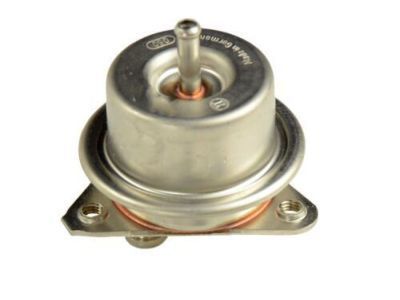
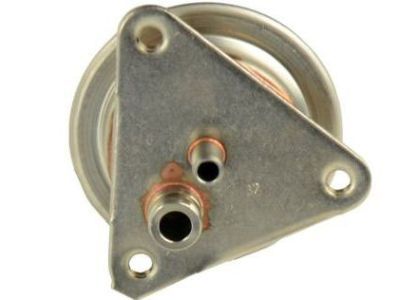
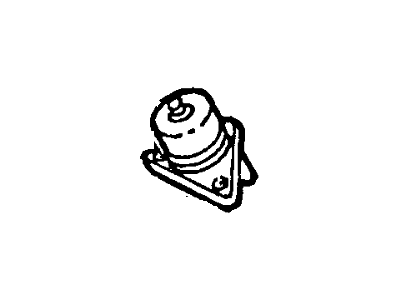
Ford Ranger Fuel Pressure Regulator Part Number: F4CZ-9C968-A
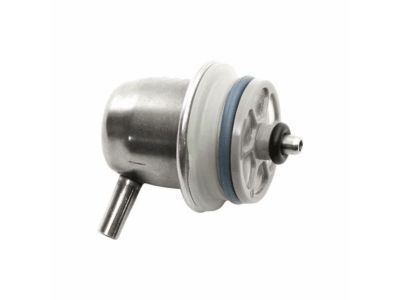
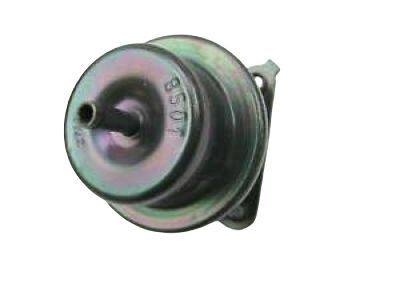
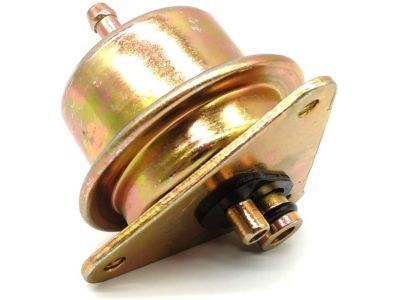
Ford Ranger Fuel Pressure Regulator Part Number: E7FZ-9C968-A
Ford Ranger Fuel Pressure Regulator Part Number: FOTZ-9C968-A
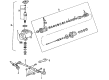
Ford Ranger Fuel Pressure Regulator Part Number: F1TZ-9C968-A
Ford Ranger Fuel Pressure Regulator
OEM Fuel Pressure Regulator boasts unmatched quality. Each part goes through full quality checks. They adhere to Ford's official factory standards. These steps remove flaws and inconsistencies. So you can get Fuel Pressure Regulator with long life and a perfect fit. Come to our website and find genuine Ford Ranger parts. We keep a wide inventory of OEM Ranger parts at the highly affordable prices. It's easy to search, compare, and pick what you need. You'll love the clear info and simple checkout. We offer top-rated customer service, and we reply fast. We also ship promptly to ensure your order arrives on time.
Ford Ranger Fuel Pressure Regulator is placed in the center of a truck designed to be your all-time fun vehicle. Ford Ranger offers a sure performance through the turbocharged engine, fast shifting ten speed automatic, and balance suspension that ensures the ride is stable on either the city streets or in the rocky paths. Lightweight and tough engineering allows the Ford Ranger to haul significant loads and pull weekend toys and still drink ethically, and a range of safety technology can ensure that young drivers stay relaxed in the cab. There is also smart infotainment, ample seating, and rough materials inside so that every journey is comfortable whether on a daily commute or on a cross country journey. The Fuel Pressure Regulator is a depended component by the owners of their Ford pickup to ensure that that spirited motor is not skid rowing. The Fuel Pressure Regulator is a spring loaded diaphragm-based low-pressure rail sensor inside every Ranger that bypasses excess supply of additional gasoline to the tank so the injectors can get constant flow to enhance clean throttle response, reduced emissions and cold starts. Having a properly adjusted Fuel Pressure Regulator will help avoid difficult starting, misfiring and wastage of fuel, save money and environment. Changing Fuel Pressure Regulator in a Ford Ranger is not very hard, release the pressure out of the system, disconnect the battery, take off the old one with the O-ring, lubricate the new part, screw up the pieces, reconnect the lines, start the pump and look at leaks.
Related Ford Ranger Parts
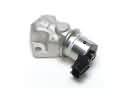 Ford Ranger Idle Control Valve
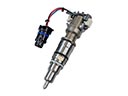 Ford Ranger Fuel Injector
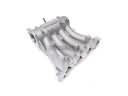 Ford Ranger Intake Manifold
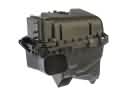 Ford Ranger Air Filter Box
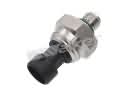 Ford Ranger Fuel Pressure Sensor
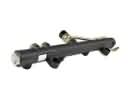 Ford Ranger Fuel Rail
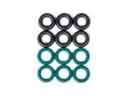 Ford Ranger Fuel Injector O-Rings
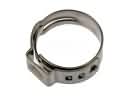 Ford Ranger Fuel Line Clamps
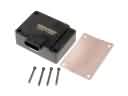 Ford Ranger Fuel Pump Driver Module
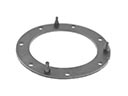 Ford Ranger Fuel Pump Gasket
 Ford Ranger Fuel Pump Tank Seal
 Ford Ranger Fuel Tank Strap