FordParts
My Garage
My Account
Cart
OEM Lincoln Coolant Reservoir Cap
Coolant Overflow Reservoir Cap- Select Vehicle by Model
- Select Vehicle by VIN
Select Vehicle by Model
orMake
Model
Year
Select Vehicle by VIN
For the most accurate results, select vehicle by your VIN (Vehicle Identification Number).
4 Coolant Reservoir Caps found
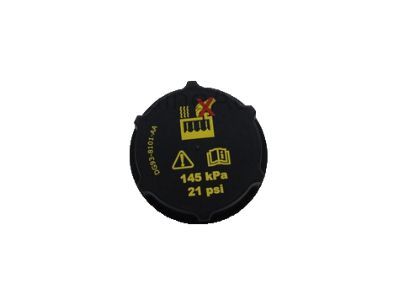
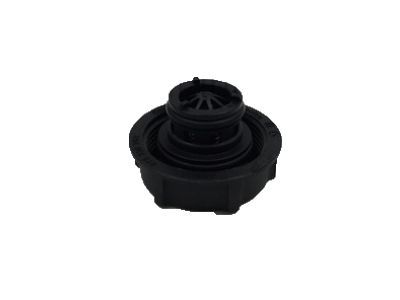
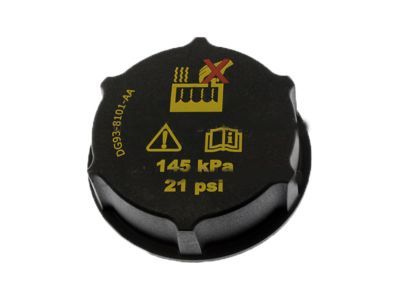
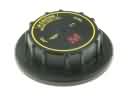
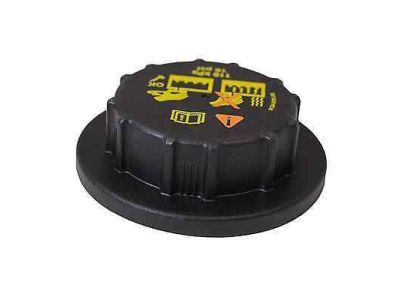
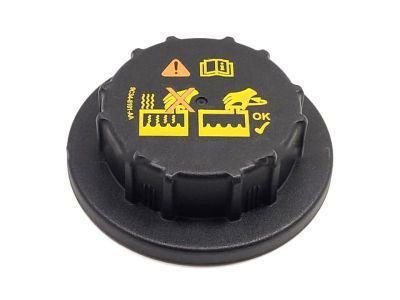
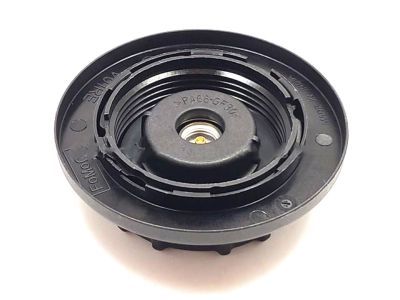
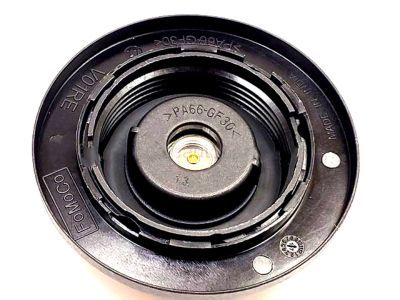
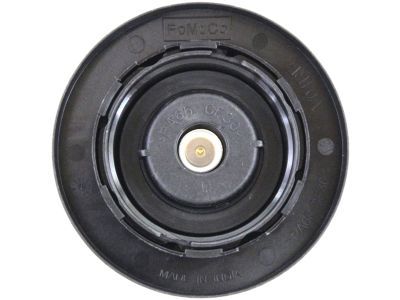
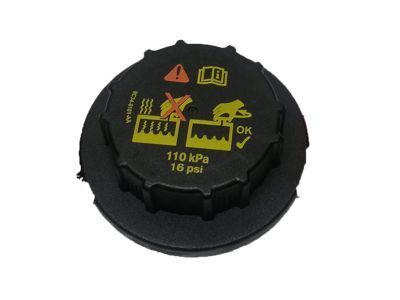
Lincoln Radiator Cap, Upper Part Number: DG9Z-8100-A
$19.05 MSRP: $30.73You Save: $11.68 (39%)Ships in 1 Business DayProduct Specifications- Other Name: Cap Assembly - Radiator; Drive Motor Inverter Coolant Reservoir Cap; Engine Coolant Reservoir Cap, Upper.; Reservoir Cap; Cap; Cap - Fuel Pressure Regulator
- Manufacturer Note: Clamps Not Included. Use Standard Worm Clamps For Service
- Position: Upper
- Replaces: BE8Z-8100-A, RS-530
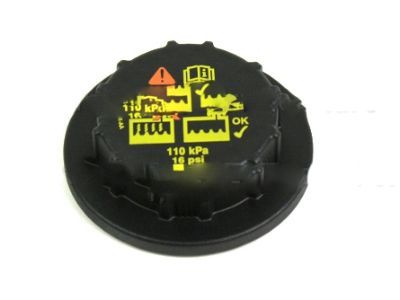
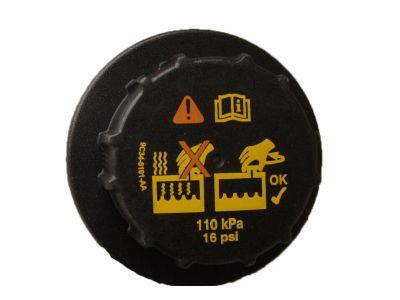
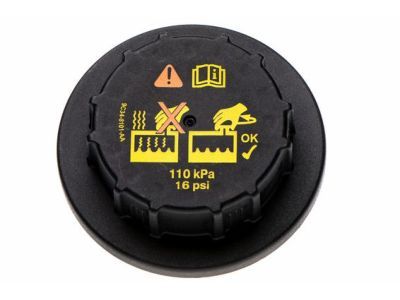
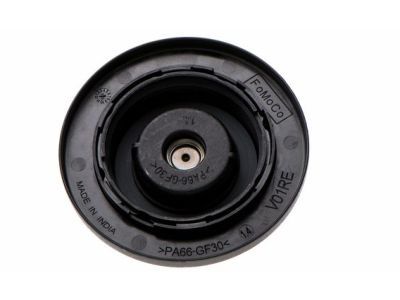
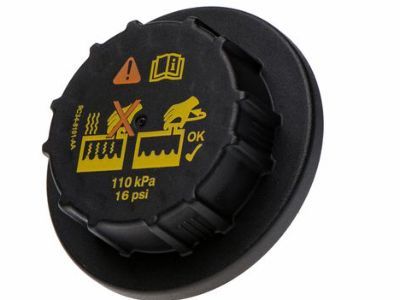
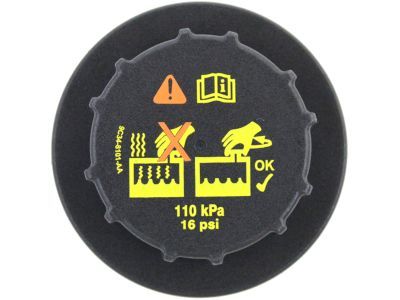

Lincoln Radiator Cap Part Number: 9C3Z-8101-B
$7.37 MSRP: $11.71You Save: $4.34 (38%)Product Specifications- Other Name: Cap - Radiator - With Pressure Relief; Engine Coolant Reservoir Cap
- Replaces: 8C3Z-8101-A, 9C3Z-8101-A, F3LY-8100-A, F6ZZ-8100-A, RS-517, RS-103, XL3Z-8100-AA
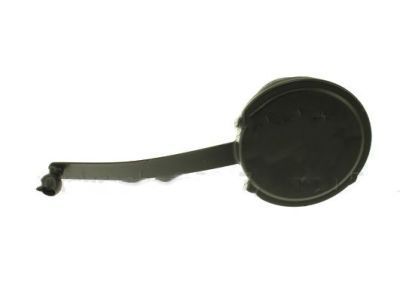

Lincoln Reservoir Cap Part Number: 9L3Z-8K103-A
$24.77 MSRP: $35.13You Save: $10.36 (30%)Ships in 1-2 Business DaysProduct Specifications- Other Name: Cap; Engine Coolant Reservoir Cap
- Manufacturer Note: Less SVT
- Replaces: 6L2Z-8K103-AA
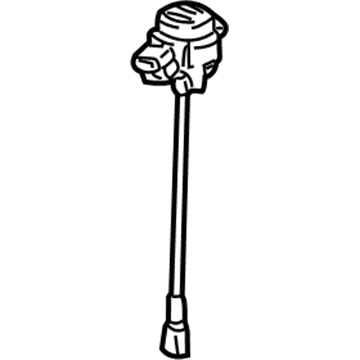
Lincoln Reservoir Cap Part Number: E4FZ-8K103-A
Product Specifications- Other Name: Cap
Lincoln Coolant Reservoir Cap
If you own Lincoln and want to keep it in top shape, choosing OEM Coolant Reservoir Cap is a smart move. They are precisely engineered and follow strict factory standards. They are made in advanced facilities that use cutting edge technology. Each part goes through thorough testing to confirm strength and safety, so you can trust it. FordPartsDeal.com gives you genuine Lincoln Coolant Reservoir Cap at some of the affordable online prices without cutting quality. Every OEM Lincoln part includes the manufacturer's warranty, easy returns, and super-fast delivery. So why wait? Shop now and get your vehicle back to peak condition.
The Lincoln Coolant Reservoir Cap closes the expansion tank and your luxury car will maintain the optimum temperature without leaks and without loss of pressure. Lincoln applies its Quiet Flight model to provide passengers with quiet cabins, screens, seats and lighting, as well as Co-Pilot360 products that watch lanes, raise high beams, provide warnings of blind spots and even assist in parking. Lincoln has also got the ActiveGlide which can be applied to cruise hands free over the highway but provide updates on features which keep the features current. Innovation has been pursued by Lincoln since 1917, and every stitch in an interior and every tune in a suspension is developed through the feedback loop with the owners to develop a relaxing but alert drive. Proprietors boast of the motors and entertainment systems. The warranty and support team will be an added delight and owning a Lincoln will be special. A Coolant Reservoir Cap can be looked at as a small part but this is the part of pressure that maintains the sealing of the cooling system, the expansion and recovery of the fluid and protects the engine against overheating. A new Coolant Reservoir Cap can be installed at home. Wait until the engine cools down. Cover the old cap with a rag, squeeze and twist off. Wipe filler neck, compare the new cap and align all the tabs, press down and twist until it clips, firmly in place. Add the refill coolant to the indicated mark then start the engine and observe drips or warning lights to ensure that the Coolant Reservoir Cap is in place. Lastly turn the car off and idle it then inspect the cap when cool.