FordParts
My Garage
My Account
Cart
OEM Lincoln Spool Valve
VTEC Solenoid- Select Vehicle by Model
- Select Vehicle by VIN
Select Vehicle by Model
orMake
Model
Year
Select Vehicle by VIN
For the most accurate results, select vehicle by your VIN (Vehicle Identification Number).
13 Spool Valves found
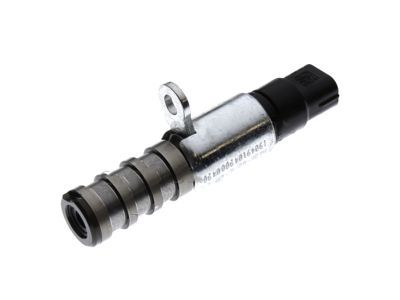
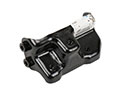
Lincoln Control Valve Solenoid Part Number: HL3Z-6M280-A
$33.19 MSRP: $47.08You Save: $13.89 (30%)Ships in 1 Business DayProduct Specifications- Other Name: Solenoid - Engine Variable Timing; Variable Timing Oil Control Valve; Camshaft Adjuster Magnet; Variable Timing Solenoid; Solenoid
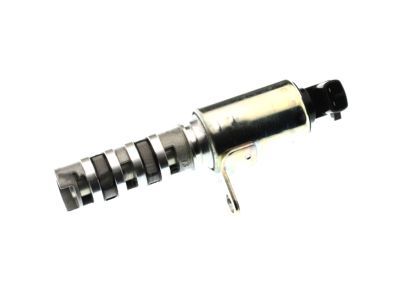
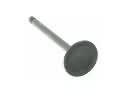
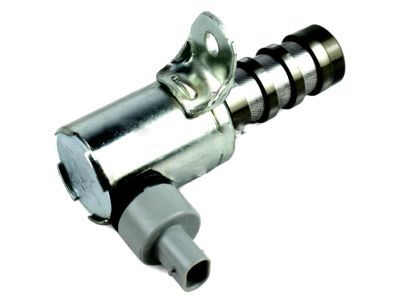
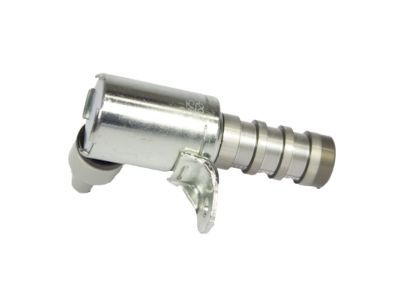
Lincoln Control Valve Solenoid Part Number: 7T4Z-6M280-C
$58.05 MSRP: $84.50You Save: $26.45 (32%)Ships in 1 Business DayProduct Specifications- Other Name: Solenoid - Engine Variable Timing; VVT Oil Control Valve; Camshaft Adjuster Magnet; Timing Solenoid.; Solenoid
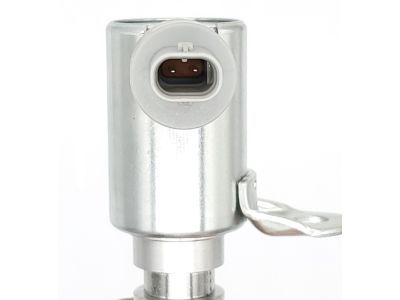
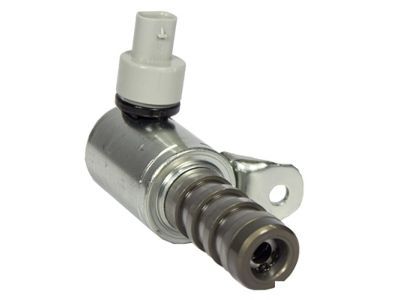
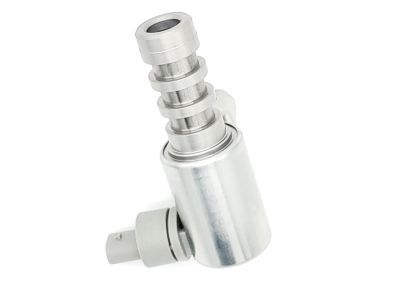
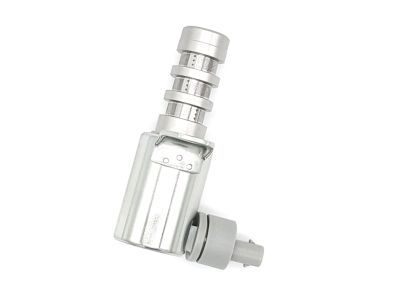
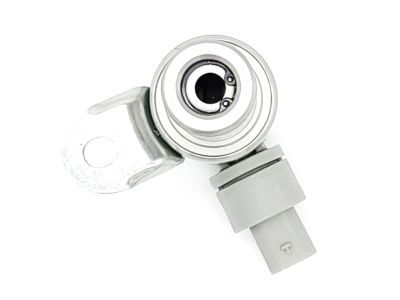
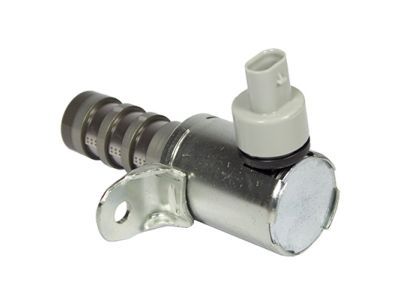
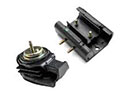
Lincoln Control Valve Solenoid Part Number: AT4Z-6M280-B
$60.80 MSRP: $88.50You Save: $27.70 (32%)Ships in 1 Business DayProduct Specifications- Other Name: Solenoid - Engine Variable Timing; VVT Oil Control Valve; Camshaft Adjuster Magnet; Timing Solenoid.; Solenoid
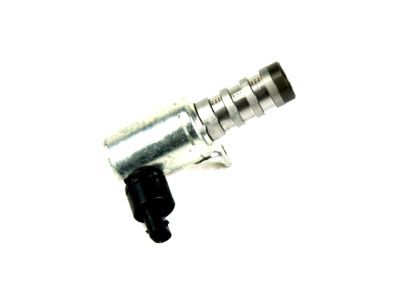
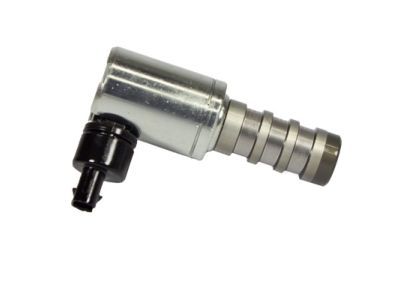
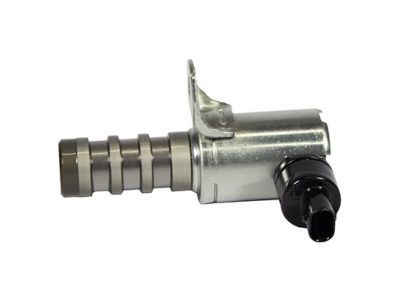
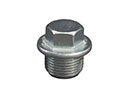
Lincoln Control Valve Solenoid, Black Part Number: AT4Z-6M280-A
$67.44 MSRP: $98.17You Save: $30.73 (32%)Ships in 1 Business DayProduct Specifications- Other Name: Solenoid - Engine Variable Timing; VVT Oil Control Valve; Camshaft Adjuster Magnet; Timing Solenoid.; Solenoid
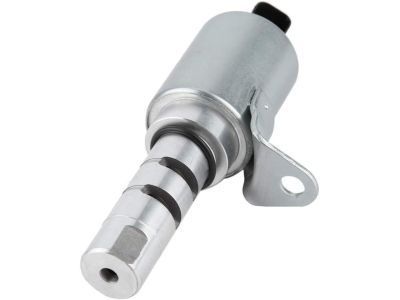
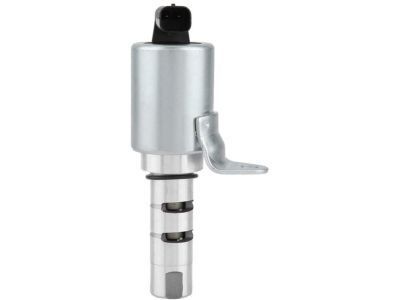
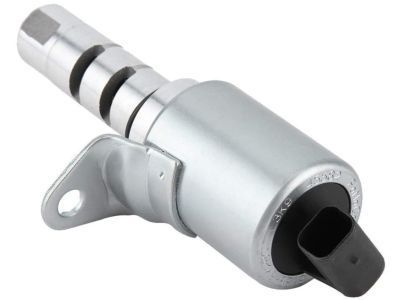
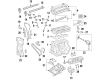
Lincoln Control Valve Solenoid Part Number: 6M8Z-6M280-AA
$80.26 MSRP: $116.83You Save: $36.57 (32%)Ships in 1-3 Business DaysProduct Specifications- Other Name: Solenoid - Engine Variable Timing; VVT Oil Control Valve; Camshaft Adjuster Magnet; Timing Solenoid.
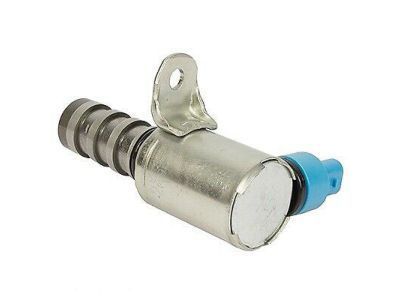
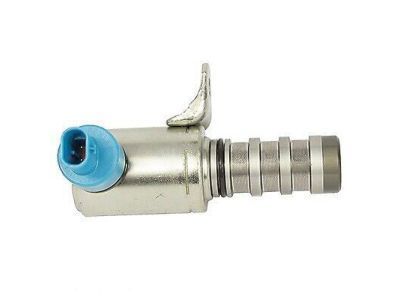
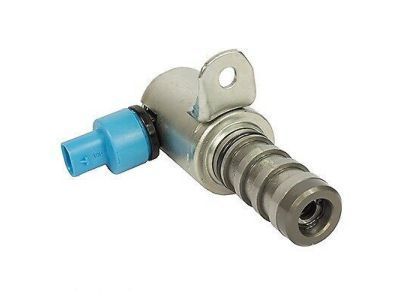

Lincoln Control Valve Solenoid, Blue, Passenger Side Part Number: AT4Z-6M280-C
$49.51 MSRP: $70.83You Save: $21.32 (31%)Ships in 1-2 Business DaysProduct Specifications- Other Name: Solenoid - Engine Variable Timing; VVT Oil Control Valve; Camshaft Adjuster Magnet; Timing Solenoid.; Solenoid
- Position: Passenger Side
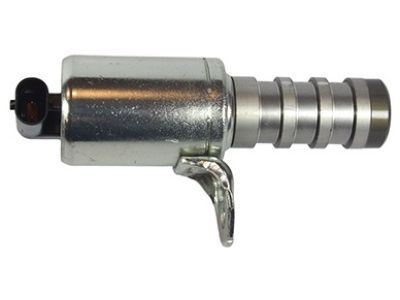
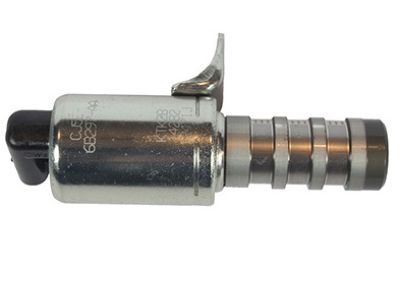
Lincoln Control Valve Solenoid Part Number: CJ5Z-6M280-A
$31.84 MSRP: $45.17You Save: $13.33 (30%)Ships in 1-2 Business DaysProduct Specifications- Other Name: Solenoid - Engine Variable Timing; VVT Solenoid; Variable Timing Oil Control Valve; Camshaft Adjuster Magnet.; Solenoid

Lincoln Control Valve Solenoid Part Number: FT4Z-6M280-B
$70.65 MSRP: $102.83You Save: $32.18 (32%)Product Specifications- Other Name: Solenoid - Engine Variable Timing; VVT Oil Control Valve; Camshaft Adjuster Magnet.; Solenoid
- Replaced by: FT4Z-6M280-C
- Replaces: FT4Z-6M280-A

Lincoln Solenoid Part Number: P2GZ-6M280-A
$55.17 MSRP: $80.30You Save: $25.13 (32%)Ships in 1-2 Business DaysProduct Specifications- Other Name: Solenoid - Engine Variable Timing
Lincoln Control Valve Solenoid Part Number: KX6Z-6M280-A
$62.22 MSRP: $90.57You Save: $28.35 (32%)Ships in 1-3 Business DaysProduct Specifications- Other Name: Solenoid - Engine Variable Timing; Variable Timing Oil Control Valve; Camshaft Adjuster Magnet; Variable Timing Solenoid; Solenoid
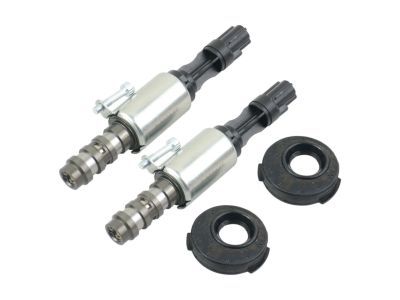
Lincoln Valve Assembly Part Number: PZ1Z-6C570-A
$66.98 MSRP: $97.50You Save: $30.52 (32%)Ships in 1-2 Business DaysProduct Specifications- Other Name: VALVE ASY
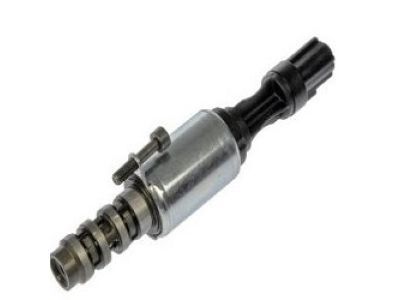
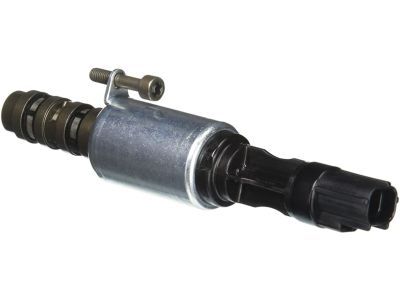
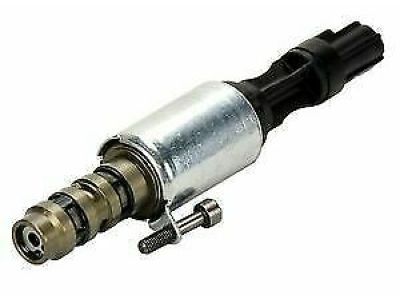
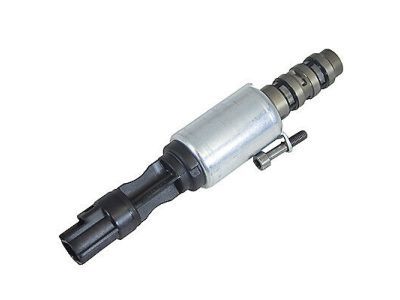
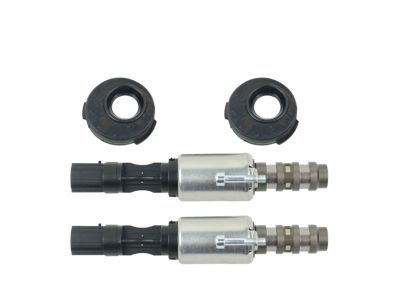
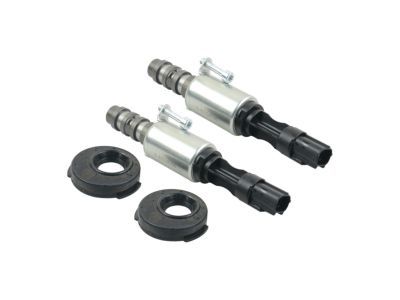
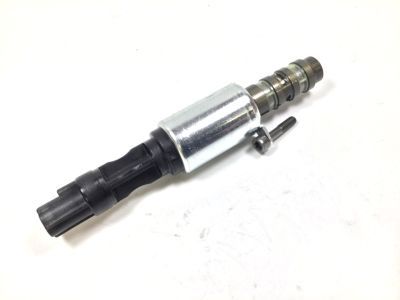
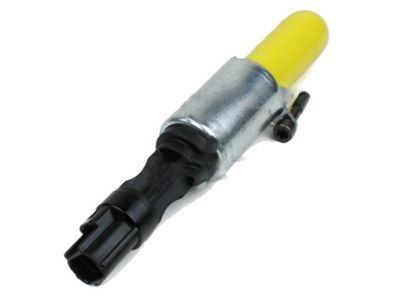
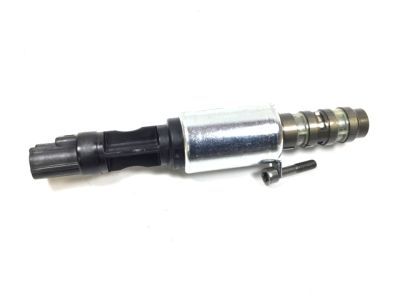
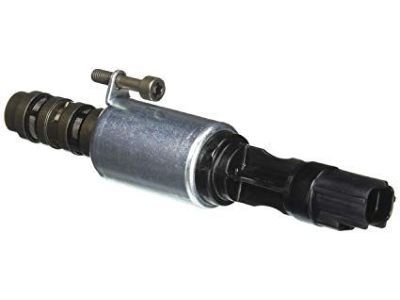
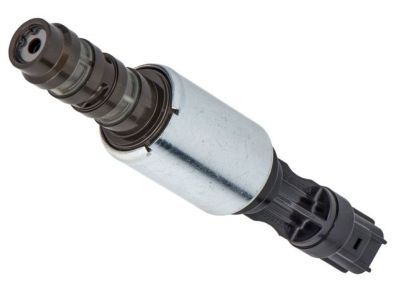
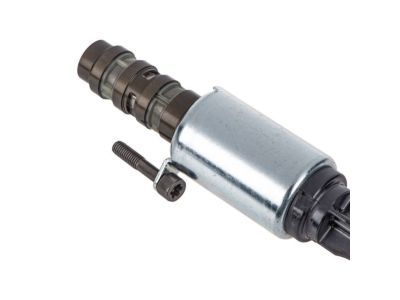
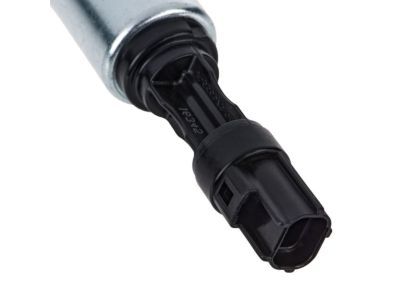
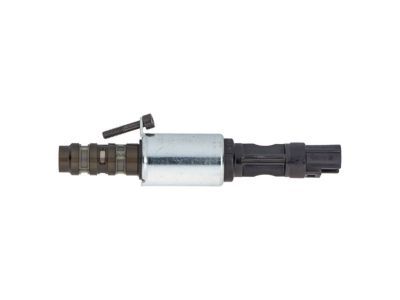
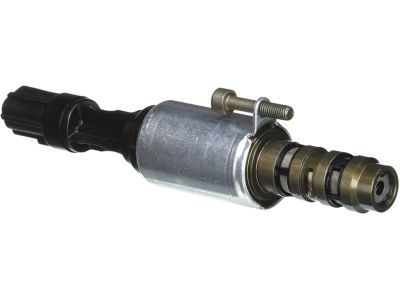
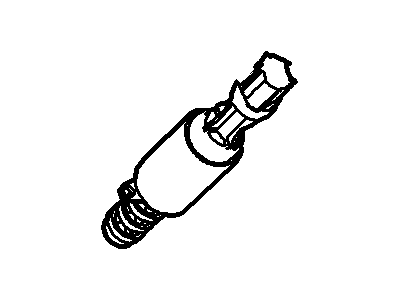
Lincoln Control Valve Solenoid Part Number: 8L3Z-6M280-B
$64.01 MSRP: $93.17You Save: $29.16 (32%)Product Specifications- Other Name: Solenoid - Engine Variable Timing; VVT Oil Control Valve; Camshaft Adjuster Magnet; Timing Solenoid.; Solenoid
- Replaces: 3L3Z-6M280-EA, 8L3Z-6M280-A
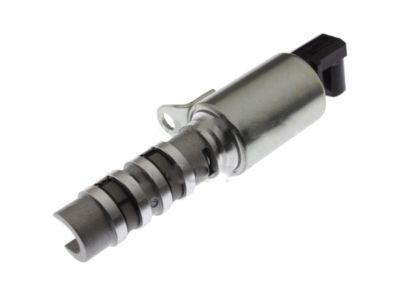
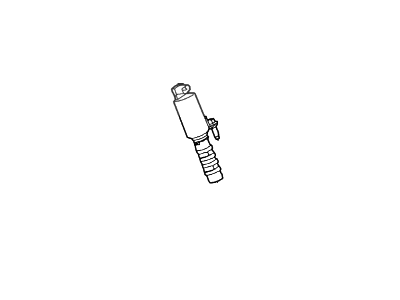
Lincoln Control Valve Solenoid Part Number: 7T4Z-6M280-D
Product Specifications- Other Name: Solenoid - Engine Variable Timing; VVT Oil Control Valve; Camshaft Adjuster Magnet; Timing Solenoid.
- Replaces: 7T4Z-6M280-FA
Lincoln Spool Valve
If you own Lincoln and want to keep it in top shape, choosing OEM Spool Valve is a smart move. They are precisely engineered and follow strict factory standards. They are made in advanced facilities that use cutting edge technology. Each part goes through thorough testing to confirm strength and safety, so you can trust it. FordPartsDeal.com gives you genuine Lincoln Spool Valve at some of the affordable online prices without cutting quality. Every OEM Lincoln part includes the manufacturer's warranty, easy returns, and super-fast delivery. So why wait? Shop now and get your vehicle back to peak condition.
The Lincoln Spool Valve slides in order to direct pressurized oil, which provides Lincoln engines with quieter and steadier timing. The Spool Valve is a metal tube which opens or closes ports. Lincoln manufactures cars under the Quiet Flight concept, with the cars being cocoon-wrapped in hush, Co-Pilot360 assistance features like lane assistance, blind spot warning, automatic high beams, and smart parking assist, and currently offers ActiveGlide so that on certified highways that cars can travel hands free. The use of soft leather, digital gauges and an insulated sound remind each owner that comfort and luxury is always important. Lincoln is dedicated to convenience and safety as demonstrated by spacious rear seats, panoramic roof, a valet-like key and staff support. There are available Revel audio surrounds that fill the cabin with sound, noise cancellation that makes conversations relaxed and a steering wheel that is heated in the cold morning to enhance the feeling of welcome. The company also releases software updates annually and pays attention to feedback provided by drivers to keep the features current. A Lincoln Spool Valve is easy to install provided one remains orderly. Check the right part, pull off the battery, and release the pressure in the system. Open the valve, unscrew and take out the previous one, cover the exposed hole, wipe the areas. Indicatively oil new seals, fit replacement Spool Valve, match ports, and torque bolts, reconnect lines and plugs, refill fluid, bleed air, start engine, and observe leaks or warning lights during slow gentle drive. Lastly clear any fault codes, allow the engine to run a minute or two and then turn off, clear trapped bubbles and re-check the fluid level.