FordParts
My Garage
My Account
Cart
OEM Mercury Mystique Air Bag
Air Bag Module- Select Vehicle by Model
- Select Vehicle by VIN
Select Vehicle by Model
orMake
Model
Year
Select Vehicle by VIN
For the most accurate results, select vehicle by your VIN (Vehicle Identification Number).
13 Air Bags found
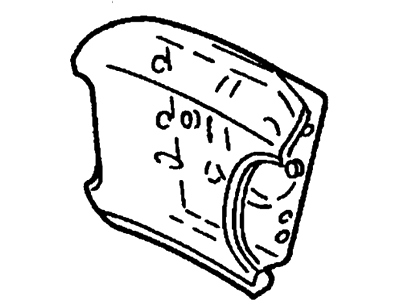
Mercury Mystique Driver Air Bag, Blue Part Number: F8RZ-54043B13-CAC
$71.55 MSRP: $98.99You Save: $27.44 (28%)Ships in 1-2 Business Days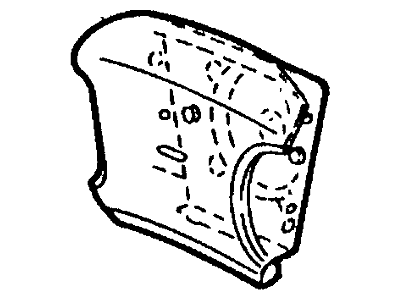
Mercury Mystique Driver Air Bag, Prairie Tan Part Number: F8RZ-54043B13-CAA
$103.83 MSRP: $143.65You Save: $39.82 (28%)Ships in 1-2 Business Days
Mercury Mystique Driver Air Bag, Prairie Tan Part Number: XS9Z-54043B13-BAC
$75.95 MSRP: $105.07You Save: $29.12 (28%)Ships in 1-2 Business DaysMercury Mystique Driver Air Bag, Graystone Part Number: XS9Z-54043B13-BAB
$75.95 MSRP: $105.07You Save: $29.12 (28%)Ships in 1-2 Business DaysMercury Mystique Driver Air Bag, Midnight Blue Part Number: XS9Z-54043B13-BAA
$75.95 MSRP: $105.07You Save: $29.12 (28%)Ships in 1-2 Business Days
Mercury Mystique Passenger Air Bag Part Number: F8RZ-54044A74-AA
$142.20 MSRP: $196.72You Save: $54.52 (28%)Ships in 1-2 Business DaysMercury Mystique Inflator Module, Graystone Part Number: F8RZ-54043B13-DBC
$66.02 MSRP: $91.33You Save: $25.31 (28%)Ships in 1-2 Business DaysMercury Mystique Driver Air Bag, Midnight Blue Part Number: F8RZ-54043B13-DBA
$66.02 MSRP: $91.33You Save: $25.31 (28%)Ships in 1-2 Business Days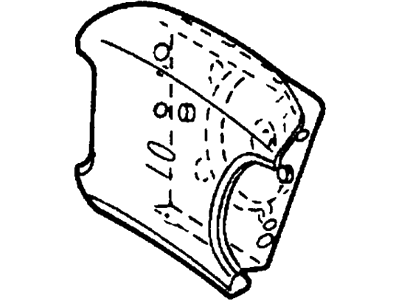
Mercury Mystique Driver Air Bag Part Number: F7RZ-54043B13-AAF
$69.42 MSRP: $96.04You Save: $26.62 (28%)Ships in 1-2 Business DaysMercury Mystique Driver Air Bag Part Number: F7RZ-54043B13-AAE
$68.71 MSRP: $95.05You Save: $26.34 (28%)Ships in 1-2 Business DaysMercury Mystique Passenger Air Bag Part Number: F5RZ-54044A74-A
Mercury Mystique Passenger Air Bag Part Number: XS2Z-54044A74-AA
Mercury Mystique Air Bag
OEM Air Bag boasts unmatched quality. Each part goes through full quality checks. They adhere to Mercury's official factory standards. These steps remove flaws and inconsistencies. So you can get Air Bag with long life and a perfect fit. Come to our website and find genuine Mercury Mystique parts. We keep a wide inventory of OEM Mystique parts at the highly affordable prices. It's easy to search, compare, and pick what you need. You'll love the clear info and simple checkout. We offer top-rated customer service, and we reply fast. We also ship promptly to ensure your order arrives on time.
Mercury Mystique Air Bag Parts and Q&A
- Q: How to service and repair undeployed or unserviceable air bags on Mercury Mystique?A:The Mandatory Return List includes all faulty air bag modules which need to be returned as received and discolored or damaged modules should be considered faulty. The first step involves taking out the driver or passenger side broken air bag module. Replacing an air bag module includes pre-paid return postcards from the new module while technicians need to record both the new part serial number with Vehicle Identification Number (VIN) before sending it to Ford Motor Company. It is essential to document required information before sending the defective driver air bag module back to Ford Motor Company during driver air bag module replacements. It is necessary to document specified information when replacing a passenger air bag module before sending the faulty part to Ford Motor Company.
- Q: What safety precautions should be taken when servicing the passenger air bag module on Mercury Mystique?A:Service of the passenger air bag module requires safety glasses and proper handling direction of the air bag toward your body to prevent injuries that could result from deployment accidents. Begin operation only after Battery Cable disconnection and waiting for one minute for back up power supply depletion. Push the glove compartment sides in to lower it on the floor. Remove the four screws that secure the top finish panel of the glove compartment and you can remove the panel. To continue proceed with the project the passenger air vent duct needs to be detached from both the heater box housing and the instrument panel register. You must disconnect the air bag module electrical connector before unscrewing the two bolts retaining the rear of the passenger air bag module at the cross vehicle beam and then remove the two nuts at the module's front side. Begin module support during retaining nut removal before lowering its front rim into the passenger footwell after rolling it around the cross vehicle beam. During installation just follow the opposite steps of removal while performing diagnostic checks again if an original part replacement fails to solve the problem without returning to the original component. After disconnecting the battery then reconnecting it the vehicle will behave differently during normal drive until it adapts its adaptive strategy through minimum 16 km or 10-mile driving sessions. The connectors on air bags must not be probed since probing leads to deployment risks causing personal harm. The replacement of air bag modules requires new components when covers or deployment doors show discolored or damaged appearance. The repair process must stick to replacement only. Post-deployment hand washing with soap and water should be performed to eliminate skin irritation from sodium hydroxide deposits.
Related Mercury Mystique Parts
 Mercury Mystique ABS Control Module
 Mercury Mystique Air Bag Control Module
 Mercury Mystique Air Bag Sensor
 Mercury Mystique Antenna
 Mercury Mystique Back Up Light Switch
 Mercury Mystique Clock Spring
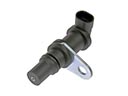 Mercury Mystique Crankshaft Position Sensor
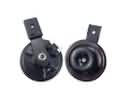 Mercury Mystique Horn
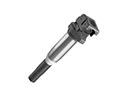 Mercury Mystique Ignition Coil
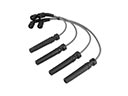 Mercury Mystique Spark Plug Wire
 Mercury Mystique Speedometer Cable
 Mercury Mystique Turn Signal Flasher