FordParts
My Garage
My Account
Cart
OEM Mercury Sable Fuel Pump Relay
- Select Vehicle by Model
- Select Vehicle by VIN
Select Vehicle by Model
orMake
Model
Year
Select Vehicle by VIN
For the most accurate results, select vehicle by your VIN (Vehicle Identification Number).
4 Fuel Pump Relays found
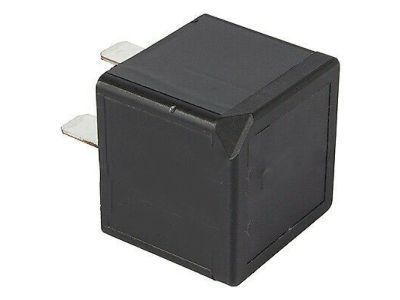

Mercury Sable Fuel Pump Relay, Outer Part Number: 5M5Z-14N089-A
$18.33 MSRP: $28.36You Save: $10.03 (36%)Ships in 1 Business Day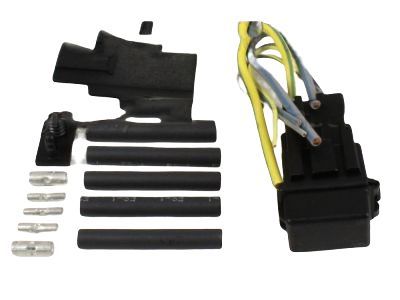

Mercury Sable Fuel Pump Relay, Black, Outer Part Number: AU5Z-14N089-FA
$104.94 MSRP: $161.50You Save: $56.56 (36%)Ships in 1-2 Business Days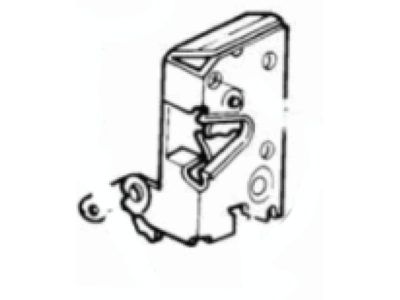
Mercury Sable Fuel Pump Relay Part Number: F8PZ-14N135-DA
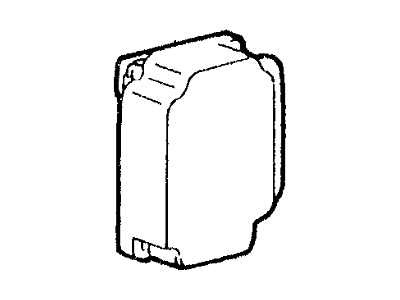
Mercury Sable Fuel Pump Relay Part Number: F6DZ-12B577-AA
Mercury Sable Fuel Pump Relay
OEM Fuel Pump Relay boasts unmatched quality. Each part goes through full quality checks. They adhere to Mercury's official factory standards. These steps remove flaws and inconsistencies. So you can get Fuel Pump Relay with long life and a perfect fit. Come to our website and find genuine Mercury Sable parts. We keep a wide inventory of OEM Sable parts at the highly affordable prices. It's easy to search, compare, and pick what you need. You'll love the clear info and simple checkout. We offer top-rated customer service, and we reply fast. We also ship promptly to ensure your order arrives on time.
The Mercury Sable Fuel Pump Relay directs electrical energy to the fuel pump when it needs it, to ensure fast starts and smooth engine operation. This way, the pump is caused to build instant pressure and then once the ignition is stopped, this opens. The opening stops the fuel flow and protects the components of the system. When the Fuel Pump Relay is faulty, it can cut the pump and lead to no start. The Fuel Pump Relay is responsible for preventing hard cranking, stalling or sputtering when healthy. This ensures that every Mercury Sable commute is smooth. Even after years on the road, a well-functioning relay enables the system to work reliably. Aside from this important piece, the Mercury Sable itself bred loyalty. Its balanced size providing comfortable seating for five; and availability of lively V6 engines which give confidence on highway merging without heavy fuel consumption. The widespread appeal of the 4-door sedan and versatile 5-door wagon body styles was due to the refinement of the suspension tuning that soaked up potholes yet did not lose poise in the corners. The careful manufacturing of Atlanta and Chicago plants delivered a consistent build quality. Also, parts availability today is widespread and affordable to maintain showing Mercury commitment to long term value. Sable owners prefer easy-to-read gauges, simple controls, and rugged interior materials that withstand abuse. To put in a new Fuel Pump Relay, disconnect the battery. Use your fingers to pull the old relay out of the fuse box. Seat the replacement securely in place. Reconnect the power and, if needed, cycle the key several times and you should be able to hear the pump run.
Related Mercury Sable Parts
 Mercury Sable Cooling Fan Relay
 Mercury Sable Crankshaft Position Sensor
 Mercury Sable Daytime Running Light Relay
 Mercury Sable Engine Control Module
 Mercury Sable Flasher Relay
 Mercury Sable Headlight Relay
 Mercury Sable Horn Relay
 Mercury Sable Ignition Relay
 Mercury Sable Radiator Fan Relay
 Mercury Sable Relay
 Mercury Sable Spark Plug
 Mercury Sable Starter Relay