FordParts
My Garage
My Account
Cart
Power Steering Oil Cooler - Belts
2004 Lincoln Navigator Power Steering Cooler, Power Steering Hose
Currently shopping for
2004 Lincoln Navigator
Change VehicleVehicle Options
Base; 8 Cyl 5.4 L GASVehicle Options
Base; 8 Cyl 5.4 L GASCategories Close X
Currently selected
Belts & Cooling
Other Categories
A/C & Heating
Air & Fuel Delivery
Body & Hardware
Brakes
Charging & Starting
Driveline & Axles
Electrical
Emission Control & Exhaust
Engine
Headlights & Lighting
Interior & Exterior Trim
Maintenance & Lubrication
Steering
Suspension
Transmission
Categories Close X
How to use OE catalog
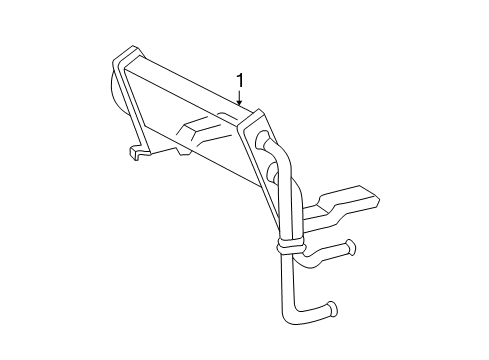
Diagram (1 of 1): Cooling - Power Steering Oil Cooler
Sort by:
Ref No.
Ref No.
Part No. & Part Description
Price & Qty.
Part No. &
Part Description
Part Description
- 1
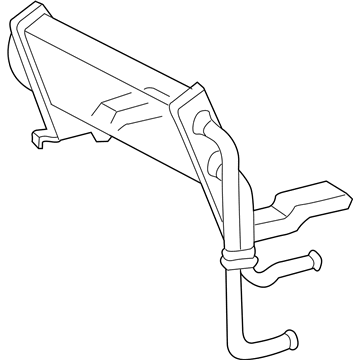
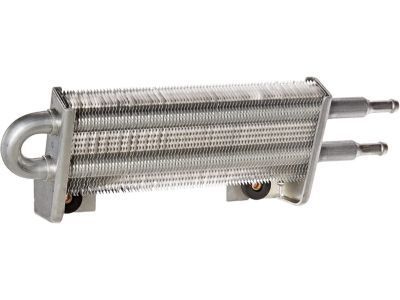
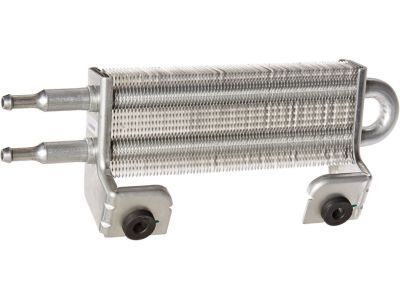 MSRP: $394.55 Your Price: $237.621
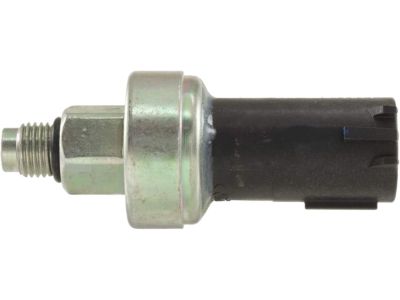
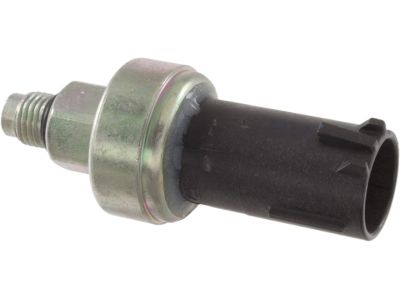
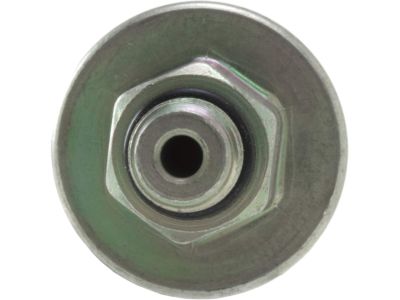
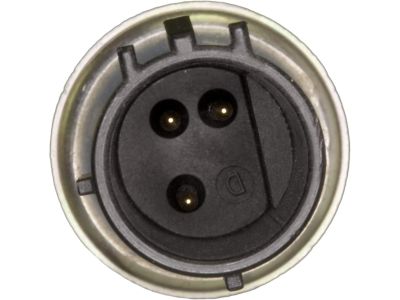 F7CZ-3N824-AA
Transducer - Hydraulic Pressure- Production Date: 03/2002-06/2017
- Callout Name: 3N824
- Replaced By: 3F1Z-3K215-A
MSRP: $81.08 Your Price: $55.70

 MSRP: $20.50 Your Price: $14.45
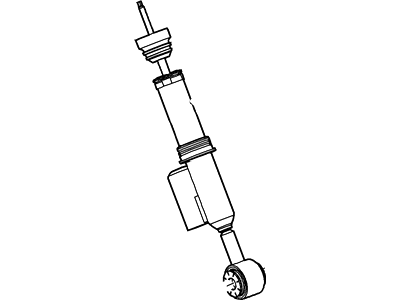
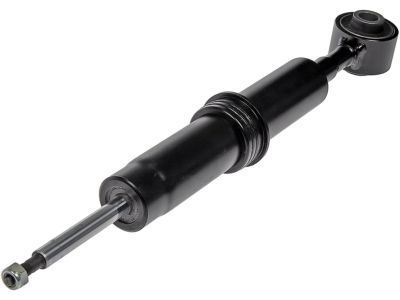
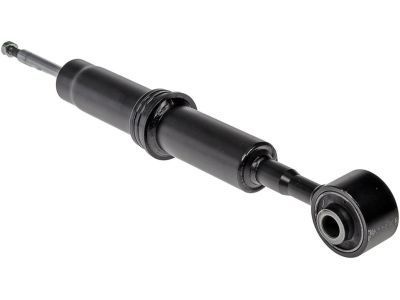 2L7Z-18124-AB
Shock Absorber Assy - Front- Part Notes: Shock Absorber Assy
- Location: Driver Side
- Production Date: 03/2002-08/2004
- Fitting Vehicle Options: Rear-Wheel Drive (Left Hand Drive)
- Callout Name: 18124
- Replaced By: AU2Z-18124-H
OEM 2004 Lincoln Navigator Parts for Power Steering Oil Cooler - Belts
Genuine OEM 2004 Lincoln Navigator parts are made using the original design, the high standards, in the Lincoln official factories, and all of these ensure that they always fit perfectly and easily. FordPartsDeal.com is a trusted source for finding these authentic OEM Power Steering Oil Cooler - Belts parts at very competitive prices. Our professional team is here to help you choose the right 2004 Lincoln Navigator Power Steering Cooler, Power Steering Hose, and our fast delivery options ensure that your parts are always delivered quickly.
Power Steering Cooler Installation and Repair Tips for 2004 Lincoln Navigator
- Q:How to Service and Repair the Power Steering Cooler on 2004 Lincoln Navigator?A:In order to fix the power steering cooler, switch off the air suspension system. When the vehicle on the hoist is in neutral position, drive-off hoses and screws. To install the new cooler, reverse the process then fill up the system and check leakages by not introducing contaminants that can cause component failure.