FordParts
My Garage
My Account
Cart
OEM Ford Edge Radiator fan
Radiator Cooling Fan- Select Vehicle by Model
- Select Vehicle by VIN
Select Vehicle by Model
orMake
Model
Year
Select Vehicle by VIN
For the most accurate results, select vehicle by your VIN (Vehicle Identification Number).
6 Radiator fans found
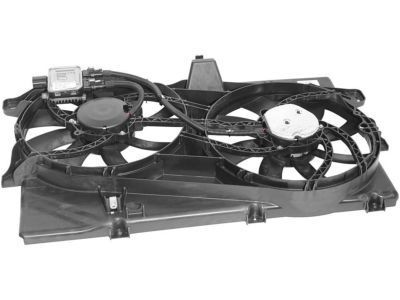
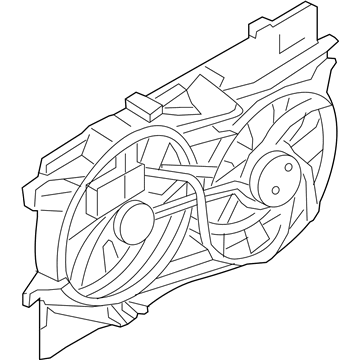
Ford Edge Fan & Motor Part Number: 7T4Z-8C607-B
$267.18 MSRP: $443.64You Save: $176.46 (40%)Ships in 1-2 Business Days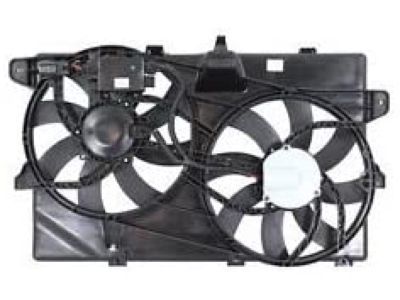
Ford Edge Fan & Motor Part Number: CT4Z-8C607-B
$273.75 MSRP: $454.55You Save: $180.80 (40%)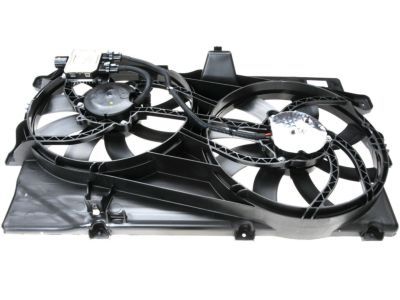
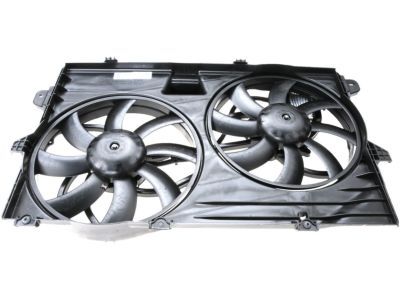
Ford Edge Fan & Motor Part Number: 9T4Z-8C607-A
$323.03 MSRP: $536.36You Save: $213.33 (40%)Ships in 1-2 Business Days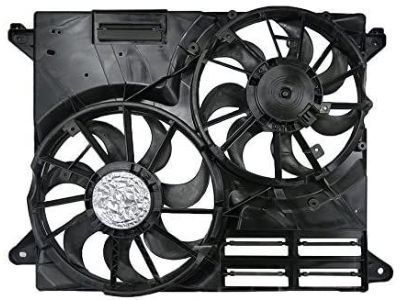
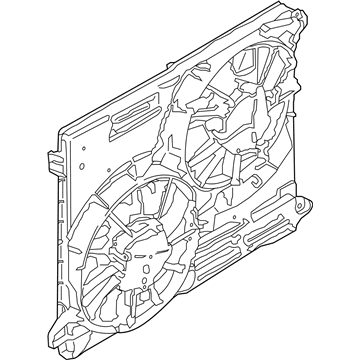
Ford Edge Fan & Motor Part Number: F2GZ-8C607-E
$463.19 MSRP: $769.09You Save: $305.90 (40%)Ships in 1-2 Business Days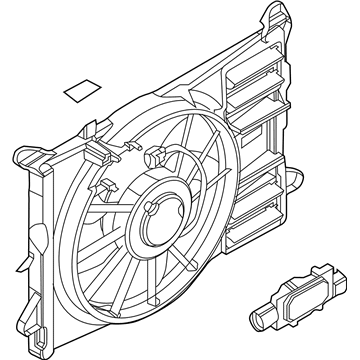
Ford Edge Fan & Motor Part Number: CT4Z-8C607-C
$378.43 MSRP: $647.27You Save: $268.84 (42%)Ships in 1-2 Business Days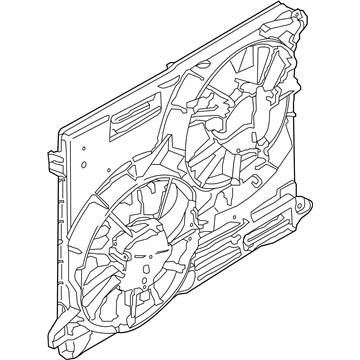
Ford Edge Fan & Motor Part Number: F2GZ-8C607-A
$412.44 MSRP: $705.45You Save: $293.01 (42%)Ships in 1-2 Business Days
Ford Edge Radiator fan
OEM Radiator fan boasts unmatched quality. Each part goes through full quality checks. They adhere to Ford's official factory standards. These steps remove flaws and inconsistencies. So you can get Radiator fan with long life and a perfect fit. Come to our website and find genuine Ford Edge parts. We keep a wide inventory of OEM Edge parts at the highly affordable prices. It's easy to search, compare, and pick what you need. You'll love the clear info and simple checkout. We offer top-rated customer service, and we reply fast. We also ship promptly to ensure your order arrives on time.
The Ford Edge Radiator fan prevents heat buildup in turbo engines of the SUV by pushing in ambient air through the radiator when the vehicle speed drops. This, in turn, protects other engine components and helps them function properly. The Radiator fan is located just behind the grille inside a shroud that channels airflow across the fins. Its electric motor is turned on by temperature sensors only when needed, thereby saving power and reducing noise. The Radiator fan ensures a steady coolant temperature curve that supports consistent performance and longer engine life when traveling with stop and go traffic, in steep climbs, or towing. In addition to smart cooling, the Ford Edge itself comes with lively EcoBoost options, eight speed automatic shifting, available all wheel drive, roomy five seat cabin, and confident suspension that cleverly combines car like handling with SUV height. Owners of the Ford Edge benefit from access to a bright 12-inch infotainment screen, huge boot space, and lots of safety features like blind spot monitoring, forward collision warning, and automatic emergency braking which are standard because Ford believes in peace of mind. The Ford Edge guarantees the quality of your vehicle throughout the year with its sturdy construction and 3500-pound towing capacity. Follow these guidelines while installing a Radiator fan, first park the vehicle, ensure that the engine is cool, remove the battery, and take out the old one. After that, install the new fan, reconnect, and test it.
Related Ford Edge Parts
 Ford Edge Cooling Fan Relay
 Ford Edge Radiator
 Ford Edge Coolant Reservoir
 Ford Edge Radiator Cap
 Ford Edge Cooling Fan Assembly
 Ford Edge Coolant Reservoir Hose
 Ford Edge Fan Blade
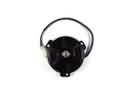 Ford Edge Fan Motor
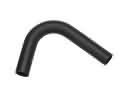 Ford Edge Radiator Hose
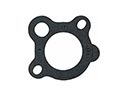 Ford Edge Thermostat Gasket
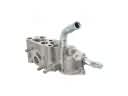 Ford Edge Thermostat Housing
 Ford Edge Water Pump Gasket