FordParts
My Garage
My Account
Cart
OEM Ford Explorer Sport Trac Seat Belt
Seat Safety Belt- Select Vehicle by Model
- Select Vehicle by VIN
Select Vehicle by Model
orMake
Model
Year
Select Vehicle by VIN
For the most accurate results, select vehicle by your VIN (Vehicle Identification Number).
31 Seat Belts found
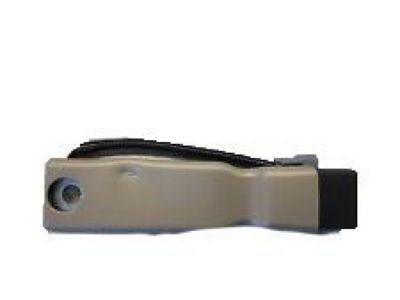
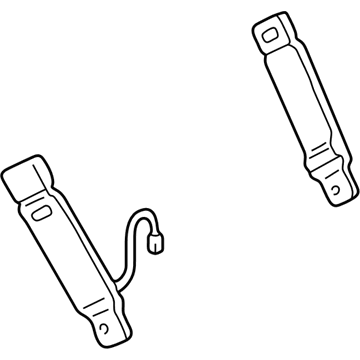
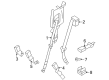
Ford Explorer Sport Trac Buckle End, Prairie Tan, Front Driver Side Part Number: 1L2Z-7861203-CAA
$76.79 MSRP: $106.24You Save: $29.45 (28%)Ships in 1-2 Business Days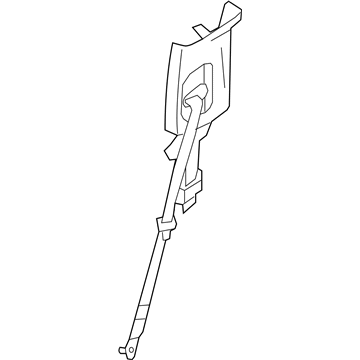
Ford Explorer Sport Trac Lap & Shoulder Belt, Camel, Rear Driver Side Part Number: 7L2Z-78611B69-AE
$80.70 MSRP: $111.64You Save: $30.94 (28%)Ships in 1-2 Business DaysFord Explorer Sport Trac Lap & Shoulder Belt, Rear Driver Side Part Number: 7L2Z-78611B69-AD
$80.70 MSRP: $111.64You Save: $30.94 (28%)Ships in 1-2 Business Days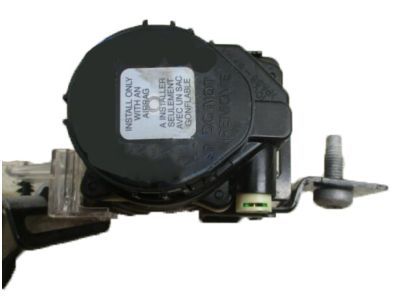
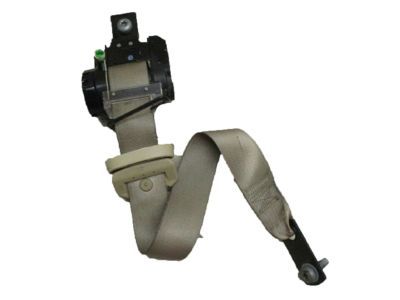
Ford Explorer Sport Trac Lap & Shoulder Belt, Camel, Front Driver Side Part Number: 7L2Z-78611B09-AB
$157.67 MSRP: $229.50You Save: $71.83 (32%)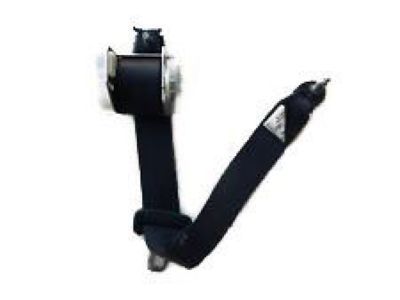
Ford Explorer Sport Trac Lap & Shoulder Belt, Camel, Center Passenger Side Part Number: 7L2Z-78611B68-AE
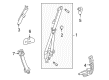
Ford Explorer Sport Trac Lap & Shoulder Belt, Black, Front Driver Side Part Number: 7L2Z-78611B09-AA
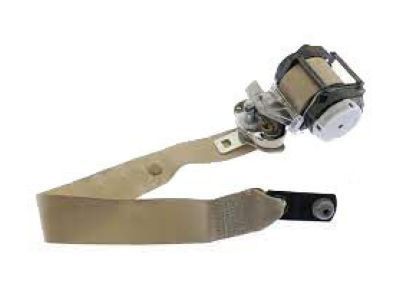
Ford Explorer Sport Trac Lap & Shoulder Belt, Camel, Front Passenger Side Part Number: 7L2Z-78611B08-AB
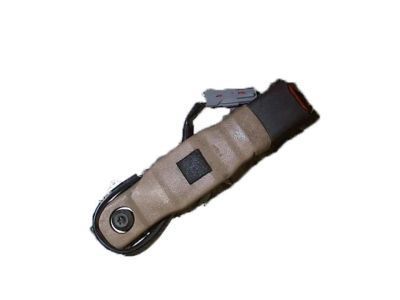
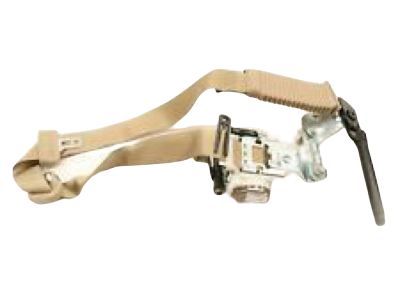
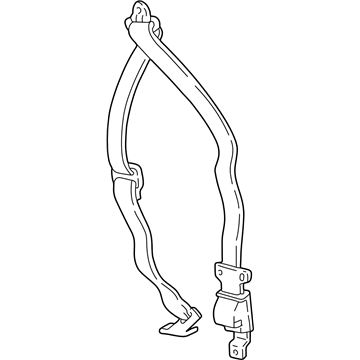
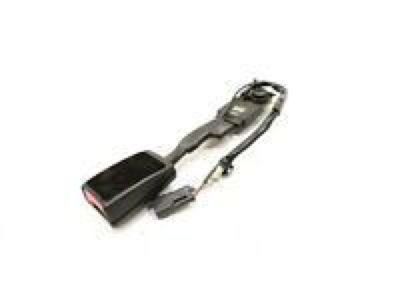
Ford Explorer Sport Trac Buckle End, Prairie Tan, Front Passenger Side Part Number: 1L2Z-7861202-CAA
Ford Explorer Sport Trac Lap & Shoulder Belt, Prairie Tan, Front Driver Side Part Number: 1L5Z-35611B09-AAB
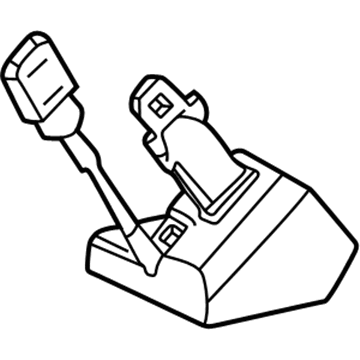
Ford Explorer Sport Trac Lap & Shoulder Belt, Black, Center Passenger Side Part Number: 7L2Z-78611B68-AF
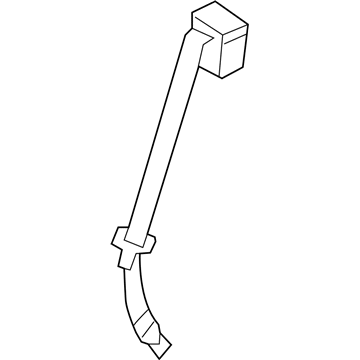
Ford Explorer Sport Trac Lap & Shoulder Belt, Camel, Rear Middle Center Part Number: 7L2Z-78611B64-BB
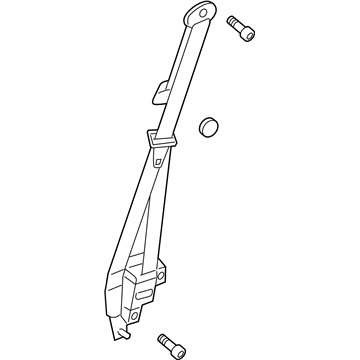
Ford Explorer Sport Trac Lap & Shoulder Belt, Black, Front Driver Side Part Number: 7L2Z-78611B09-AC
Ford Explorer Sport Trac Lap & Shoulder Belt, Black, Front Passenger Side Part Number: 7L2Z-78611B08-AC
| Page 1 of 2 |Next >
1-20 of 31 Results
Ford Explorer Sport Trac Seat Belt
OEM Seat Belt boasts unmatched quality. Each part goes through full quality checks. They adhere to Ford's official factory standards. These steps remove flaws and inconsistencies. So you can get Seat Belt with long life and a perfect fit. Come to our website and find genuine Ford Explorer Sport Trac parts. We keep a wide inventory of OEM Explorer Sport Trac parts at the highly affordable prices. It's easy to search, compare, and pick what you need. You'll love the clear info and simple checkout. We offer top-rated customer service, and we reply fast. We also ship promptly to ensure your order arrives on time.
Ford Explorer Sport Trac Seat Belt Parts and Q&A
- Q:What Actions Are Required for Seat Belt Assemblies and Attaching Hardware After a Collision on Ford Explorer Sport Trac?A:Authorized dealers must examine seat belt assemblies along with their attaching hardware after collisions to check proper functionality of all components such as retractors, buckles, belt tension sensor (BTS) if equipped and front seat belt buckle support assemblies (slide bar) if equipped, seat belt shoulder belt height adjusters if equipped, child seat tether bracket assemblies and automatic locking retractor (ALR) feature for child seats in passenger seating positions. A new seat belt assembly needs replacement whenever a damaged component or one with operational issues emerges from the Functional Tests. New attaching hardware along with seat belt assemblies must be installed when sheet metal shows damage or distortion because this action protects against deadly injuries during a vehicle crash. A new driver and front outboard passenger seat belt system with retractors along with buckles and height adjusters must be mounted following pretensioner activation during a collision to stop elevated risks for fatal injuries. Seat belts undergo inspection before installation on the attaching areas where damage and deformation should be examined; when damage occurs the sheet metal needs restoration to its original features before installing new seat belts followed by conducting functional tests.
- Q:What Precautions Should Be Taken for Safe Repair of Seat Belt Pretensioners on Ford Explorer Sport Trac?A:Safety glass protection should be used during all vehicle air bag-related maintenance and safety belt buckle pretensioner and safety belt retractor pretensioner servicing because the safety belt pretensioner functions as a device with pyrotechnic elements. Examining the pretensioner electrical connector could cause unintentional deployment leading to personal injuries so it should always be avoided. Safety belt retractor pretensioners require manual gymnastics with avoiding clothing and fingers from moving components to eliminate risks of injuries if the system activates unintentionally. All non-functional safety belt buckle pretensioners and safety belt retractor pretensioners need immediate return to Ford Motor Company through the Mandatory Return List. Inoperative safety belt buckle pretensioners and safety belt retractor pretensioners should be removed from a vehicle after depowering the system. The inoperative safety belt buckle pretensioner or safety belt retractor pretensioner must be correctly packaged before sending it to Ford Motor Company.
Related Ford Explorer Sport Trac Parts
 Ford Explorer Sport Trac Horn
 Ford Explorer Sport Trac Air Bag Sensor
 Ford Explorer Sport Trac Brake Light Switch
 Ford Explorer Sport Trac Camshaft Position Sensor
 Ford Explorer Sport Trac Engine Control Module
 Ford Explorer Sport Trac Fuse
 Ford Explorer Sport Trac Key Fob
 Ford Explorer Sport Trac Oxygen Sensor
 Ford Explorer Sport Trac PCV Valve Hose
 Ford Explorer Sport Trac Power Window Switch
 Ford Explorer Sport Trac Spark Plug Wire
 Ford Explorer Sport Trac Speedometer Cable
Browse Ford Explorer Sport Trac Seat Belt by Years
2010
2009
2008
2007
2005
2004
2003
2002
2001