FordParts
My Garage
My Account
Cart
OEM Ford Explorer Starter Solenoid
Starter Solenoid Relay- Select Vehicle by Model
- Select Vehicle by VIN
Select Vehicle by Model
orMake
Model
Year
Select Vehicle by VIN
For the most accurate results, select vehicle by your VIN (Vehicle Identification Number).
1 Starter Solenoid found
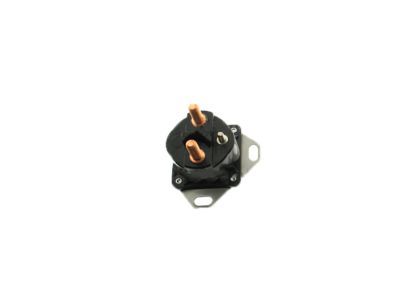
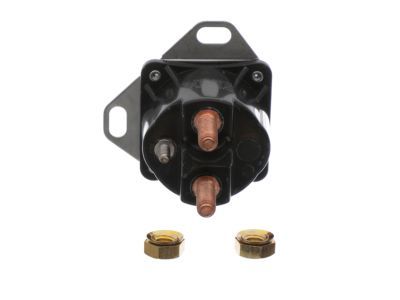
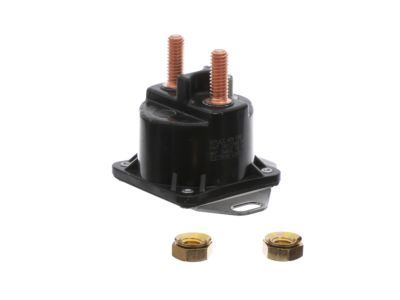
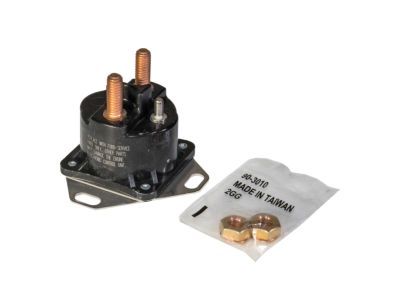
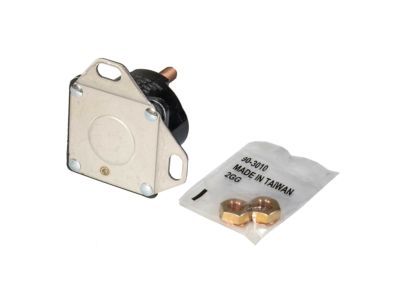
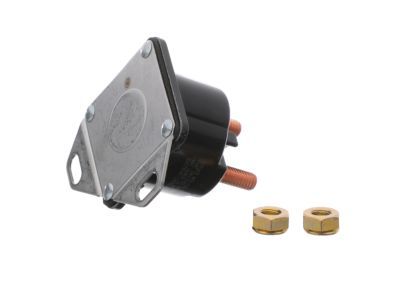
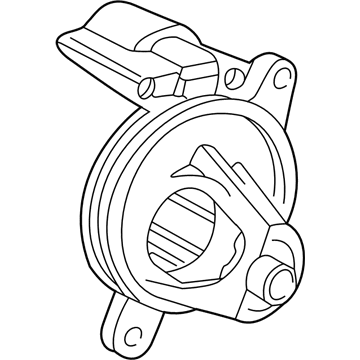
Ford Explorer Starter Solenoid Part Number: E9TZ-11450-B
$24.27 MSRP: $38.55You Save: $14.28 (38%)Ships in 1 Business Day
Ford Explorer Starter Solenoid
OEM Starter Solenoid boasts unmatched quality. Each part goes through full quality checks. They adhere to Ford's official factory standards. These steps remove flaws and inconsistencies. So you can get Starter Solenoid with long life and a perfect fit. Come to our website and find genuine Ford Explorer parts. We keep a wide inventory of OEM Explorer parts at the highly affordable prices. It's easy to search, compare, and pick what you need. You'll love the clear info and simple checkout. We offer top-rated customer service, and we reply fast. We also ship promptly to ensure your order arrives on time.
The Ford Explorer Starter Solenoid delivers instant battery power to the starter motor, allowing for quick engine cranking. The Ford Explorer became famous for combining truck toughness with family comfort. Built on a Ranger-based frame, it is tough enough to take on rough and rugged terrain. You can also get an AWD system to continue with confidence when rain or snow comes. Over the years, different generations of Ford Explorers were equipped with 4-wheel disc brakes, improved suspension tuning, and a variety of trim levels so that drivers could customize the equipment to suit their lifestyle. The Explorer's blacked out B-pillars and D-pillars give it a distinctive silhouette. Furthermore, real Ford components keep that factory fit while ensuring prolonged durability and good value. The Explorer Starter Solenoid in this dependable SUV is an electromagnetic switch that works like an automatic gate. It accepts a light signal from the ignition switch, which makes it snap heavy contacts shut and send high current to the motor while pushing the pinion into the ring gear. When your engine fires, the Starter Solenoid relaxes and the circuit opens to prevent overspeed and protect components. A simple action that creates uniformity in every single Ford start, even years later. If the charge of the battery drops, the Starter Solenoid unit may only just click to warn that the contact force has not been achieved. To install, remove the negative cable, change the unit, replace wires tightly, connect the battery, and try to start.
Related Ford Explorer Parts
 Ford Explorer Alternator
 Ford Explorer Starter
 Ford Explorer Car Battery
 Ford Explorer Starter Relay
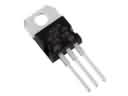 Ford Explorer Voltage Regulator
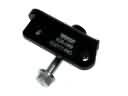 Ford Explorer Alternator Bracket
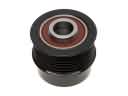 Ford Explorer Alternator Pulley
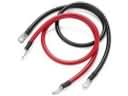 Ford Explorer Battery Cable
 Ford Explorer Battery Fuse
 Ford Explorer Battery Tray
 Ford Explorer Starter Brush