FordParts
My Garage
My Account
Cart
OEM Ford F-350 Super Duty Fuel Rail
Engine Fuel Rail- Select Vehicle by Model
- Select Vehicle by VIN
Select Vehicle by Model
orMake
Model
Year
Select Vehicle by VIN
For the most accurate results, select vehicle by your VIN (Vehicle Identification Number).
14 Fuel Rails found
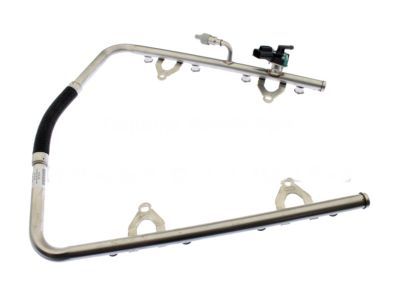
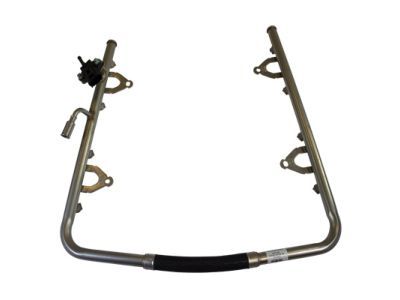
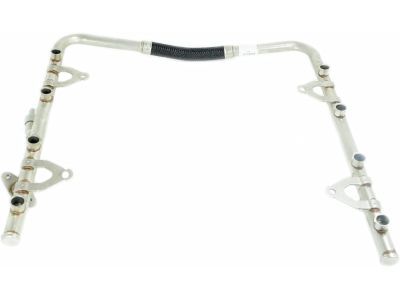
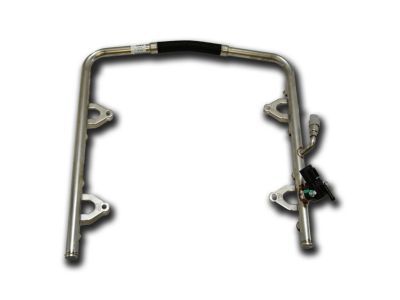
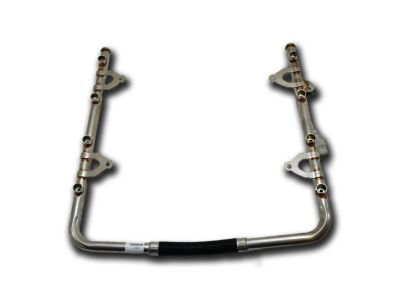
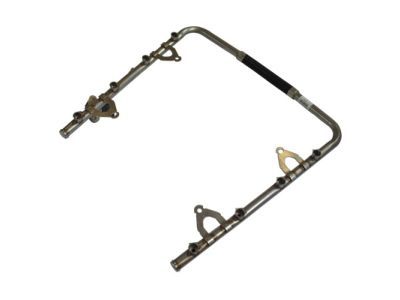
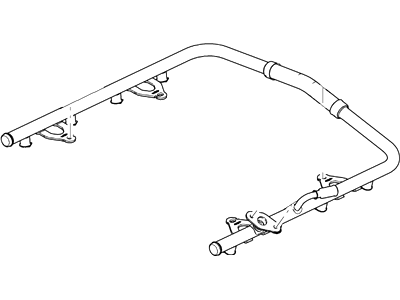
Ford F-350 Super Duty Fuel Rail Part Number: 5C3Z-9F792-DA
$413.14 MSRP: $606.67You Save: $193.53 (32%)Ships in 1-3 Business Days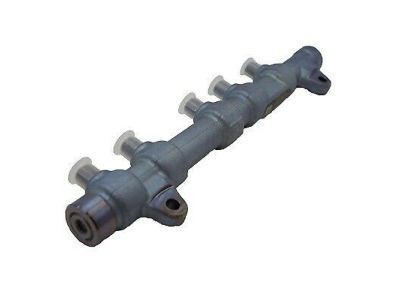
Ford F-350 Super Duty Fuel Rail, Passenger Side Part Number: BC3Z-9D280-A
$259.71 MSRP: $552.73You Save: $293.02 (54%)Ships in 1 Business Day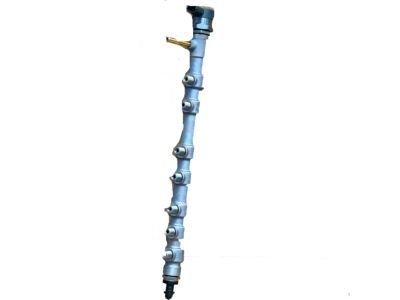
Ford F-350 Super Duty Fuel Rail, Driver Side Part Number: BC3Z-9D280-B
$419.95 MSRP: $672.73You Save: $252.78 (38%)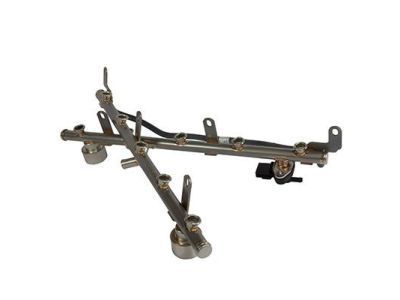
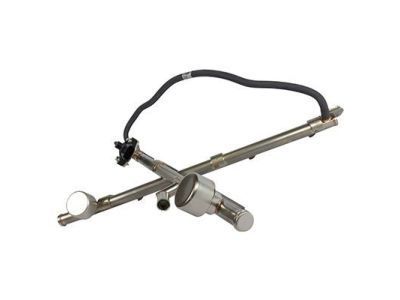
Ford F-350 Super Duty Fuel Rail Part Number: 5C3Z-9F792-GA
$768.38 MSRP: $1138.33You Save: $369.95 (33%)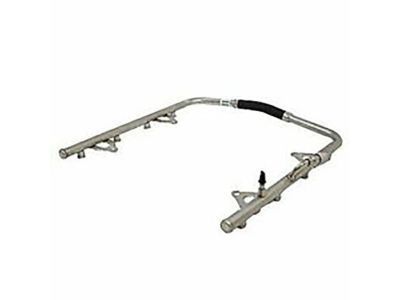
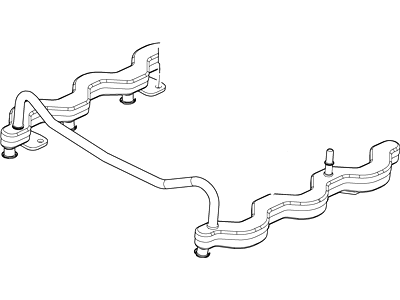
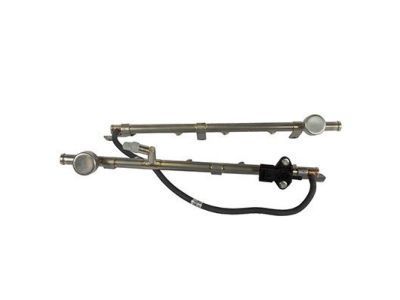
Ford F-350 Super Duty Fuel Rail Part Number: AL3Z-9F792-B
$660.38 MSRP: $978.33You Save: $317.95 (33%)Ships in 1-3 Business Days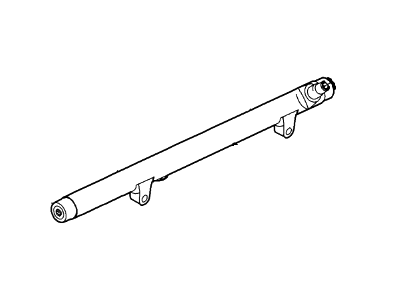
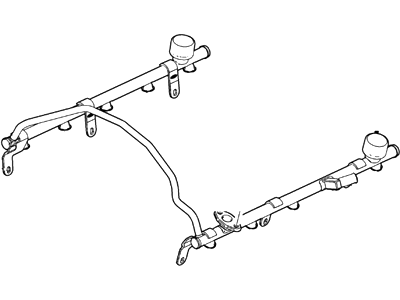
Ford F-350 Super Duty Fuel Rail Part Number: 8C3Z-9T287-ARM
$462.42 MSRP: $785.00You Save: $322.58 (42%)Ships in 1-3 Business Days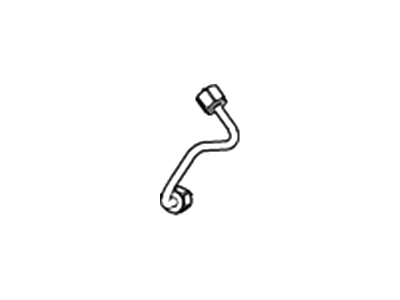
Ford F-350 Super Duty Fuel Rail Part Number: 8C3Z-9T287-BRM
$299.55 MSRP: $408.83You Save: $109.28 (27%)
Ford F-350 Super Duty Fuel Rail Part Number: PC3Z-9D280-A
$507.38 MSRP: $820.00You Save: $312.62 (39%)Ships in 1-2 Business DaysFord F-350 Super Duty Fuel Rail Part Number: LC3Z-9D280-D
$590.63 MSRP: $954.55You Save: $363.92 (39%)Ships in 1-3 Business DaysFord F-350 Super Duty Fuel Rail Part Number: LC3Z-9D280-A
$123.66 MSRP: $196.36You Save: $72.70 (38%)Ships in 1-3 Business DaysFord F-350 Super Duty Fuel Rail Part Number: LC3Z-9D280-B
$136.26 MSRP: $216.36You Save: $80.10 (38%)Ships in 1-3 Business DaysFord F-350 Super Duty Fuel Rail Part Number: LC3Z-9D280-C
$204.30 MSRP: $327.27You Save: $122.97 (38%)Ships in 1-3 Business DaysFord F-350 Super Duty Fuel Rail Part Number: HC3Z-9F792-A
$367.06 MSRP: $539.00You Save: $171.94 (32%)Ships in 1-3 Business DaysFord F-350 Super Duty Fuel Rail Part Number: 5C3Z-9F792-H
Ford F-350 Super Duty Fuel Rail
OEM Fuel Rail boasts unmatched quality. Each part goes through full quality checks. They adhere to Ford's official factory standards. These steps remove flaws and inconsistencies. So you can get Fuel Rail with long life and a perfect fit. Come to our website and find genuine Ford F-350 Super Duty parts. We keep a wide inventory of OEM F-350 Super Duty parts at the highly affordable prices. It's easy to search, compare, and pick what you need. You'll love the clear info and simple checkout. We offer top-rated customer service, and we reply fast. We also ship promptly to ensure your order arrives on time.
Ford F-350 Super Duty Fuel Rail Parts and Q&A
- Q:How to safely service the fuel rail on Ford F-350 Super Duty?A:Security must be top priority during fuel rail maintenance because the presence of flammable mixtures requires you to stay away from open flames and smoking. The first step should be to reduce fuel system pressure which will stop unexpected fuel spraying and follow it with clean maintenance because the fuel injection equipment requires tight tolerances. Begin the procedure by disconnecting the battery ground cable then detaching the air cleaner outlet tube. First disconnect the quick connect couplings together with the crankcase vent tube after which remove the vacuum hose from the air cleaner outlet pipe-to-throttle body adapter and then remove the wiring harness retainer from the same adapter. Reinstall the four tensioned to 10 Nm (89 lb-in) bolts which anchor the air cleaner outlet pipe-to-throttle body adapter properly. Start by removing the adapter along with decoupling those connectors which handle positive crankcase ventilation tube and evaporative emissions tube exhaustion from the intake manifold. Disconnect the vacuum lines and electrical wiring which service the fuel rail pressure and temperature sensor, eight Fuel Injector connectors and electronic throttle control connector, throttle position sensor and heated PCV intake fitting connector respectively. Keep the fuel supply tube spring lock coupling untouched before removing the fuel rail by keeping fuel injectors inside the intake manifold. This facilitates easier remover operations. The fuel rail must be removed by disconnecting its four bolts which need to be fastened to 10 Nm (89 lb-in) during reinstallation. During sensor service the technician should remove two bolts and dispose of the O-ring seal before tightening the new sensor to 4 Nm (35 lb-in). After removing the fuel injectors from the intake manifold you should follow the opposite installation steps to replace everything.
Related Ford F-350 Super Duty Parts
 Ford F-350 Super Duty Fuel Filter
 Ford F-350 Super Duty Fuel Pressure Sensor
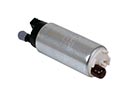 Ford F-350 Super Duty Fuel Pump
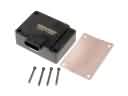 Ford F-350 Super Duty Fuel Pump Driver Module
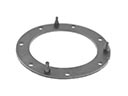 Ford F-350 Super Duty Fuel Pump Gasket
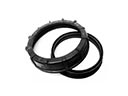 Ford F-350 Super Duty Fuel Pump Seal
 Ford F-350 Super Duty Fuel Pump Tank Seal
 Ford F-350 Super Duty Fuel Sending Unit
 Ford F-350 Super Duty Fuel Tank
 Ford F-350 Super Duty Fuel Tank Skid Plate
 Ford F-350 Super Duty Fuel Tank Strap
 Ford F-350 Super Duty Idle Control Valve