FordParts
My Garage
My Account
Cart
OEM Ford Fusion Fuel Pressure Sensor
Fuel Tank Pressure Sensor- Select Vehicle by Model
- Select Vehicle by VIN
Select Vehicle by Model
orMake
Model
Year
Select Vehicle by VIN
For the most accurate results, select vehicle by your VIN (Vehicle Identification Number).
4 Fuel Pressure Sensors found
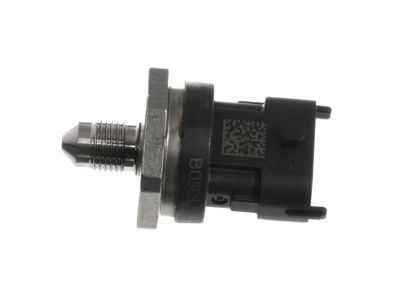
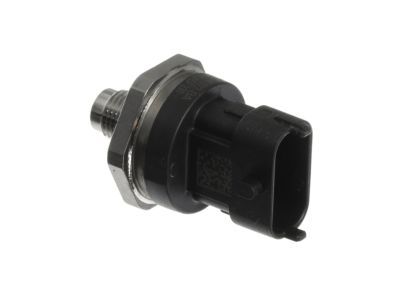
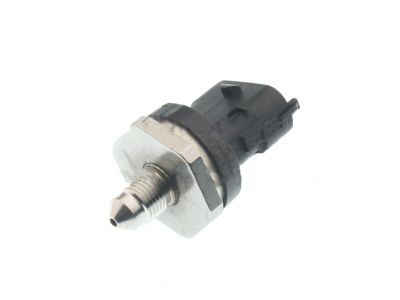
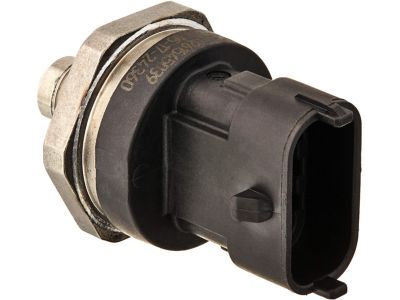
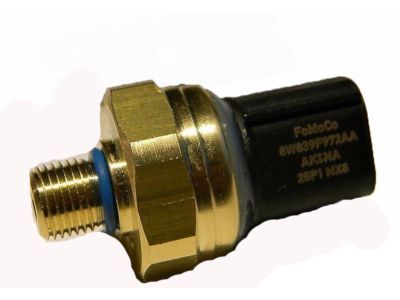
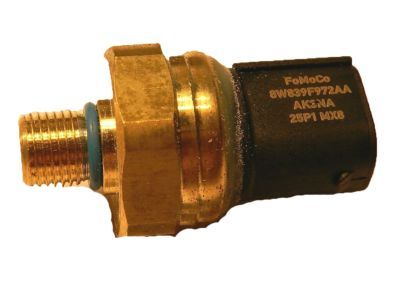
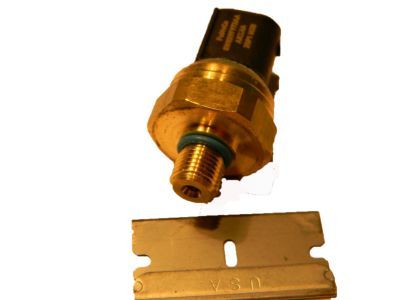
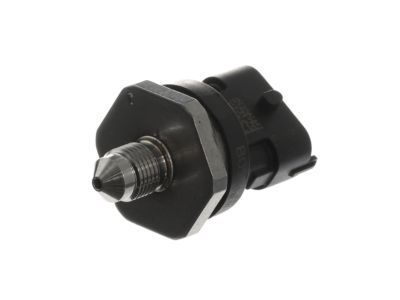


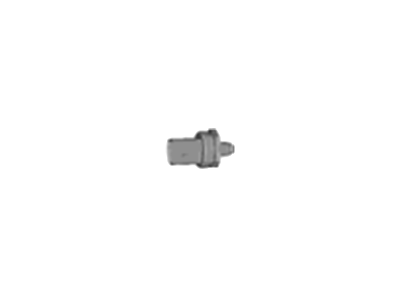
Ford Fusion Pressure Sensor Part Number: BM5Z-9F972-A
$75.03 MSRP: $123.45You Save: $48.42 (40%)Ships in 1 Business Day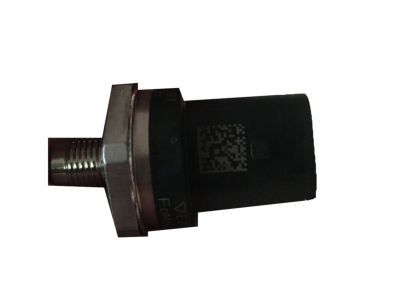
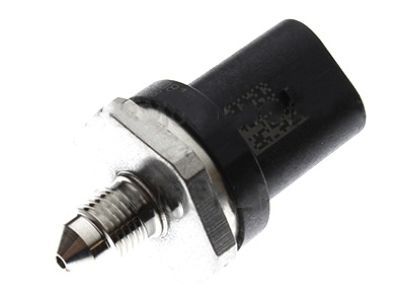
Ford Fusion Pressure Sensor Part Number: EJ7Z-9F972-A
$69.28 MSRP: $114.00You Save: $44.72 (40%)Ships in 1-2 Business Days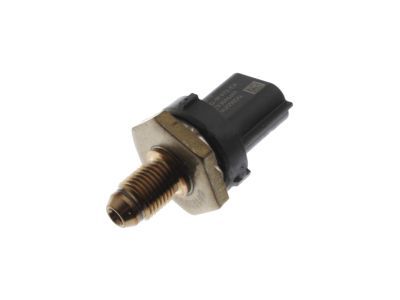
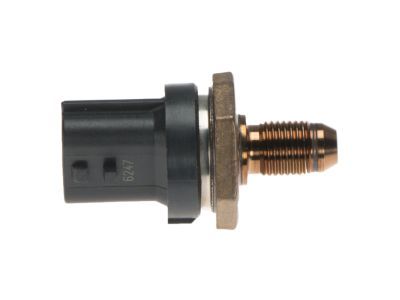
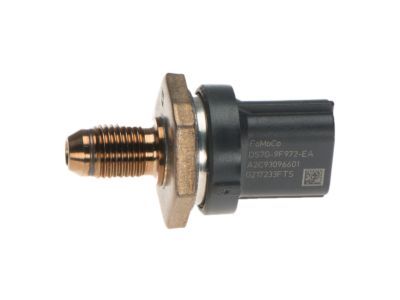
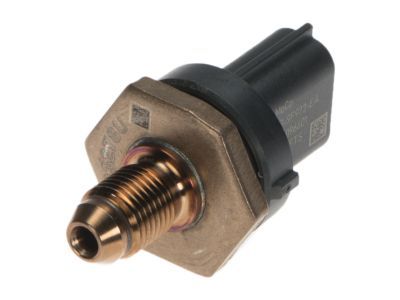
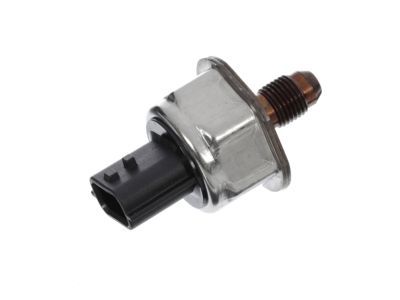
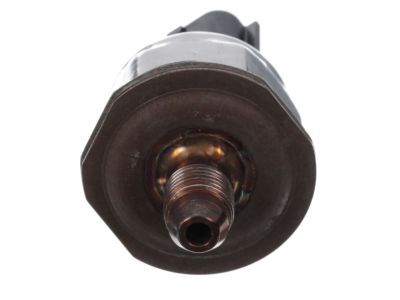
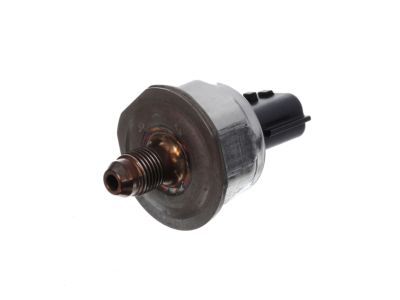
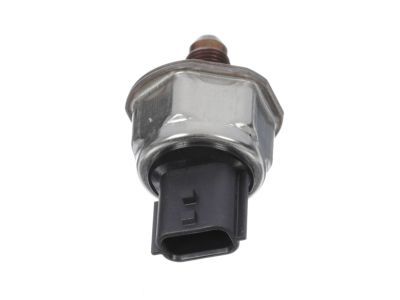
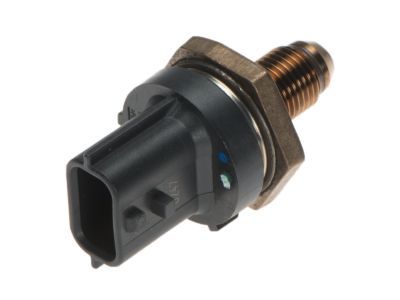
Ford Fusion Pressure Sensor Part Number: DS7Z-9F972-CA
$72.82 MSRP: $119.82You Save: $47.00 (40%)Ships in 1-2 Business Days
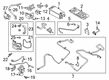
Ford Fusion Pressure Sensor Part Number: DU5Z-9C052-A
Ford Fusion Fuel Pressure Sensor
OEM Fuel Pressure Sensor boasts unmatched quality. Each part goes through full quality checks. They adhere to Ford's official factory standards. These steps remove flaws and inconsistencies. So you can get Fuel Pressure Sensor with long life and a perfect fit. Come to our website and find genuine Ford Fusion parts. We keep a wide inventory of OEM Fusion parts at the highly affordable prices. It's easy to search, compare, and pick what you need. You'll love the clear info and simple checkout. We offer top-rated customer service, and we reply fast. We also ship promptly to ensure your order arrives on time.
Ford Fusion Fuel Pressure Sensor sits at the heart of the fuel system, linking technology and reliability. Built on precision platforms, the Ford Fusion delivers agile handling, roomy seating, and a style that feels fresh whether you choose the smooth hybrid or the punchy EcoBoost engine. Drivers praise the responsive steering, strong safety ratings, and easy SYNC screen that makes music and navigation simple. Over years of updates, Ford improved crash protection, added lane keeping assist, and tuned the suspension so highway trips stay calm and quiet. Many owners note the generous trunk and the efficient powertrain choices that help them stretch a tank of gas without giving up fun, so regular checks help a Fusion stay efficient. At the core of this performance the Fuel Pressure Sensor samples the fuel rail pressure many times per second and sends data to the engine control module, allowing precise fuel flow, steady idle, and quick starts. When the Fuel Pressure Sensor begins to fail the computer may misjudge mixture, leading to rough running and higher fuel use, so keeping a healthy unit matters. For the Ford Fusion, this compact Fuel Pressure Sensor was tuned by Ford engineers to match each engine option, ensuring strength in city traffic and on long climbs. A clean Fuel Pressure Sensor also speeds diagnostics. To fit a new sensor, park the Fusion safely, release fuel pressure, unclip the wiring, swap the part, tighten it firmly, reconnect, then start the car and check for leaks.
Related Ford Fusion Parts
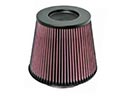 Ford Fusion Air Filter
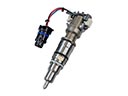 Ford Fusion Fuel Injector
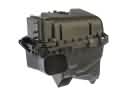 Ford Fusion Air Filter Box
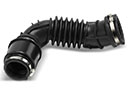 Ford Fusion Air Intake Hose
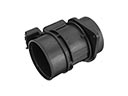 Ford Fusion Mass Air Flow Sensor
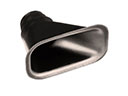 Ford Fusion Air Duct
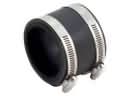 Ford Fusion Air Intake Coupling
 Ford Fusion Fuel Injector O-Rings
 Ford Fusion Fuel Line Clamps
 Ford Fusion Fuel Pump Tank Seal
 Ford Fusion Fuel Rail
 Ford Fusion Throttle Body Gasket