FordParts
My Garage
My Account
Cart
OEM Ford Fusion Valve Stem Seal
Engine Valve Seal- Select Vehicle by Model
- Select Vehicle by VIN
Select Vehicle by Model
orMake
Model
Year
Select Vehicle by VIN
For the most accurate results, select vehicle by your VIN (Vehicle Identification Number).
6 Valve Stem Seals found
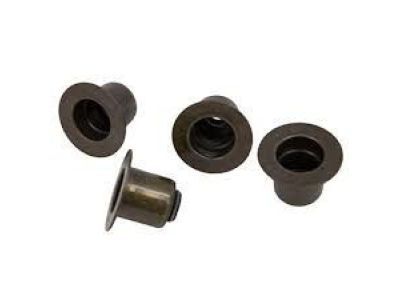
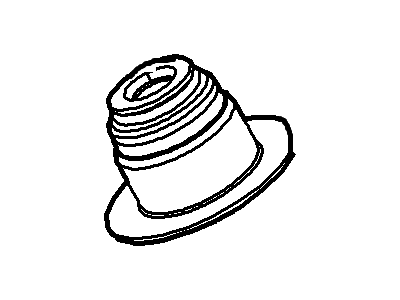
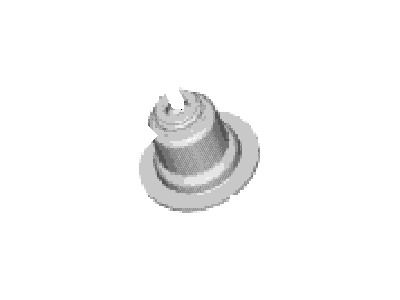
Ford Fusion Valve Seals Part Number: F5RZ-6571-B
$1.93 MSRP: $2.73You Save: $0.80 (30%)Ships in 1 Business Day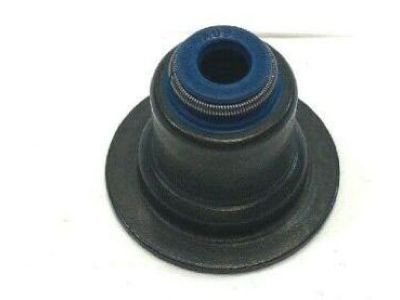
Ford Fusion Valve Seals Part Number: BM5Z-6571-A
$2.51 MSRP: $3.57You Save: $1.06 (30%)Ships in 1-3 Business Days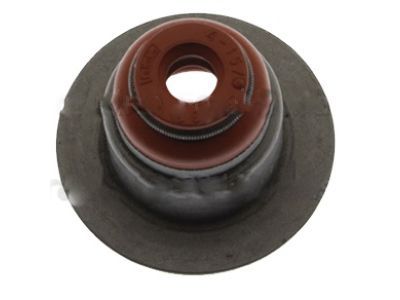
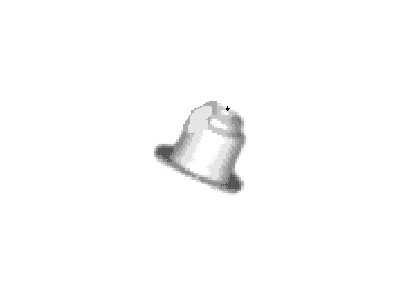
Ford Fusion Valve Seals Part Number: BL3Z-6571-A
$2.64 MSRP: $3.75You Save: $1.11 (30%)Ships in 1-3 Business Days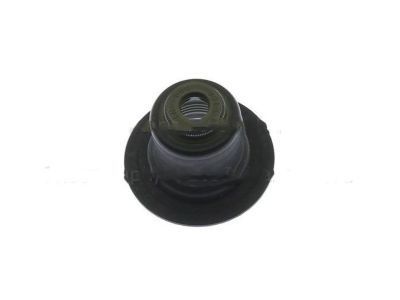
Ford Fusion Valve Seals, Green Part Number: 3S4Z-6571-A
$5.03 MSRP: $7.13You Save: $2.10 (30%)Ships in 1-3 Business Days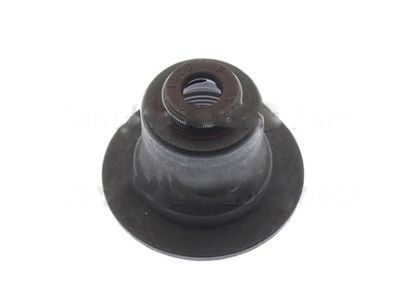
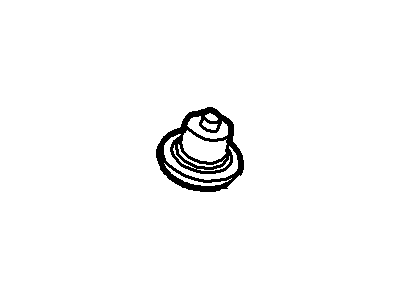
Ford Fusion Valve Seals, Brown/Gray Part Number: 1S7Z-6571-A
$5.43 MSRP: $7.70You Save: $2.27 (30%)
Ford Fusion Valve Seals Part Number: JT4Z-6571-A
$13.78
Ford Fusion Valve Stem Seal
OEM Valve Stem Seal boasts unmatched quality. Each part goes through full quality checks. They adhere to Ford's official factory standards. These steps remove flaws and inconsistencies. So you can get Valve Stem Seal with long life and a perfect fit. Come to our website and find genuine Ford Fusion parts. We keep a wide inventory of OEM Fusion parts at the highly affordable prices. It's easy to search, compare, and pick what you need. You'll love the clear info and simple checkout. We offer top-rated customer service, and we reply fast. We also ship promptly to ensure your order arrives on time.
Ford Fusion Valve Stem Seal Parts and Q&A
- Q:How to Service and Repair Valve Stem Seals to Prevent Engine Failure on Ford Fusion?A:Valve guide seals need service with clean practices to stop foreign matter from getting into oil or coolant chambers since this causes engine failure. Start the process by hoisting the vehicle in neutral gear and removing Camshafts first. Mark each valve tappet before replacement because its number value represents the fraction digits after the decimal point (0.650 becomes 3.650 mm thick). The next step involves connecting compressed air at 7 to 10 bars (100-150 psi) to the No. 1 cylinder while ensuring air supply continuance until the valve spring, retainer and collet installation. This prevents the valve from entering the cylinder. Valve spring compressors along with compressed air should be used to compress the valve spring before removing the valve collet using grease and a small screwdriver then the valve spring retainer and spring. You need the valve stem oil seal remover together with the slide hammer for proper removal and disposal of the valve stem seal. The valve stem seal installation begins with placing the sleeve and using the valve stem oil seal installer with the valve collet properly in position to install the new valve stem seal. Use valve spring compressors and mount the valve spring before implementing the valve spring retainer and collet by applying grease for assistance. The compressed air supply needs disconnection before performing the removal and installation sequence of remaining cylinders. Clean engine oil should be applied onto the valve tappets before inserting them back into place with the camshafts.
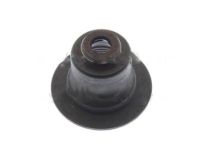
Related Ford Fusion Parts
 Ford Fusion Oil Filter
 Ford Fusion Engine Mount
 Ford Fusion Cylinder Head
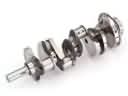 Ford Fusion Crankshaft
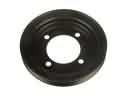 Ford Fusion Crankshaft Pulley
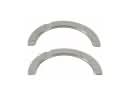 Ford Fusion Crankshaft Thrust Washer
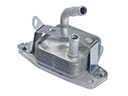 Ford Fusion Engine Oil Cooler
 Ford Fusion Intake Valve
 Ford Fusion Oil Pump Gasket
 Ford Fusion Rocker Arm
 Ford Fusion Timing Cover Gasket
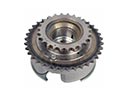 Ford Fusion Variable Timing Sprocket