FordParts
My Garage
My Account
Cart
OEM Ford Mustang Radiator fan
Radiator Cooling Fan- Select Vehicle by Model
- Select Vehicle by VIN
Select Vehicle by Model
orMake
Model
Year
Select Vehicle by VIN
For the most accurate results, select vehicle by your VIN (Vehicle Identification Number).
15 Radiator fans found
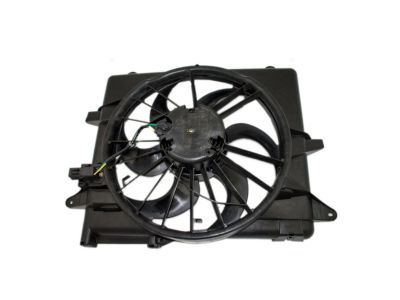
Ford Mustang Fan Assembly Part Number: DR3Z-8C607-C
$590.21 MSRP: $980.00You Save: $389.79 (40%)Ships in 1-2 Business Days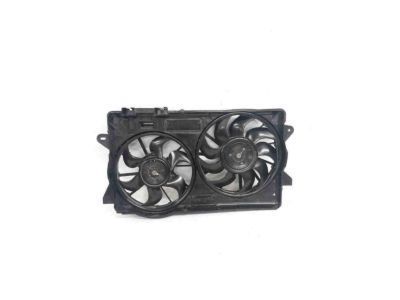
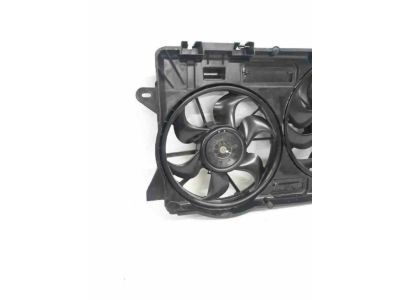
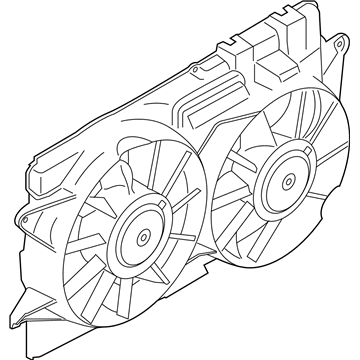
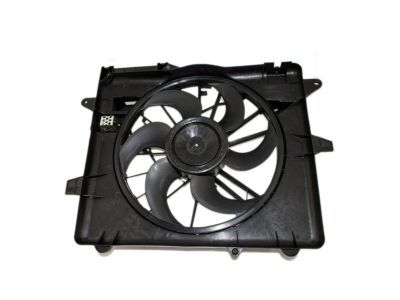
Ford Mustang Fan Assembly, Front Part Number: FR3Z-8C607-B
$244.19 MSRP: $405.45You Save: $161.26 (40%)Ships in 1-2 Business Days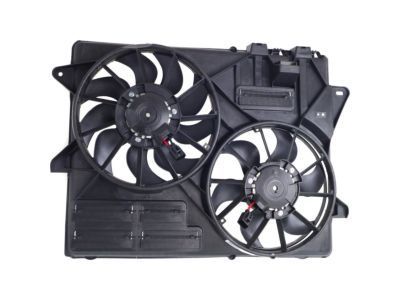
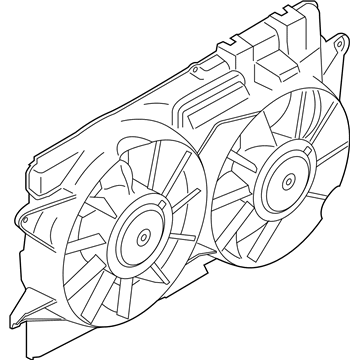
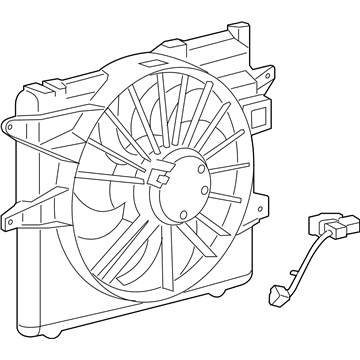
Ford Mustang Fan Assembly, Front Part Number: FR3Z-8C607-A
$287.99 MSRP: $478.18You Save: $190.19 (40%)Ships in 1-2 Business Days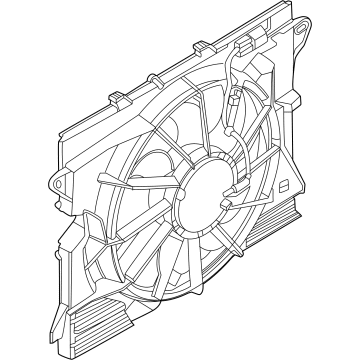
Ford Mustang Fan Assembly Part Number: PR3Z-8C607-B
$325.22 MSRP: $540.00You Save: $214.78 (40%)
Ford Mustang Fan Assembly Part Number: PR3Z-8C607-A
$435.81 MSRP: $723.64You Save: $287.83 (40%)Ships in 1-2 Business Days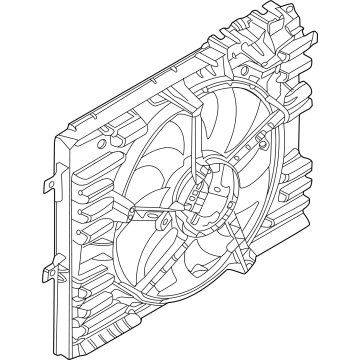
Ford Mustang Fan Assembly, Front Part Number: KR3Z-8C607-A
$720.51 MSRP: $1196.36You Save: $475.85 (40%)Ships in 1-3 Business Days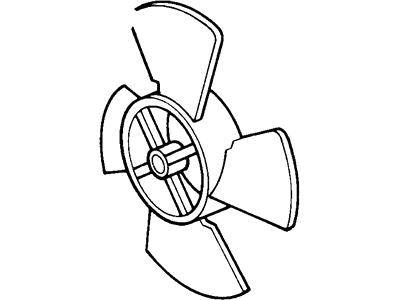
Ford Mustang Fan Blade Part Number: E1ZZ8600B
$49.50 MSRP: $67.36You Save: $17.86 (27%)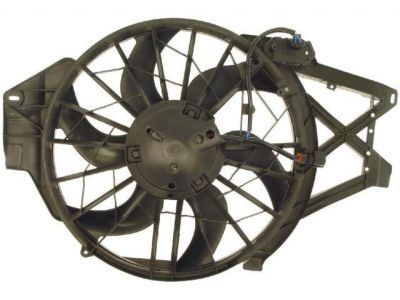
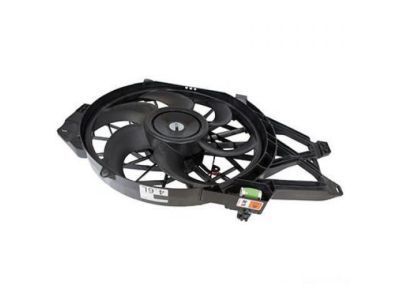
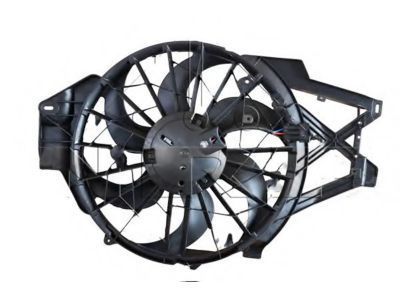
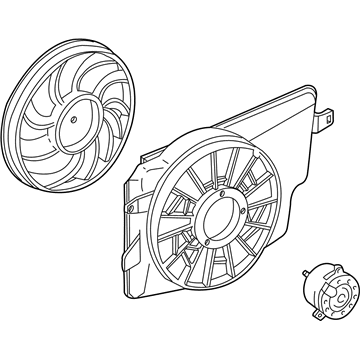
Ford Mustang Fan Module Part Number: 3R3Z-8C607-AA
Ford Mustang Fan Shroud Part Number: F5ZZ-8C607-A
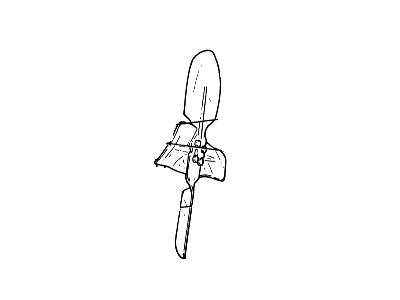
Ford Mustang Fan Blade Part Number: F3ZZ-8600-A
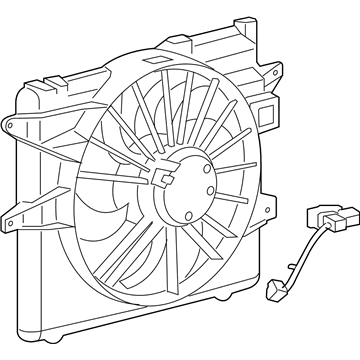
Ford Mustang Fan Assembly Part Number: DR3Z-8C607-D
$175.19 MSRP: $278.18You Save: $102.99 (38%)Ford Mustang Fan Assembly Part Number: YR3Z-8C607-AB
Ford Mustang Fan Assembly Part Number: F7ZZ8C607BB
Ford Mustang Fan Assembly Part Number: F5ZZ-8C607-B
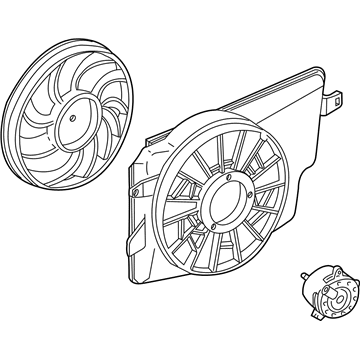
Ford Mustang Fan Assembly Part Number: 3R3Z-8C607-A
Ford Mustang Radiator fan
OEM Radiator fan boasts unmatched quality. Each part goes through full quality checks. They adhere to Ford's official factory standards. These steps remove flaws and inconsistencies. So you can get Radiator fan with long life and a perfect fit. Come to our website and find genuine Ford Mustang parts. We keep a wide inventory of OEM Mustang parts at the highly affordable prices. It's easy to search, compare, and pick what you need. You'll love the clear info and simple checkout. We offer top-rated customer service, and we reply fast. We also ship promptly to ensure your order arrives on time.
The Ford Mustang Radiator fan helps with great engine temperature control and pulls air through the radiator while driving slowly. The Radiator fan resides behind the grille in a molded shroud and employs an electric motor that activates only when the coolant heats up, ensuring that airflow remains powerful without any wastage of power, which supports the spirited V8 revs of the Mustang. The Radiator fan shields gaskets, hoses, and oil from overheating by maintaining consistent heat removal. Consequently, every Ford pony car delivers consistent throttle response on the streets. A well-functioning Radiator fan prevents sudden overheating when a modern Ford Mustang crawls in traffic. The 1964 Mustang was as compact as the hardware it borrowed from an earlier compact model. The available 260 and 289 cubic inch V8 engines were especially popular with drivers, delivering roaring power above 160 horses. The 5.0 liter V8 gave a blending of torque and surprising fuel thrift in the 1980s. The update in 1994 offered sharper styling and the choice of either a 3.8 V6 or the same 5.0L V8. Ford stiffened the Mustang chassis with a new platform in 2005. This made cornering precise. The engine was a 4.6-liter V8, which produces 300 horsepower. The current version builds on this idea with an aluminum 5.0 that gives you breathtaking acceleration and everyday reliability. To install, park safely, disconnect the battery, remove the shroud and old unit, fit the new fan, reconnect parts, and test operation.
Related Ford Mustang Parts
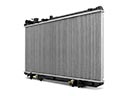 Ford Mustang Radiator
 Ford Mustang Radiator Cap
 Ford Mustang Thermostat Housing
 Ford Mustang Water Pump
 Ford Mustang Coolant Reservoir Cap
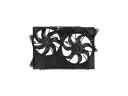 Ford Mustang Cooling Fan Assembly
 Ford Mustang Cooling Hose
 Ford Mustang Fan Blade
 Ford Mustang Power Steering Cooler
 Ford Mustang Radiator Hose
 Ford Mustang V-Belt
 Ford Mustang Water Hose