FordParts
My Garage
My Account
Cart
OEM Ford Ranger Starter Solenoid
Starter Solenoid Relay- Select Vehicle by Model
- Select Vehicle by VIN
Select Vehicle by Model
orMake
Model
Year
Select Vehicle by VIN
For the most accurate results, select vehicle by your VIN (Vehicle Identification Number).
1 Starter Solenoid found
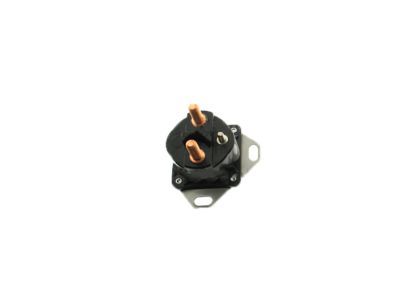
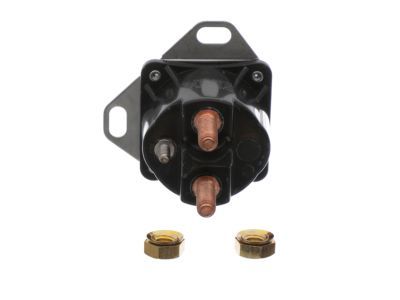
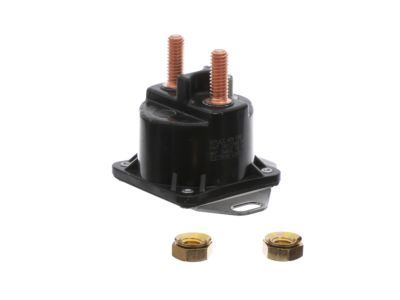
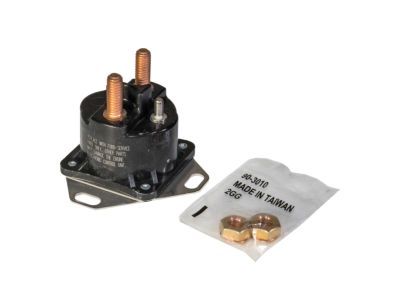
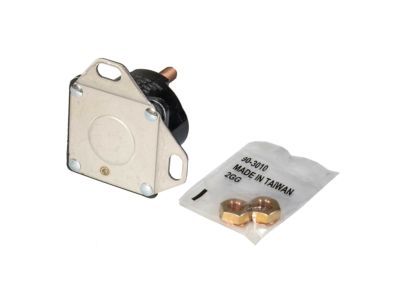
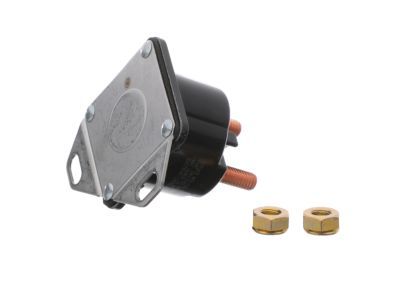
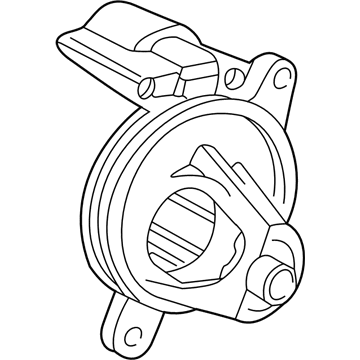
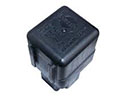
Ford Ranger Starter Solenoid Part Number: E9TZ-11450-B
$24.27 MSRP: $38.55You Save: $14.28 (38%)Ships in 1 Business Day
Ford Ranger Starter Solenoid
OEM Starter Solenoid boasts unmatched quality. Each part goes through full quality checks. They adhere to Ford's official factory standards. These steps remove flaws and inconsistencies. So you can get Starter Solenoid with long life and a perfect fit. Come to our website and find genuine Ford Ranger parts. We keep a wide inventory of OEM Ranger parts at the highly affordable prices. It's easy to search, compare, and pick what you need. You'll love the clear info and simple checkout. We offer top-rated customer service, and we reply fast. We also ship promptly to ensure your order arrives on time.
In the Ford Ranger, the Starter Solenoid fires the starter motor instantly. The Starter Solenoid is located close to the engine. Its internal plunger has heavy electrical contacts that are interconnected to battery power for the starter. This means that a small ignition signal is controlling a much larger flow. When the current stops, the contacts spring apart. This protects the circuit from heat. The reliability of the Starter Solenoid activation means jump starts are rare, so every Ranger trip starts easily. When the Ranger's electric system is healthy, it makes this device run all day in mud, cold, and commuting. Aside from the switch itself, the Ford pickup will put a lot on your side as the Ford built 2.3-liter turbo engine pumps out 270 horsepower and 310 lb-ft of torque for swift acceleration while the ten-speed automatic keeps revs down for good mileage. With a towing capacity of up to 7,500 pounds, the Ford Ranger has a leaf spring rear suspension and independent front setup that works well for assured handling on washboard trails. Four-wheel drive boosts grip on wet pavement or rocky climbs. Modern services like lane keeping assist and pre-collision assist further instill confidence, while durable steel frame construction quiets the cabin on long trips, making sure that all Rangers feel tough yet comfortable. To install a new Starter Solenoid, you need to remove the negative battery lead, unbolt then label wires on the old unit, screw on the replacement, reconnect leads, then switch back on the battery and look for a crisp crank.