FordParts
My Garage
My Account
Cart
OEM Mercury Brake Caliper Piston
Brake Caliper Cylinder- Select Vehicle by Model
- Select Vehicle by VIN
Select Vehicle by Model
orMake
Model
Year
Select Vehicle by VIN
For the most accurate results, select vehicle by your VIN (Vehicle Identification Number).
12 Brake Caliper Pistons found

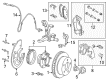
Mercury Caliper Piston, Front Part Number: F8VZ-2196-AA
$9.89 MSRP: $13.69You Save: $3.80 (28%)Ships in 1-2 Business DaysProduct Specifications- Other Name: Piston; Brake Caliper Repair Kit; Brake Caliper Piston
- Manufacturer Note: Front-dual piston
- Position: Front
Mercury Caliper Piston Part Number: YL8Z-2194-AA
Product Specifications- Other Name: Piston; Brake Caliper Repair Kit; Brake Caliper Piston
- Replaced by: GU2Z-2V120-KRM
Mercury Caliper Piston Part Number: F5TZ2196A
Product Specifications- Other Name: Piston; Brake Caliper Piston
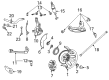
Mercury Caliper Piston Part Number: F57Z-2196-A
Product Specifications- Other Name: Piston; Brake Caliper Repair Kit; Brake Caliper Piston
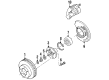
Mercury Caliper Piston Part Number: F3XY-2196-A
Product Specifications- Other Name: Piston; Brake Caliper Repair Kit; Brake Caliper Piston
- Manufacturer Note: Piston asy. (caliper)
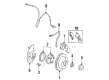
Mercury Caliper Piston Part Number: F3VY2196A
Product Specifications- Other Name: Piston; Brake Caliper Repair Kit; Brake Caliper Piston
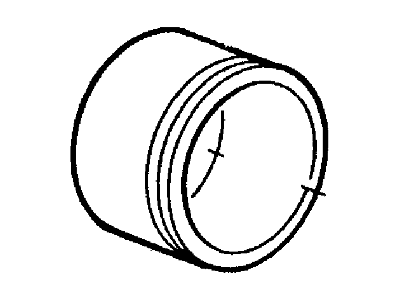
Mercury Caliper Piston Part Number: F3SZ2196A
Product Specifications- Other Name: Piston; Brake Caliper Repair Kit; Brake Caliper Piston
Mercury Caliper Piston, Front Part Number: F3OY-2196-A
Product Specifications- Other Name: Piston; Brake Caliper Repair Kit; Brake Caliper Piston
- Manufacturer Note: Front - 66mm diameter
- Position: Front
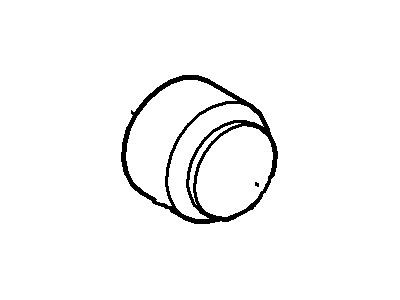
Mercury Caliper Piston Part Number: F3DZ-2B588-A
Product Specifications- Other Name: Piston; Brake Caliper Piston
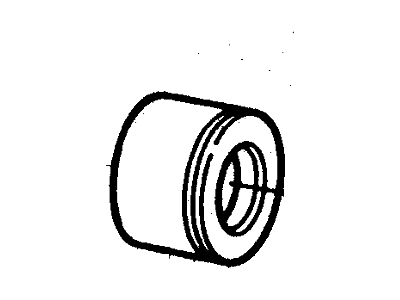
Mercury Caliper Piston Part Number: E1AZ2196A
Product Specifications- Other Name: Piston; Brake Caliper Repair Kit; Brake Caliper Piston
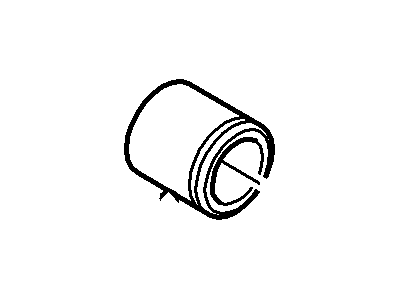
Mercury Caliper Piston Part Number: 3F2Z-2194-AA
Product Specifications- Other Name: Piston; Brake Caliper Repair Kit; Brake Caliper Piston
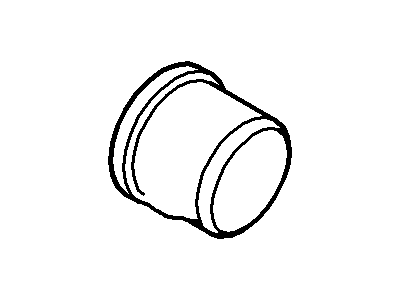
Mercury Caliper Piston Part Number: 1L5Z-2194-AA
Product Specifications- Other Name: Piston; Brake Caliper Repair Kit; Brake Caliper Piston
- Manufacturer Note: Piston asy. - (brake caliper)
Mercury Brake Caliper Piston
If you own Mercury and want to keep it in top shape, choosing OEM Brake Caliper Piston is a smart move. They are precisely engineered and follow strict factory standards. They are made in advanced facilities that use cutting edge technology. Each part goes through thorough testing to confirm strength and safety, so you can trust it. FordPartsDeal.com gives you genuine Mercury Brake Caliper Piston at some of the affordable online prices without cutting quality. Every OEM Mercury part includes the manufacturer's warranty, easy returns, and super-fast delivery. So why wait? Shop now and get your vehicle back to peak condition.
Mercury Brake Caliper Piston turns the pressure on the pedal into the exact pad clamping to provide drivers with confident and smooth stops. Mercury cars have incorporated hard lines with smooth ride that cushions passengers against bad roads since 1939, a legacy that expanded with models such as the Cougar and the Grand Marquis. The Mercury cabins were peaceful and roomy inside and the suspensions provided moderated control, showing that the Mercury could combine comfort with price. It was named after the fast Roman messenger and became famous in its own showrooms, where it constantly disclosed some useful innovations to make everyday driving more pleasant. Even after termination of production in 2011, Mercury has retained its faithful customers who love its robust construction and considerate details. The Brake Caliper Piston is a powerful, finely machined cylinder, which fits over the bore of the caliper and converts the hydraulic force to uniform friction without heat or corrosion. Installation of a new Brake Caliper Piston requires cleaning the caliper bore, piston, and the area around it and inspecting it to check whether it has been scored or pitted. Install the square-cut seal and dust boot and lubricate them with fresh brake fluid and install them in a straight line with the Brake Caliper Piston and press it back in with a wind-back or clamp tool. Install it in the groove of the boot, reconnect the caliper, install the fasteners to the required specifications, reconnect the hose, bleed the system, ensure there are no leaks, and ensure that the Mercury Brake Caliper Piston is free to move and the pads are centered on the rotor.
Related Mercury Parts
 Mercury ABS Relay
 Mercury Brake Booster
 Mercury Brake Caliper
 Mercury Brake Caliper Bolt
 Mercury Brake Caliper Bracket
 Mercury Brake Caliper Repair Kit
 Mercury Brake Controller
 Mercury Brake Fluid Pump
 Mercury Brake Pads
 Mercury Suspension Strut Rod
 Mercury Wheel Bearing
 Mercury Wheel Stud