FordParts
My Garage
My Account
Cart
OEM Mercury Mariner Fuel Rail
Engine Fuel Rail- Select Vehicle by Model
- Select Vehicle by VIN
Select Vehicle by Model
orMake
Model
Year
Select Vehicle by VIN
For the most accurate results, select vehicle by your VIN (Vehicle Identification Number).
6 Fuel Rails found
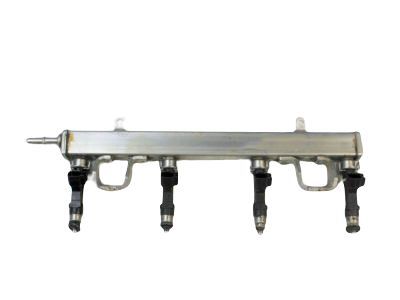
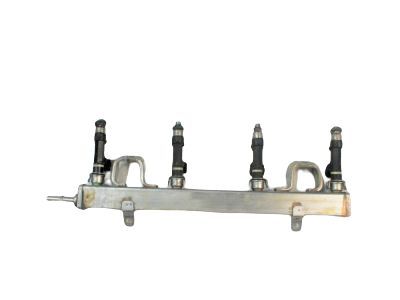
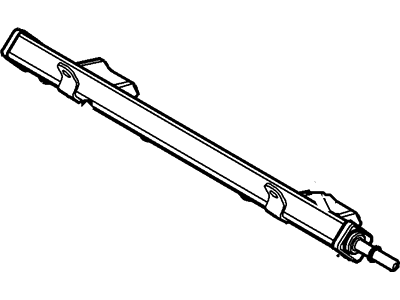
Mercury Mariner Fuel Rail Part Number: 6M8Z-9D280-C
$86.91 MSRP: $138.00You Save: $51.09 (38%)Ships in 1-3 Business Days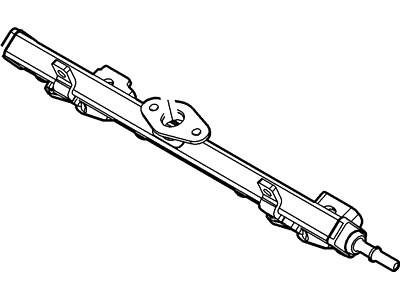
Mercury Mariner Fuel Rail Part Number: 5L8Z-9D280-AA
$172.32 MSRP: $238.38You Save: $66.06 (28%)Ships in 1-2 Business Days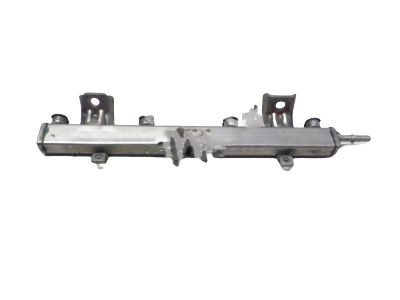
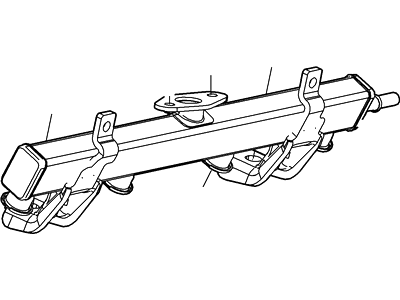
Mercury Mariner Fuel Rail Part Number: 5L8Z-9D280-AE
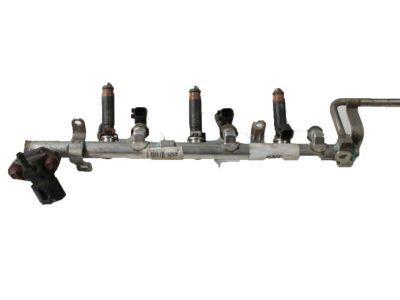
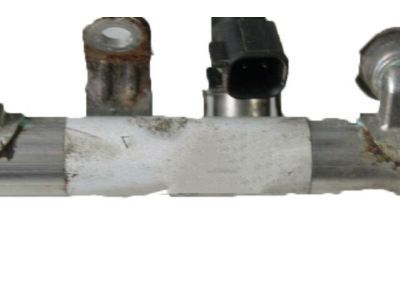
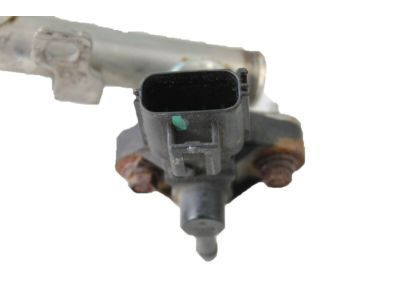
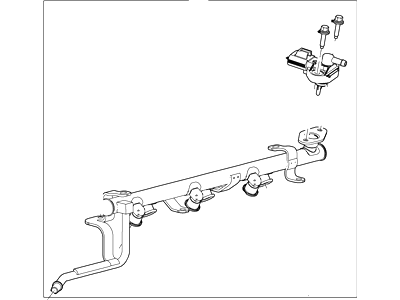
Mercury Mariner Fuel Rail Part Number: 4L8Z-9F792-BE
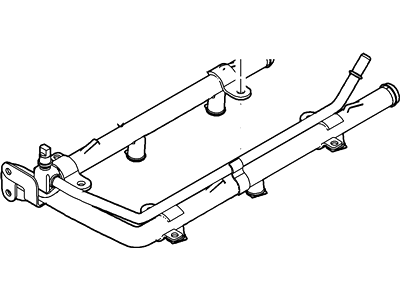
Mercury Mariner Fuel Rail Part Number: 9L8Z-9F792-B
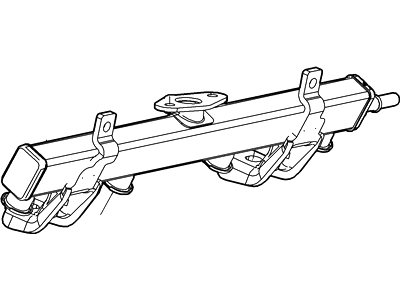
Mercury Mariner Fuel Rail Part Number: 5L8Z-9D280-A
Mercury Mariner Fuel Rail
OEM Fuel Rail boasts unmatched quality. Each part goes through full quality checks. They adhere to Mercury's official factory standards. These steps remove flaws and inconsistencies. So you can get Fuel Rail with long life and a perfect fit. Come to our website and find genuine Mercury Mariner parts. We keep a wide inventory of OEM Mariner parts at the highly affordable prices. It's easy to search, compare, and pick what you need. You'll love the clear info and simple checkout. We offer top-rated customer service, and we reply fast. We also ship promptly to ensure your order arrives on time.
Mercury Mariner Fuel Rail Parts and Q&A
- Q:What precautions should be taken when servicing the fuel rail to avoid personal injury and ensure proper installation on Mercury Mariner?A:The presence of highly flammable mixtures requires that you prevent both smoking and open flames when working on the fuel rail because this can cause personal injuries. To prevent injuries the fuel system pressure must be reduced completely before performing any work on fuel tubes or components when the engine is not running. Start your procedure by emptying the fuel pressure after disconnecting the cable that grounds the battery. The procedure starts with removing the fuel supply tube quick connect coupling from the fuel rail before proceeding to remove the fuel rail pressure and temperature vacuum tube and electrical connector. First remove all four Fuel Injector electrical connectors before unfastening the two fuel rail bolts and finally disconnecting wire retainers from the fuel rail. Utility technicians should handle the fuel rail with its attached injectors as one unit while also removing installed spacers if their vehicle model has them. Dispose of the eight fuel injector O-ring seals which need to be removed first. New fuel-resistant O-ring seals are essential for installation since regular O-rings will leak when used; the installation process must not include reusing old seals. The installer should apply clean engine oil onto new O-rings before placing the fuel injectors together with their retainer clips in position. The original spacers for the fuel rail should be positioned before the fuel rail assembly including injectors goes into place. After installing the fuel rail bolts with a torque of 23 Nm (17 lb-ft) users must replace the wiring retainers. Connect the fuel injector electrical connectors before attaching the fuel rail pressure vacuum tube alongside its electrical connector. Afterward connect the fuel supply tube quick connect coupling at the fuel rail and the battery ground cable.
Related Mercury Mariner Parts
 Mercury Mariner Fuel Filter
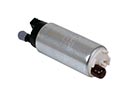 Mercury Mariner Fuel Pump
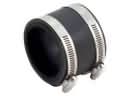 Mercury Mariner Air Intake Coupling
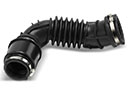 Mercury Mariner Air Intake Hose
 Mercury Mariner Fuel Filler Hose
 Mercury Mariner Fuel Filler Neck
 Mercury Mariner Fuel Injector
 Mercury Mariner Fuel Pressure Sensor
 Mercury Mariner Fuel Tank Lock Ring
 Mercury Mariner Fuel Tank Strap
 Mercury Mariner Idle Control Valve
 Mercury Mariner Throttle Cable