FordParts
My Garage
My Account
Cart
OEM Mercury Steering Angle Sensor
Steering Column Angle Position Sensor- Select Vehicle by Model
- Select Vehicle by VIN
Select Vehicle by Model
orMake
Model
Year
Select Vehicle by VIN
For the most accurate results, select vehicle by your VIN (Vehicle Identification Number).
3 Steering Angle Sensors found
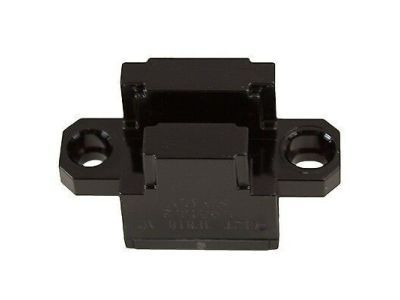
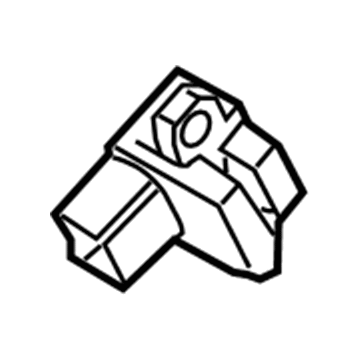
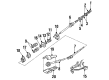
Mercury Angle Sensor Part Number: 6L2Z-3F818-AA
$156.87 MSRP: $228.33You Save: $71.46 (32%)Product Specifications- Other Name: Sensor - Steering Rotation; Wheel Position, Yaw, Speed, and Angle Sensors.; Steering Sensor Assembly; Sensor
- Manufacturer Note: Steering Angle
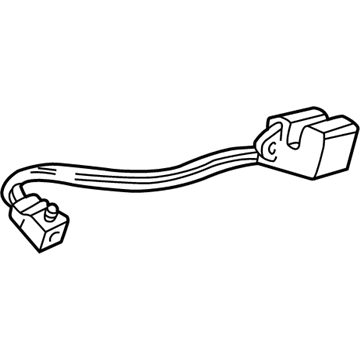
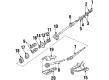
Mercury Position Sensor, Rear Part Number: F6SZ-18B015-AA
Product Specifications- Other Name: Sensor - Steering Rod; Steering Wheel Speed Sensor
- Position: Rear
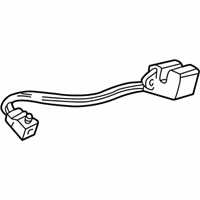
Mercury Height Sensor Part Number: F6AZ-18B015-AA
Product Specifications- Other Name: Sensor - Steering Rod; Ride Height Sensor; Sensor - Steering Rotation
- Manufacturer Note: Steering column mounted
Mercury Steering Angle Sensor
If you own Mercury and want to keep it in top shape, choosing OEM Steering Angle Sensor is a smart move. They are precisely engineered and follow strict factory standards. They are made in advanced facilities that use cutting edge technology. Each part goes through thorough testing to confirm strength and safety, so you can trust it. FordPartsDeal.com gives you genuine Mercury Steering Angle Sensor at some of the affordable online prices without cutting quality. Every OEM Mercury part includes the manufacturer's warranty, easy returns, and super-fast delivery. So why wait? Shop now and get your vehicle back to peak condition.
Mercury Steering Angle Sensor automatically supplies data of the wheel position continuously to ensure braking and traction assistance remain sharp. It was established in 1939, when Mercury combined sleek-riding middle-size bodies with styling that contrasted with the dull traffic, giving the family the ability to enjoy the quiet cabins without having to pay luxury-car prices. Mercury continued to adjust the suspensions until the potholes were the sensation of ripples and the broad seats and heavy seals made long journeys pleasant walks to first roaders and grandparents alike. Mercury once again was toying with muscle as it rolled out the Cougar, but never forgot road manners by pacing price with punch so drivers felt as though they were getting something other than gimmicks or glitter. Mercury eventually exited the showrooms in 2011, but its reputation of easy steering and smooth ride continues to drive the demand for replacement parts that can celebrate the same combination of comfort and control. A Steering Angle Sensor is located at the back of the hub of the wheel, measures the degree of steering, and transmits the data to stability control in milliseconds to allow the car to reduce power or throttle brakes before it skids out. The Steering Angle Sensor, applied together with the yaw and wheel-speed inputs, allows the computer to make the steering gentle when in the parking lot, but stiffer when on the highway, giving novice and veteran drivers the same reliable steering wheel. A healthy Steering Angle Sensor joins forces with power assist to ease the load on gravel but tighten it on asphalt, reducing fatigue without killing feedback. Since the Steering Angle Sensor is installed as a part of common vehicle networks, it will simply slip into aging dashboards without wiring drama to maintain the old metal straight.
Mercury Steering Angle Sensor Parts and Q&A
- Q:How to service and repair the steering angle sensor on Mercury Grand Marquis?A:The first step to service and repair the steering angle sensor requires removal of screws followed by sound panel as well as finish panel and knee bolster and bracket. Unscrew the sensor and cut off the wiring connections prior to removing the sensor by taking out its retaining screws. When installing the new sensor follow the opposite steps used for removal and reposition the parts in their natural order.
- Q:How to service and repair the steering angle sensor on Mercury Mountaineer?A:The service process for the steering angle sensor starts with removing all three bolts controlling the lower steering column cover together with the attached cover. After you have removed the three lower steering column cover bolts start the process of removing the upper steering column cover. Remove the two securing bolts on the steering wheel rotation sensor by disconnecting its electrical connector and pull out the complete sensor unit. The installation completion requires performing all steps in reverse order from removal.
Related Mercury Parts
 Mercury Power Steering Pump
 Mercury Power Steering Hose
 Mercury Steering Wheel
 Mercury Rack & Pinion Bushing
 Mercury Rack And Pinion
 Mercury Rack and Pinion Boot
 Mercury Shift Interlock Solenoid
 Mercury Steering Column Seal
 Mercury Steering Gear Box
 Mercury Steering Shaft
 Mercury Tie Rod
 Mercury Upper Steering Column Bearing