FordParts
My Garage
My Account
Cart
Air Conditioner
2003 Ford Ranger Evaporator, A/C Hose
Currently shopping for
2003 Ford Ranger
Change VehicleCategories Close X
Currently selected
A/C & Heating
Other Categories
Air & Fuel Delivery
Belts & Cooling
Body & Hardware
Brakes
Charging & Starting
Driveline & Axles
Electrical
Emission Control & Exhaust
Engine
Headlights & Lighting
Interior & Exterior Trim
Maintenance & Lubrication
Steering
Suspension
Transmission
How to use OE catalog
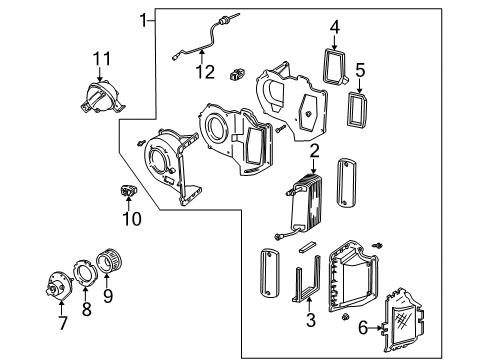
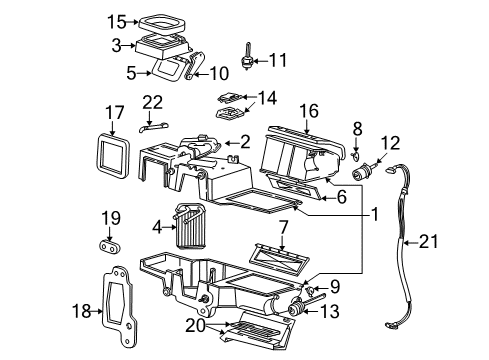
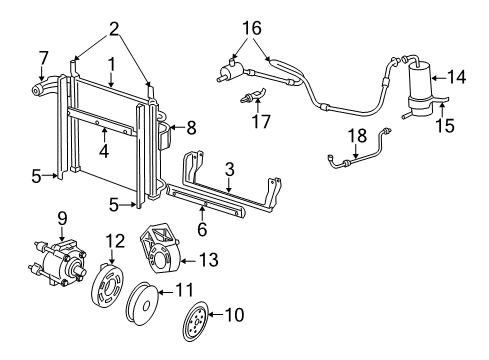
Diagram (1 of 1): Air Conditioner & Heater - Condenser, Compressor & Lines
Sort by:
Ref No.
Ref No.
Part No. & Part Description
Price & Qty.
Part No. &
Part Description
Part Description
- 1
- 2
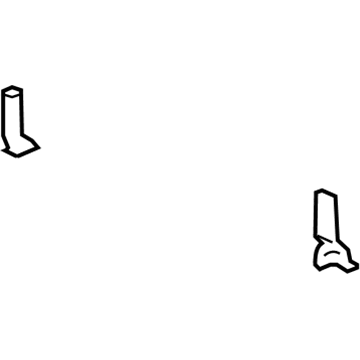 F87Z-19B594-AA
BracketCondenser Mount Bracket- Part Notes: 1998-03, Upper
- Location: Driver Side;Passenger Side
- 3
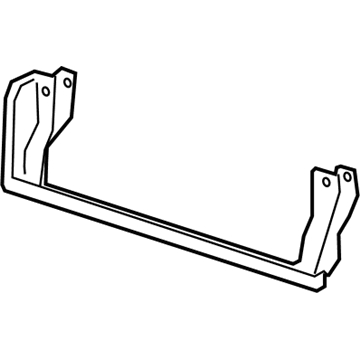
- 4
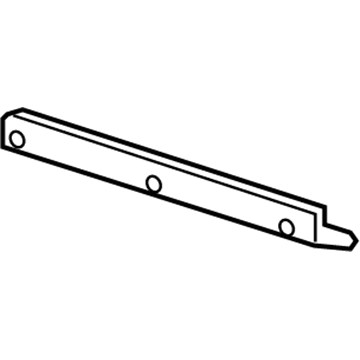
- 5
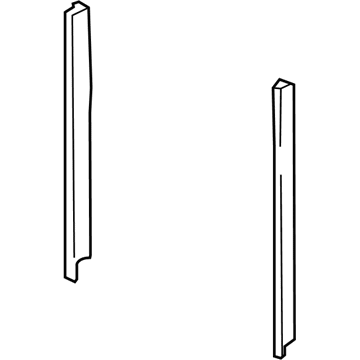 MSRP: $53.00 Your Price: $37.051
 - 5
- 6
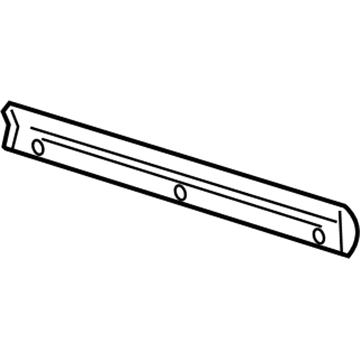 MSRP: $19.50 Your Price: $14.331
- 9
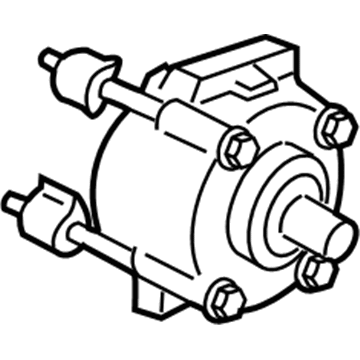
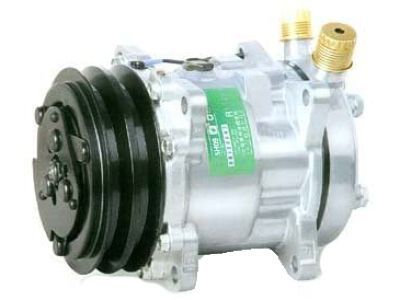
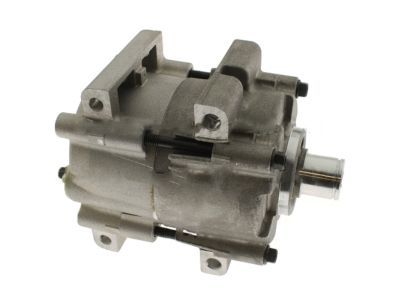 MSRP: $367.27 Your Price: $221.191
- 10
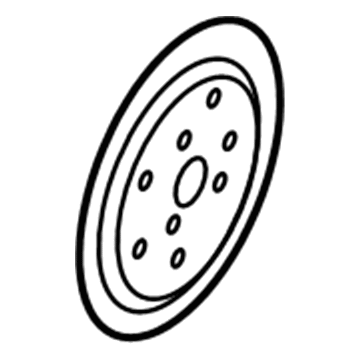
- 10MSRP: $131.00 Your Price: $81.211
- 11
 MSRP: $153.40 Your Price: $95.081
- 12
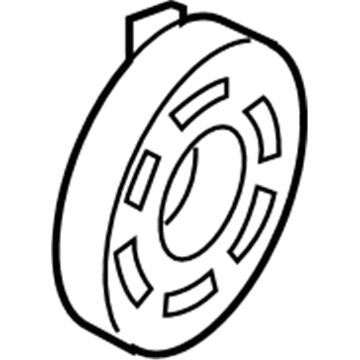 MSRP: $125.45 Your Price: $74.731
- 13
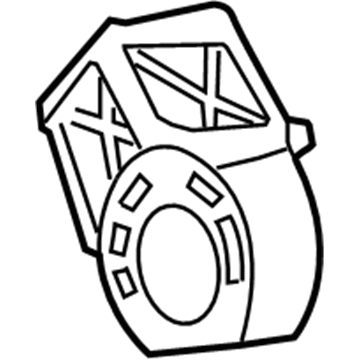
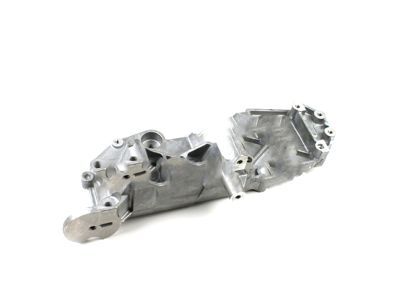 MSRP: $176.37 Your Price: $121.161
 - 13
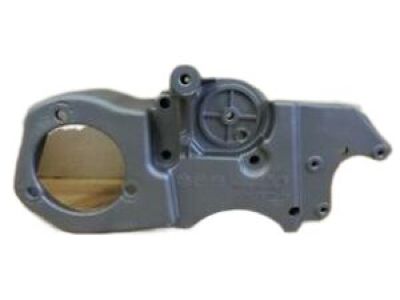
- 13
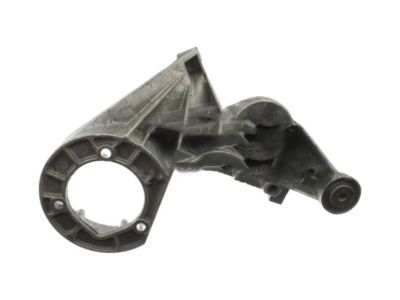
- 14
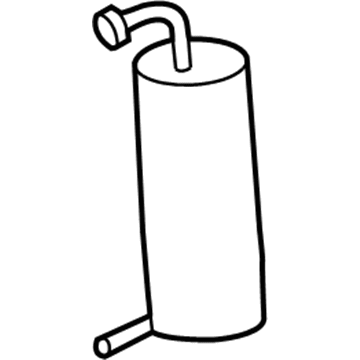
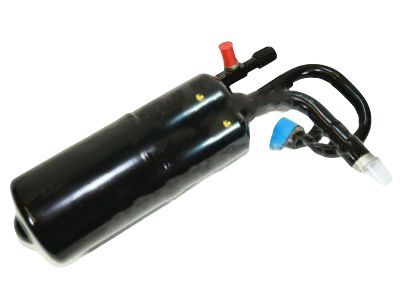 MSRP: $105.09 Your Price: $63.871
- 15
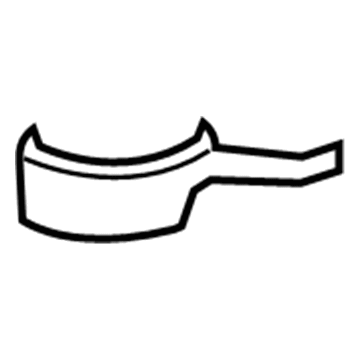 MSRP: $70.85 Your Price: $51.211
- 16
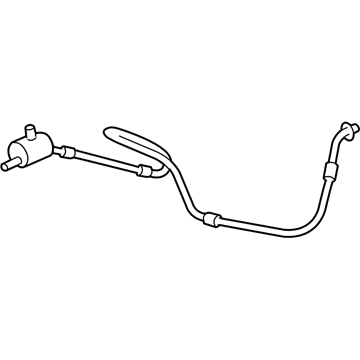 MSRP: $143.27 Your Price: $87.07
 - 16MSRP: $151.82 Your Price: $92.271
- 16AL5Z-19D850-D
Manifold And Tube Assembly - Air ConditioningHose & Tube Assembly- Part Notes: 1998-03, 4.0L
MSRP: $207.27 Your Price: $125.971
- 17
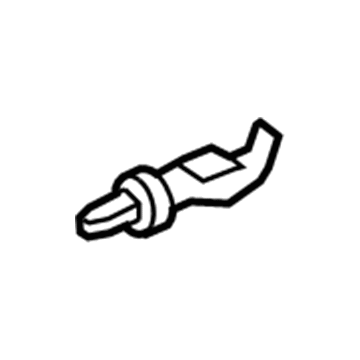
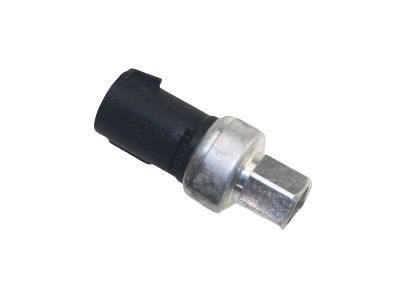
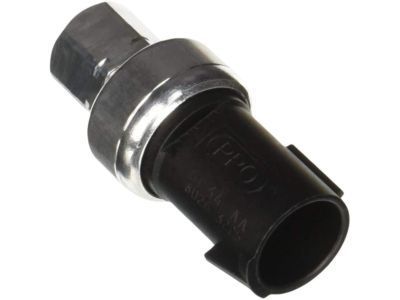
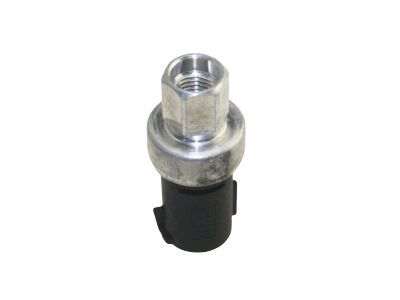
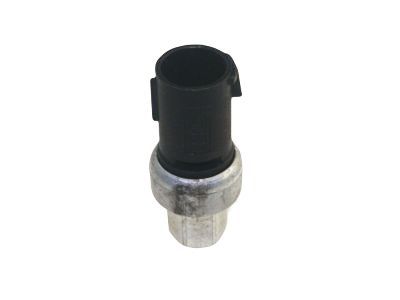 MSRP: $86.24 Your Price: $52.411
- 18
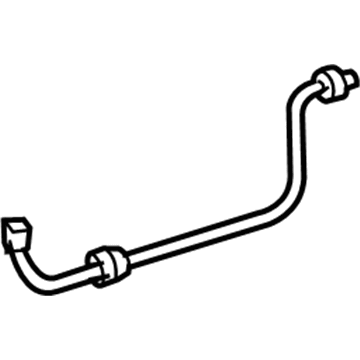
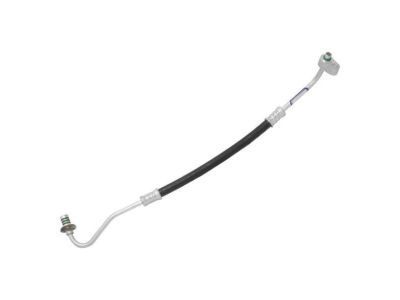 MSRP: $60.00 Your Price: $37.791
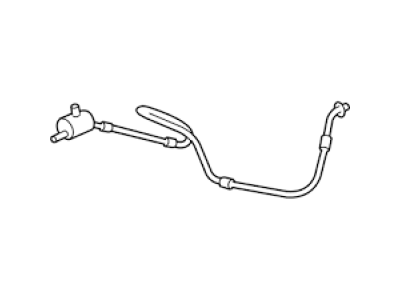
OEM 2003 Ford Ranger Parts for Air Conditioner
Genuine OEM 2003 Ford Ranger parts are made using the original design, the high standards, in the Ford official factories, and all of these ensure that they always fit perfectly and easily. FordPartsDeal.com is a trusted source for finding these authentic OEM Air Conditioner parts at very competitive prices. Our professional team is here to help you choose the right 2003 Ford Ranger Evaporator, A/C Hose, and our fast delivery options ensure that your parts are always delivered quickly.
A/C Hose, Evaporator Installation and Repair Tips for 2003 Ford Ranger
- Q:How to Service and Repair the A/C Hose from Compressor to Condenser in the HVAC System on 2003 Ford Ranger?A:To service HVAC compressor discharge line, recover the refrigerant, disconnect the compressor manifold, air cleaner outlet tube and disconnect the air cleaner outlet tube. Use screws to remove discharge line off the condenser core and access the condenser. In order to install, the steps must be reversed, lubricated with clean PAG oil, and new O-ring seals installed. Lastly, evacuate, leak test and charge.
- Q:How is the evaporator core serviced and what steps should be taken if a leak is suspected on 2003 Ford Ranger?A:The evaporator core is serviced with the housing assembly, as it is not separately serviceable. Replacement of the suction accumulator is unnecessary unless there is evidence of contamination or damage. If a leak is suspected, it must be tested before removal. Then, transfer components to the new housing and install it.