FordParts
My Garage
My Account
Cart
OEM Ford E-250 Econoline Axle Shaft
Car Axle Shaft- Select Vehicle by Model
- Select Vehicle by VIN
Select Vehicle by Model
orMake
Model
Year
Select Vehicle by VIN
For the most accurate results, select vehicle by your VIN (Vehicle Identification Number).
16 Axle Shafts found
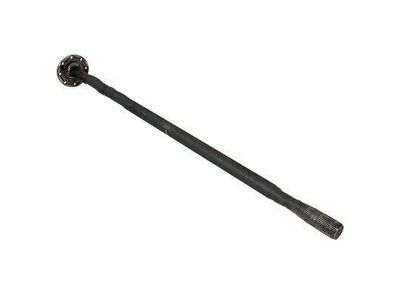
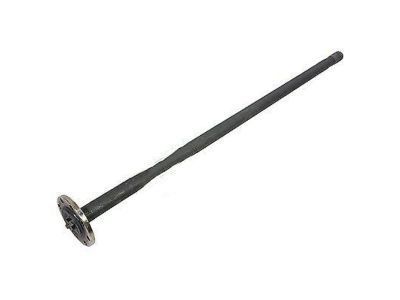
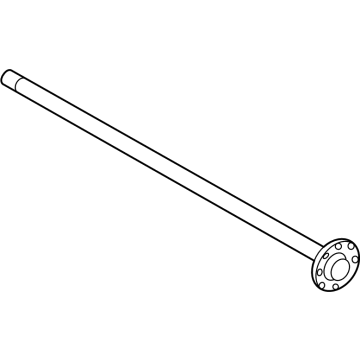
Ford E-250 Econoline Axle Shaft, Rear Driver Side Part Number: YC2Z-4234-AB
$206.00 MSRP: $302.50You Save: $96.50 (32%)Ford E-250 Econoline Axle Shaft, Rear Passenger Side Part Number: YC2Z-4234-AA
$204.04 MSRP: $297.00You Save: $92.96 (32%)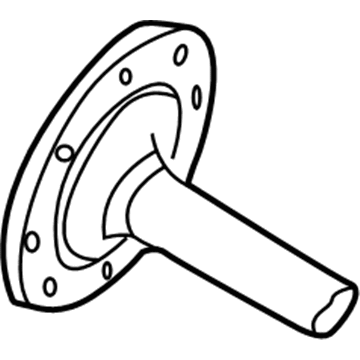
Ford E-250 Econoline Axle Shaft, Rear Driver Side Part Number: F5UZ-4234-B
$334.60 MSRP: $491.33You Save: $156.73 (32%)
Ford E-250 Econoline Axle Shaft, Rear Driver Side Part Number: YC2Z-4234-CB
$219.03 MSRP: $303.01You Save: $83.98 (28%)Ships in 1-2 Business Days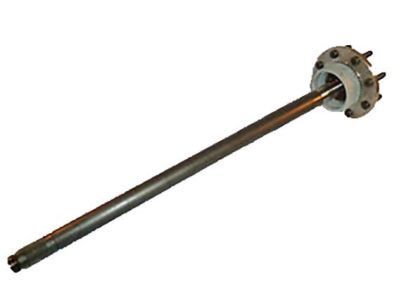
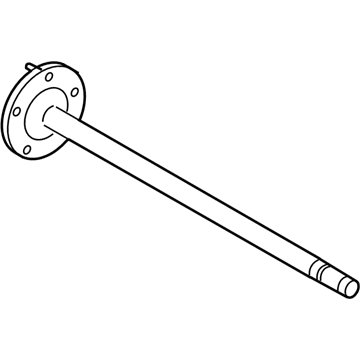
Ford E-250 Econoline Axle Shaft, Rear Driver Side Part Number: F8UZ-4234-AB
$330.85 MSRP: $485.83You Save: $154.98 (32%)
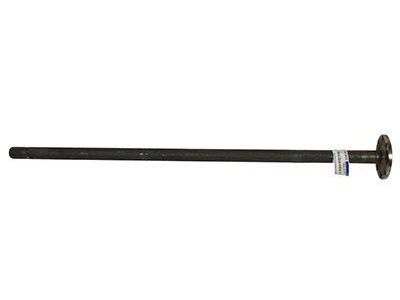
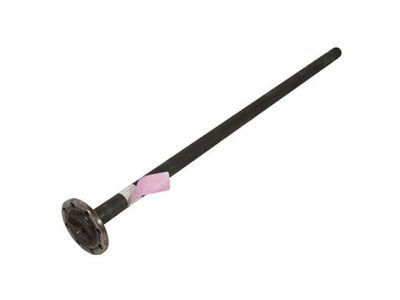
Ford E-250 Econoline Axle Shaft, Rear Passenger Side Part Number: F2UZ-4234-A
$153.43 MSRP: $223.33You Save: $69.90 (32%)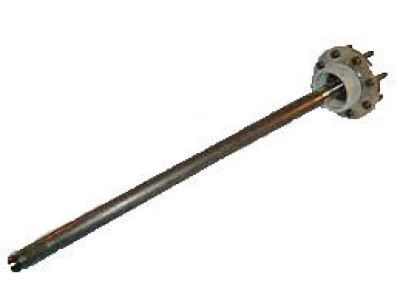
Ford E-250 Econoline Axle Shaft, Rear Passenger Side Part Number: F8UZ-4234-AA
$329.60 MSRP: $484.00You Save: $154.40 (32%)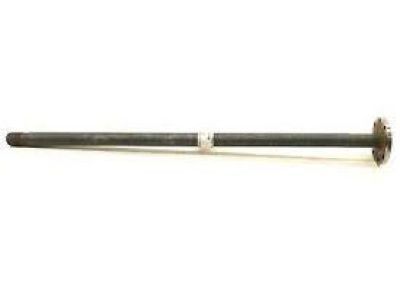
Ford E-250 Econoline Axle Shaft, Rear Driver Side Part Number: F2UZ-4234-B
$163.74 MSRP: $238.33You Save: $74.59 (32%)Ford E-250 Econoline Axle Shaft, Rear Passenger Side Part Number: F5UZ-4234-A
$332.10 MSRP: $487.67You Save: $155.57 (32%)
Ford E-250 Econoline Axle Shaft
OEM Axle Shaft boasts unmatched quality. Each part goes through full quality checks. They adhere to Ford's official factory standards. These steps remove flaws and inconsistencies. So you can get Axle Shaft with long life and a perfect fit. Come to our website and find genuine Ford E-250 Econoline parts. We keep a wide inventory of OEM E-250 Econoline parts at the highly affordable prices. It's easy to search, compare, and pick what you need. You'll love the clear info and simple checkout. We offer top-rated customer service, and we reply fast. We also ship promptly to ensure your order arrives on time.
Ford E-250 Econoline Axle Shaft Parts and Q&A
- Q:How to service and repair the axle shaft on Ford E-250 Econoline?A:The axle shaft repair process begins by supporting the vehicle after it reaches proper height then removing the wheel and tire components. The service process begins by removing the differential housing cover before draining the lubricant and then proceeding to remove the Brake Drum. You should remove the differential pinion shaft after taking out the differential pinion shaft lock bolt and dislodging the pinion shaft from its place. Take care when removing the U-washer because damaging the rubber O-ring in the axle shaft groove can easily occur; insert the axle shaft to avoid this damage. Fold the axle shaft gently while taking it out from the housing without harming the wheel bearing oil seal. Installation requires Premium Long-Life Grease XG-1-C or equivalent lubricant under Ford specification ESA-M1C75-B to lubricate the wheel bearing oil seal lip. Then place the U-washer on the button-end of the axle shaft before pulling the axle shaft outward. You should use Threadlock@ and Sealer EOAZ-19554-AA or WSK-M2G351-A5 from Ford as equivalent models when installing the differential pinion shaft while not having access to a new lock bolt. Also coat the threads before lining up the shaft's hole with the case lock bolt hole. The first step entails installing a new differential pinion shaft lock bolt before adding the brake drum to its place. Reinstall the differential housing cover before adding 2.37 liters (5 pints) of Motorcraft Synthetic Rear Axle Lubricant F1TZ-19580-B or an equivalent product meeting Ford specification WSL-M2Cl 92-A. All wheel and wheel hub or brake drum mounting surfaces should be completely free of corrosion along with dirt and foreign materials to guarantee proper metal-to-metal contact that stops wheel detachment while driving. Install the rear wheel along with its tire component as the finishing step.
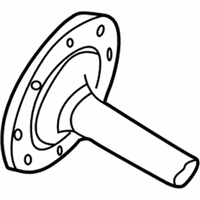
Related Ford E-250 Econoline Parts
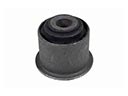 Ford E-250 Econoline Axle Pivot Bushing
 Ford E-250 Econoline Axle Support Bushings
 Ford E-250 Econoline Control Arm Bracket
 Ford E-250 Econoline Leaf Spring
 Ford E-250 Econoline Leaf Spring Shackle
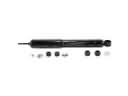 Ford E-250 Econoline Shock Absorber
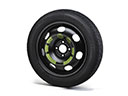 Ford E-250 Econoline Spare Wheel
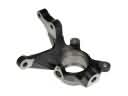 Ford E-250 Econoline Steering Knuckle
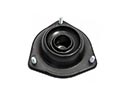 Ford E-250 Econoline Strut Mounts
 Ford E-250 Econoline Sway Bar Bracket
 Ford E-250 Econoline Sway Bars
 Ford E-250 Econoline Wheel Seal