FordParts
My Garage
My Account
Cart
OEM Ford E-250 Econoline Brake Drum
- Select Vehicle by Model
- Select Vehicle by VIN
Select Vehicle by Model
orMake
Model
Year
Select Vehicle by VIN
For the most accurate results, select vehicle by your VIN (Vehicle Identification Number).
5 Brake Drums found
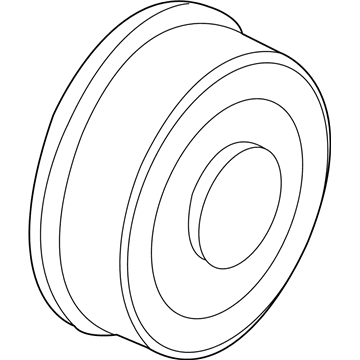
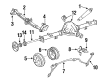
Ford E-250 Econoline Brake Drum Part Number: YL3Z-1V126-E
$88.39 MSRP: $133.32You Save: $44.93 (34%)Ships in 1-2 Business Days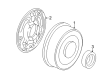
Ford E-250 Econoline Hub & Drum, Rear Part Number: 1C2Z-1V126-AB
$45.37 MSRP: $62.76You Save: $17.39 (28%)Ships in 1-2 Business Days
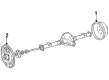
Ford E-250 Econoline Brake Drum, Rear Part Number: YC3Z-1V126-DA
Ford E-250 Econoline Brake Drum, Rear Part Number: YC2Z-1V126-BA
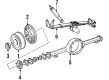
Ford E-250 Econoline Brake Drum, Rear Part Number: E4TZ1126D
Ford E-250 Econoline Brake Drum
OEM Brake Drum boasts unmatched quality. Each part goes through full quality checks. They adhere to Ford's official factory standards. These steps remove flaws and inconsistencies. So you can get Brake Drum with long life and a perfect fit. Come to our website and find genuine Ford E-250 Econoline parts. We keep a wide inventory of OEM E-250 Econoline parts at the highly affordable prices. It's easy to search, compare, and pick what you need. You'll love the clear info and simple checkout. We offer top-rated customer service, and we reply fast. We also ship promptly to ensure your order arrives on time.
Ford E-250 Econoline Brake Drum Parts and Q&A
- Q:How should asbestos fiber dust be handled safely when servicing the brake drum on Ford E-250 Econoline?A:The safe handling of asbestos fiber dust during brake drum services becomes essential since breathing in the substance can create health concerns. A specialist vacuum cleaner for asbestos fibers should be used to clean brake and clutch assemblies followed by a proper labeling procedure according to OSHA standards and proper sealing and notification to the trash hauler about the asbestos content. Any cleaning procedure requires an appropriate vacuum which absent requires technicians to wear government-approved toxic dust purifying respirators. Working areas where asbestos dust exists must be isolated with warning signs that protect only the brake or clutch maintenance staff from entry. Even braking performance requires replacing rear brake shoes and linings at both ends of a single axle. Technicians must initiate the process by eliminating wheel along with tire assembly. The use of brake drum pullers or torches should be strictly avoided since they might cause deformation. A rusted brake drum can be removed from its pilot diameter on the Axle Shaft by tapping it between wheel studs at its center. Remove the spring nut from the component then extract the brake drum off the axle shaft. A losing brake drum requires users to first loosen the brake shoe adjusting screw nut then move the brake shoe adjusting lever away from the adjuster screw with a screwdriver before using the Brake Adjustment Tool to regulate the screw nut. The Brake Drum Micrometer should be used to check the inside diameter of the brake drum for replacement when the maximum diameter surpasses the stamped specifications. Installation of the rear brakes requires shoe adjustment and you should revert to the removal sequence.
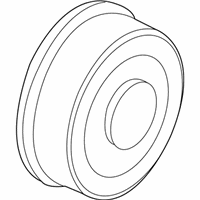
Related Ford E-250 Econoline Parts
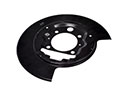 Ford E-250 Econoline Backing Plate
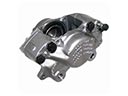 Ford E-250 Econoline Brake Caliper
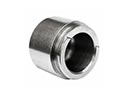 Ford E-250 Econoline Brake Caliper Piston
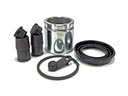 Ford E-250 Econoline Brake Caliper Repair Kit
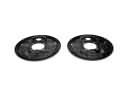 Ford E-250 Econoline Brake Dust Shields
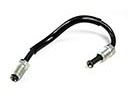 Ford E-250 Econoline Brake Line
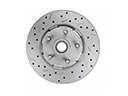 Ford E-250 Econoline Brake Rotor
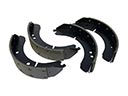 Ford E-250 Econoline Brake Shoe Set
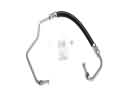 Ford E-250 Econoline Hydraulic Hose
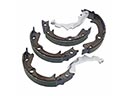 Ford E-250 Econoline Parking Brake Shoes
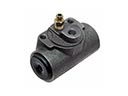 Ford E-250 Econoline Wheel Cylinder
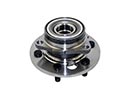 Ford E-250 Econoline Wheel Hub