FordParts
My Garage
My Account
Cart
OEM Ford Edge Steering Knuckle
Front Steering Knuckle- Select Vehicle by Model
- Select Vehicle by VIN
Select Vehicle by Model
orMake
Model
Year
Select Vehicle by VIN
For the most accurate results, select vehicle by your VIN (Vehicle Identification Number).
4 Steering Knuckles found
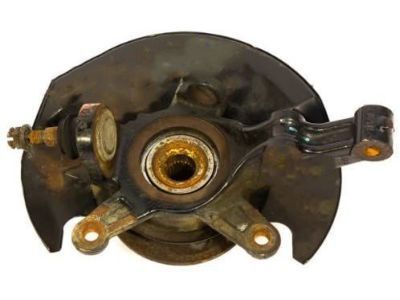
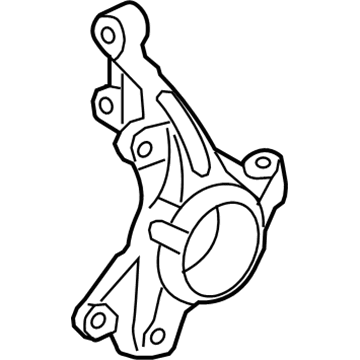
Ford Edge Knuckle, Front Passenger Side Part Number: BT4Z-3K185-A
$142.56 MSRP: $240.00You Save: $97.44 (41%)Ships in 1-2 Business Days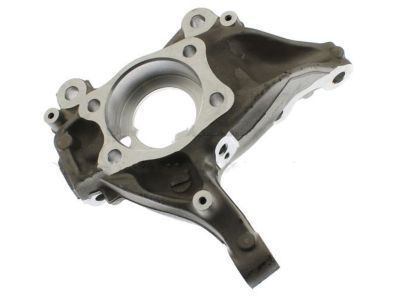
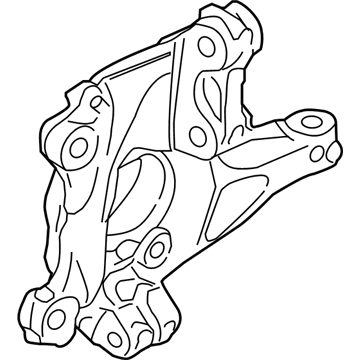
Ford Edge Knuckle, Front Driver Side Part Number: F2GZ-3K186-A
$166.86 MSRP: $274.55You Save: $107.69 (40%)Ships in 1-2 Business DaysFord Edge Knuckle, Front Passenger Side Part Number: F2GZ-3K185-A
$163.08 MSRP: $274.55You Save: $111.47 (41%)Ships in 1-2 Business DaysFord Edge Knuckle, Front Driver Side Part Number: BT4Z-3K186-A
$122.77 MSRP: $202.00You Save: $79.23 (40%)Ships in 1-2 Business Days
Ford Edge Steering Knuckle
OEM Steering Knuckle boasts unmatched quality. Each part goes through full quality checks. They adhere to Ford's official factory standards. These steps remove flaws and inconsistencies. So you can get Steering Knuckle with long life and a perfect fit. Come to our website and find genuine Ford Edge parts. We keep a wide inventory of OEM Edge parts at the highly affordable prices. It's easy to search, compare, and pick what you need. You'll love the clear info and simple checkout. We offer top-rated customer service, and we reply fast. We also ship promptly to ensure your order arrives on time.
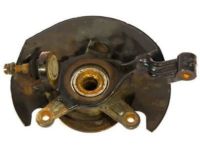
Steering Steering Knuckle of Ford Edge is one of the most important assemblies related with the connection of suspension and steering systems to front wheels. It has flanges on which control arms, tie rods, and end linkages, spindles or hubs are secured. This is because knuckle enables the wheels to perform an up and down movement in relation to shocks and a side to side motion due to turning. Different types of steering knuckles may be used Ford Edge depending on its type whether rear-wheel drive or front/all-wheel drive. The principal application of the knuckle is to maintain the wheel sturdiness to allow it to turn in a controlled manner through the suspension and steering mechanisms.
Ford Edge Steering Knuckle Parts and Q&A
- Q:How to service and repair the steering knuckle on Ford Edge?A:Start the steering knuckle service procedure by removing the tire together with the wheel. To stop halfshaft rotation apply the brake before going ahead with any discarding of either the wheel hub nut or washer. Remove the wheel hub nut in addition to the washer and halshaft hub seal while discarding the seal itself. Extract the wheel speed sensor bolt from the knuckle then set the sensor to the side. Secure the caliper by supporting it with mechanic's wire to prevent damage to brake hoses before removing the two anchor plate bolts. You should now use the Front Hub Remover to split the halfshaft from the wheel hub after taking off the brake disc. Divert each component of the tie-rod end including the pin and nut while utilizing the Tie-Rod End Remover to remove the part from the knuckle structure but never hit the part with a hammer. Begin by removing the Shock Absorber lower nuts together with flag bolts then proceed to remove lower ball joint bolt and nut which should also be discarded. The wheel knuckle receives its position after which the mechanic installs a new lower ball joint bolt and nut then tightens the nut to 55 Nm (41 lb-ft). Use the same tool to tighten new shock absorber lower flag bolts and nuts to 225 Nm (166 lb-ft). Place the tie-rod end while installing a new nut and cotter pin and tightening to 48 Nm (35 lb-ft). Secure the wheel speed sensor bolt at 7 Nm while using 62 lb-in as torque measurement. The brake disc installation should be followed by placing the Brake Caliper and anchor plate assembly while tightening its two bolts to 133 Nm (98 lb-ft). The crew must seat the halfshaft inside the hub with the original wheel hub nut and washer while tightening it to 350 Nm (258 lb-ft) before disposing of the nut and washer. Start tightening of the wheel hub nut combined with its washer to 350 Nm (258 lb-ft) within a five-minute deadline from initial thread engagement to activate locking chemicals. Put on the wheel and tire before performing necessary checks on the front end alignment.
Related Ford Edge Parts
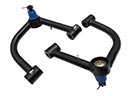 Ford Edge Control Arm
 Ford Edge Strut Bearing
 Ford Edge Sway Bar Link
 Ford Edge Camber and Alignment Kit
 Ford Edge Crossmember Bushing
 Ford Edge Shock Absorber
 Ford Edge Shock and Strut Boot
 Ford Edge Strut Housing
 Ford Edge Sway Bar Bracket
 Ford Edge Sway Bar Bushing
 Ford Edge Sway Bars
 Ford Edge Torsion Bar