FordParts
My Garage
My Account
Cart
OEM Ford Escape Brake Master Cylinder Reservoir
Brake Fluid Storage Tank- Select Vehicle by Model
- Select Vehicle by VIN
Select Vehicle by Model
orMake
Model
Year
Select Vehicle by VIN
For the most accurate results, select vehicle by your VIN (Vehicle Identification Number).
6 Brake Master Cylinder Reservoirs found
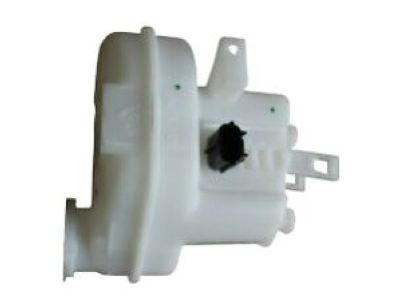
Ford Escape Reservoir Tank Part Number: CV6Z-2K478-D
$51.28 MSRP: $76.78You Save: $25.50 (34%)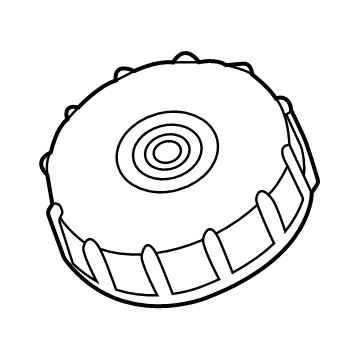
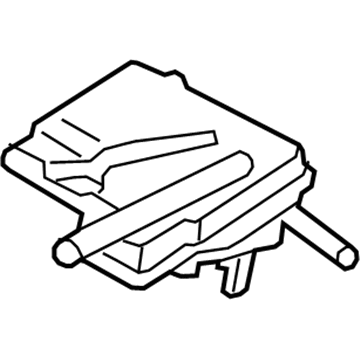
Ford Escape Master Cylinder Reservoir Part Number: JX6Z-2L210-D
$71.29 MSRP: $103.77You Save: $32.48 (32%)Ships in 1-3 Business Days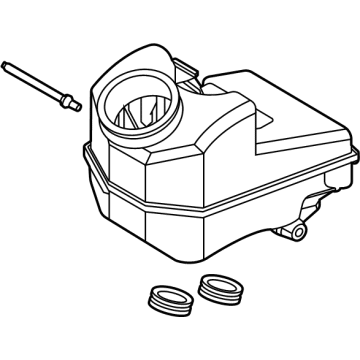
Ford Escape Master Cylinder Reservoir Part Number: JX6Z-2L210-G
$43.35 MSRP: $62.01You Save: $18.66 (31%)Ships in 1-3 Business Days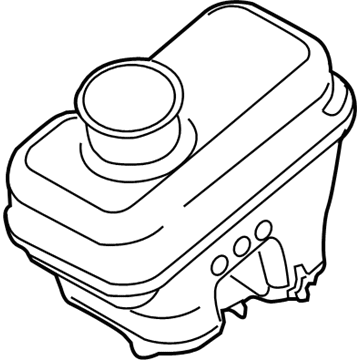
Ford Escape Master Cylinder Reservoir Part Number: 9M6Z-2L454-A
$36.92 MSRP: $51.08You Save: $14.16 (28%)Ships in 1-2 Business Days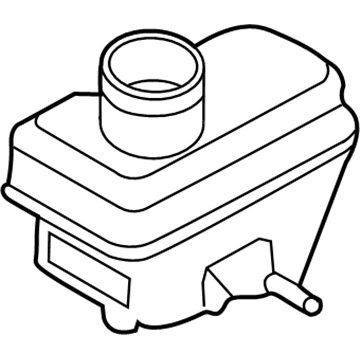
Ford Escape Reservoir Tank Part Number: 5L8Z-2L454-AA
$69.67 MSRP: $96.39You Save: $26.72 (28%)Ships in 1-2 Business Days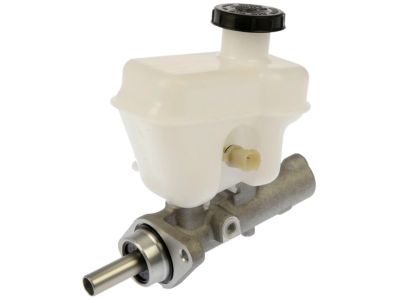
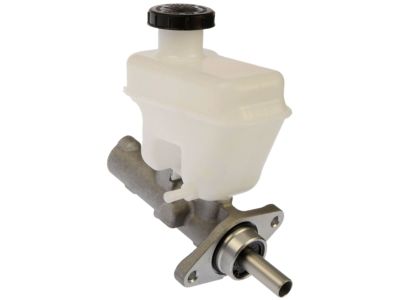
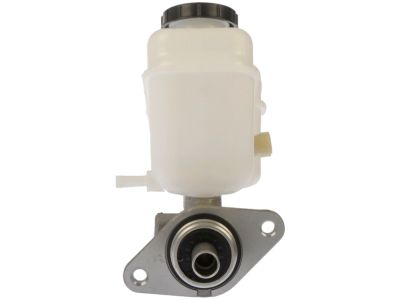
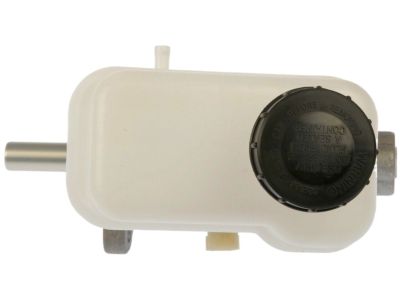
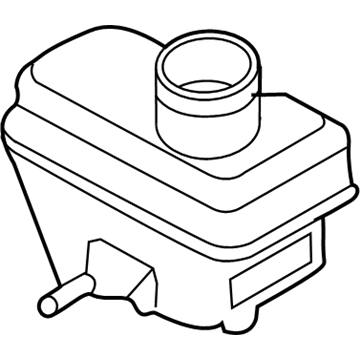
Ford Escape Reservoir Tank Part Number: 5L8Z-2L454-BA
Ford Escape Brake Master Cylinder Reservoir
OEM Brake Master Cylinder Reservoir boasts unmatched quality. Each part goes through full quality checks. They adhere to Ford's official factory standards. These steps remove flaws and inconsistencies. So you can get Brake Master Cylinder Reservoir with long life and a perfect fit. Come to our website and find genuine Ford Escape parts. We keep a wide inventory of OEM Escape parts at the highly affordable prices. It's easy to search, compare, and pick what you need. You'll love the clear info and simple checkout. We offer top-rated customer service, and we reply fast. We also ship promptly to ensure your order arrives on time.
Ford Escape Brake Master Cylinder Reservoir Parts and Q&A
- Q:How to Safely and Effectively Service the Brake Master Cylinder Reservoir on Ford Escape?A:The use of DOT 3 motor vehicle brake fluid remains crucial to service the brake master cylinder reservoir because alternative fluid types will cause permanent brake component damage that makes brakes inoperable and presents a threat to personal safety. Careful handling of brake fluid is necessary because it contains polyglycol ethers along with polyglycols, but you should avoid eye contact with this substance; therefore, wash your hands completely before resuming activity. Running water should be used to flush the eyes for 15 minutes when this happens, and you should find medical assistance if irritation does not stop. Drinking water followed by vomiting induction should trigger a call to medical services. Care must be taken due to brake fluid damage caused to painted and plastic materials, so clean up any spills followed by immediate water rinsing. The process starts with reservoir cap removal together with disconnecting the brake fluid level warning switch electrical connector. A valid suction device should be used to drain the brake fluid present in the brake master cylinder reservoir. When working with a vehicle that uses a manual transmission, it is necessary to remove and plug the Clutch Master Cylinder feed hose. To continue the procedure, remove the reservoir by detaching its retaining clips below, then elevating the unit upwards. Before installation, place new seals inside the container of DOT 3 motor vehicle brake fluid. Then discard the used seals. The completion procedure requires following the reverse order of removal while performing brake system bleeding followed by clutch master cylinder bleeding if applicable.
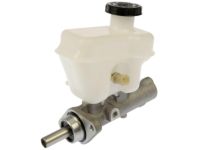
Related Ford Escape Parts
 Ford Escape Bumper
 Ford Escape Subwoofer
 Ford Escape Wiper Motor
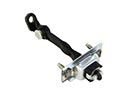 Ford Escape Door Check
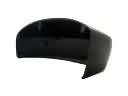 Ford Escape Mirror Cover
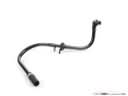 Ford Escape Brake Booster Vacuum Hose
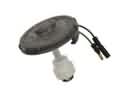 Ford Escape Brake Fluid Level Sensor
 Ford Escape Car Speakers
 Ford Escape Hazard Warning Switch
 Ford Escape Seat Heater
 Ford Escape Wiper Blade
 Ford Escape Wiper Pivot