FordParts
My Garage
My Account
Cart
OEM Ford Expedition Intake Manifold
Engine Intake Manifold- Select Vehicle by Model
- Select Vehicle by VIN
Select Vehicle by Model
orMake
Model
Year
Select Vehicle by VIN
For the most accurate results, select vehicle by your VIN (Vehicle Identification Number).
19 Intake Manifolds found
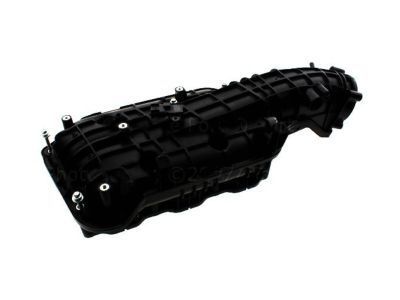
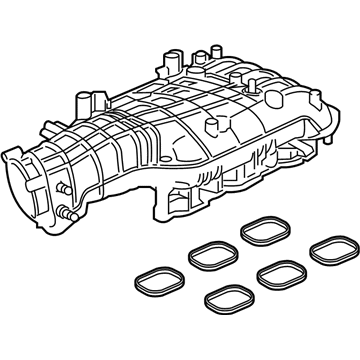
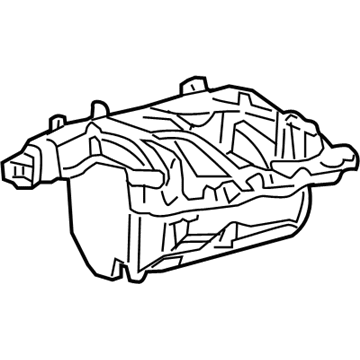
Ford Expedition Intake Manifold Part Number: DL3Z-9424-C
$106.26 MSRP: $154.67You Save: $48.41 (32%)Ships in 1-2 Business Days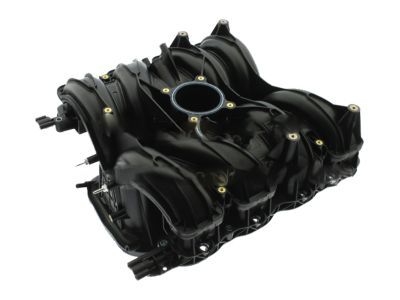
Ford Expedition Intake Manifold Part Number: 9L3Z-9424-H
$301.91 MSRP: $443.33You Save: $141.42 (32%)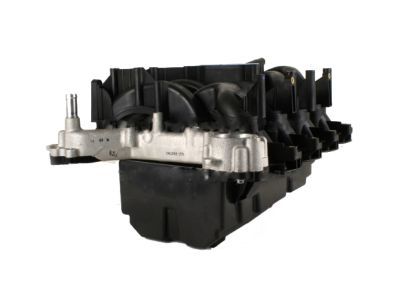
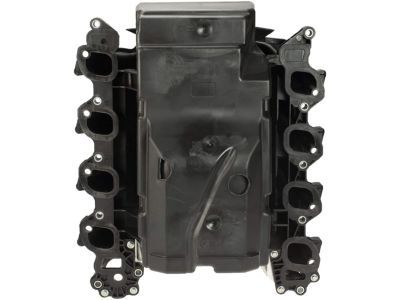
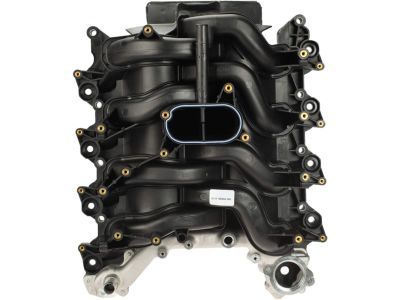
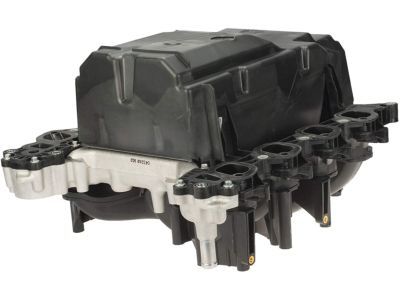
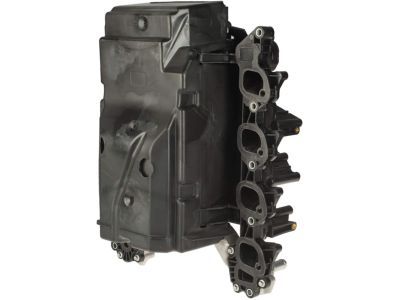
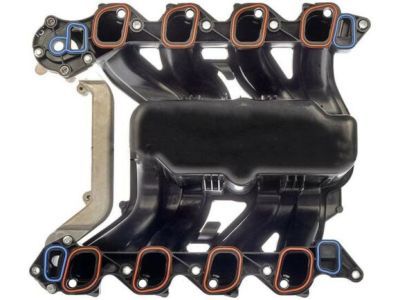
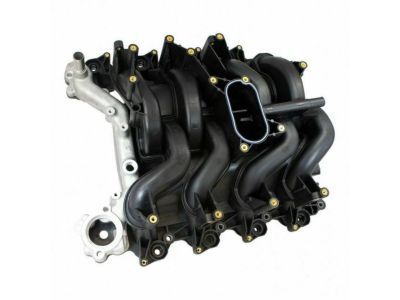
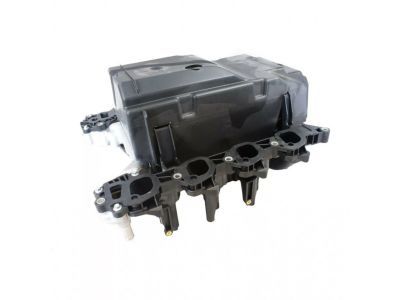
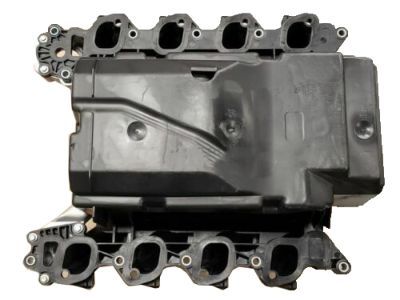
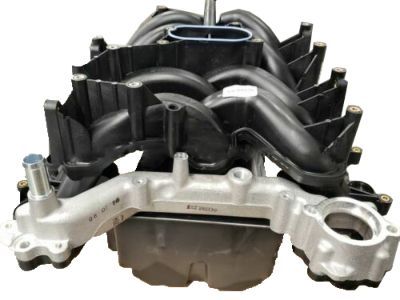
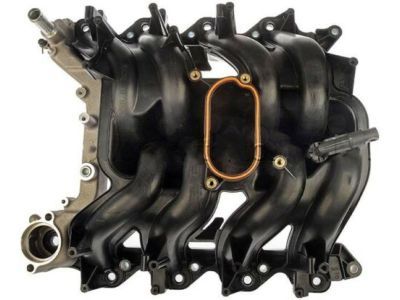
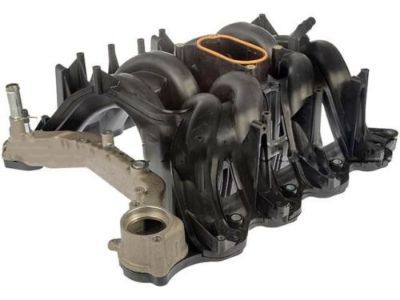
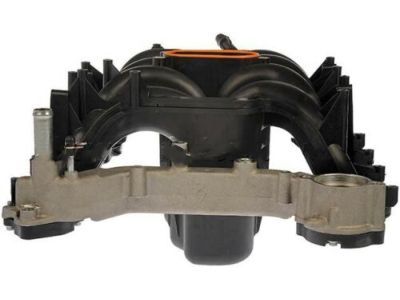
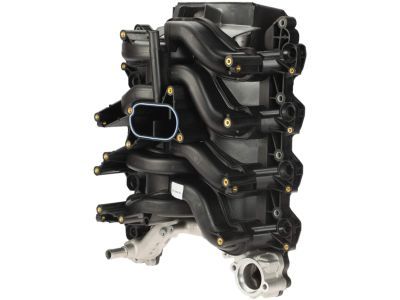
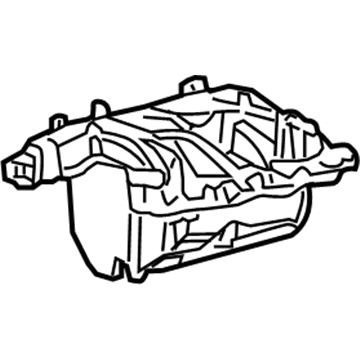
Ford Expedition Intake Manifold Part Number: 2L1Z-9424-AA
$317.80 MSRP: $466.67You Save: $148.87 (32%)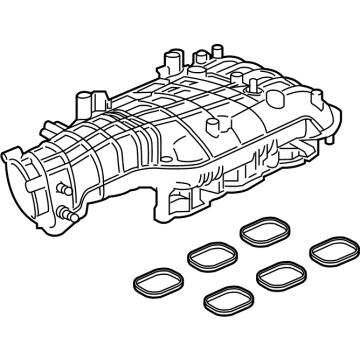
Ford Expedition Manifold Assembly - Inlet Part Number: ML3Z-9424-H
$74.73 MSRP: $115.00You Save: $40.27 (36%)Ships in 1-2 Business Days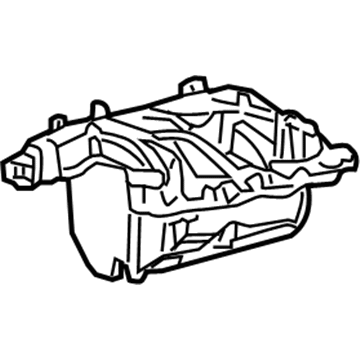
Ford Expedition Intake Manifold Part Number: 2L7Z-9424-DA
$1782.00 MSRP: $2640.00You Save: $858.00 (33%)Ships in 1-3 Business Days
Ford Expedition Intake Manifold Part Number: HL3Z-9424-B
$89.54 MSRP: $130.33You Save: $40.79 (32%)Ships in 1-2 Business Days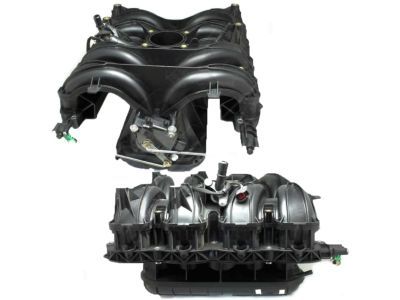
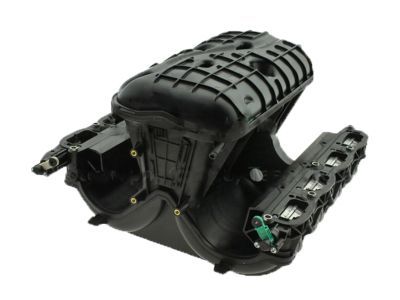
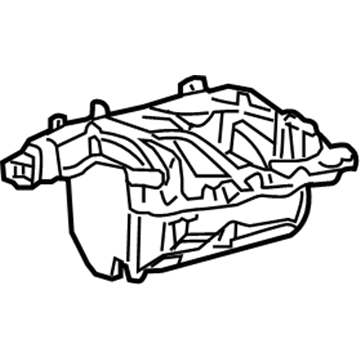
Ford Expedition Intake Manifold Part Number: 5L1Z-9424-A
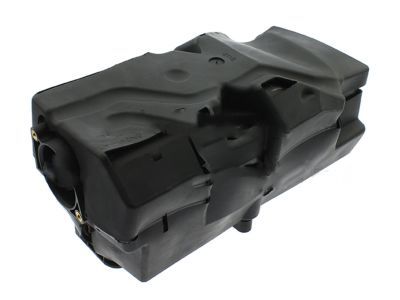
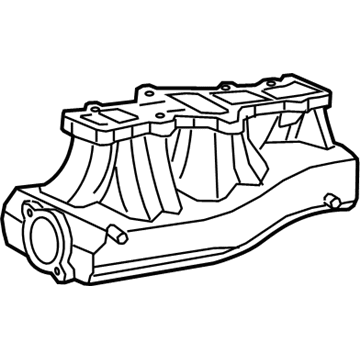
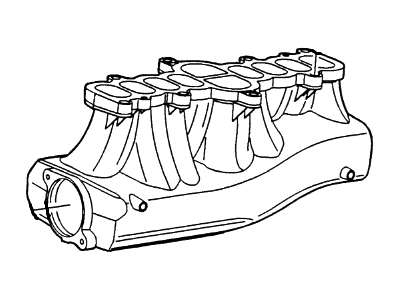
Ford Expedition Intake Manifold, Lower Part Number: 4L3Z-9424-AA
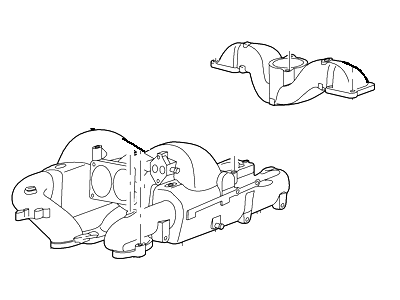
Ford Expedition Intake Manifold Part Number: F85Z-9424-BA
Ford Expedition Intake Manifold Part Number: 2L7Z-9424-CA
Ford Expedition Intake Manifold, Lower Part Number: YL3Z-9424-BA
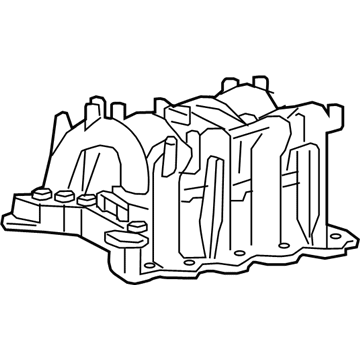
Ford Expedition Intake Manifold, Upper Part Number: YC2Z-9424-CA
Ford Expedition Intake Manifold Part Number: F75Z-9424-AB
Ford Expedition Intake Manifold, Upper Part Number: F65Z-9424-C
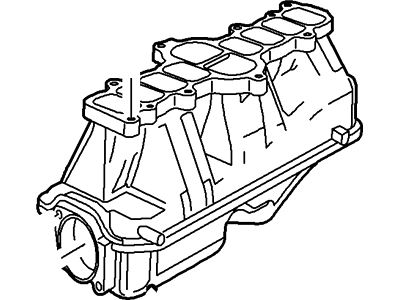
Ford Expedition Intake Manifold Part Number: 4L3Z-9424-BA
Ford Expedition Intake Manifold, Upper Part Number: 3L3Z-9424-DA
Ford Expedition Intake Manifold, Lower Part Number: 2L1Z-9424-BC
Ford Expedition Intake Manifold, Upper Part Number: 1L3Z-9424-BA
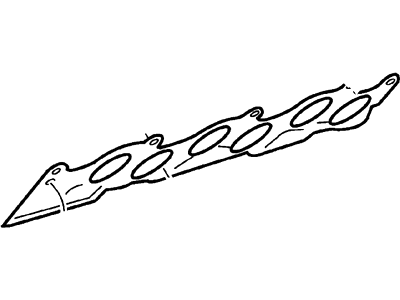
Ford Expedition Intake Manifold, Lower Part Number: 1L1Z-9424-AA
Ford Expedition Intake Manifold
OEM Intake Manifold boasts unmatched quality. Each part goes through full quality checks. They adhere to Ford's official factory standards. These steps remove flaws and inconsistencies. So you can get Intake Manifold with long life and a perfect fit. Come to our website and find genuine Ford Expedition parts. We keep a wide inventory of OEM Expedition parts at the highly affordable prices. It's easy to search, compare, and pick what you need. You'll love the clear info and simple checkout. We offer top-rated customer service, and we reply fast. We also ship promptly to ensure your order arrives on time.
Intake Manifold: In Ford Expedition vehicles, Intake Manifold is responsible for supplying air or a combination of air and fuels to the cylinders and thus determine the power and performance of the engine. Working on the notion of the throttle body or carburetor, it varies in its designs depending on the type if the engine. For example, as we have learned the earlier models with carburetors operate differently than the latest multi-point fuel injected models with fuel injectors for each cylinder. Early designs of the Ford Expedition intake manifolds use cast iron and aluminum but has shifted to a light weight composite plastic in order to improve fuel efficiency and cooling access. Some of the models have intake manifolds that are of variable length (VLIM) for enhancing the flow of fresh combustion air and hence enhance the performance depending on the load of the engine. Such improvements help to keep the Ford Expedition with the desired level of efficiency and power in various configurations of the power plant.
Ford Expedition Intake Manifold Parts and Q&A
- Q:How to remove and replace the intake manifold on Ford Expedition?A:The first step for intake manifold replacement involves draining coolants from the cooling system while also disconnecting the ground cable from the battery. You should remove fuel system pressure before you disconnect the spring lock fuel supply hose from the Fuel Rail to avoid fuel spraying. Begin the replacement process by taking out the generator then the air cleaner outlet pipe and then detach the crankcase ventilation tube quick connect coupling and the evaporative emissions system (EVAP) hose from the intake manifold. The air cleaner outlet pipe-to-throttle body adapter requires removal of its 4 bolts before disconnecting the upper Radiator and heater coolant hoses from the engine coolant crossover assembly. The first step includes removing the PCV tube while also disconnecting 8 Fuel Injector and Ignition Coil electrical connectors together with the Throttle Position Sensor and heated PCV intake fitting electrical connectors. The engine shop performs the following tasks to replace the intake manifold vacuum tube support bracket bolt and disconnect the brake booster vacuum hose. The ten intake manifold bolts must be removed before cleaning the sealing surfaces using a scraping tool and silicone gasket remover which requires disposal of the old gaskets. The installation process requires vacuum and electrical harnesses which must not limit the movement range of the charge motion control valve (CMCV) control rods. Affix the new intake manifold onto its location while using new gaskets before installing the engine coolant crossover assembly with 3 bolts tightened up to 10 Nm (89 lb-in). Complete the connection process of the engine wiring harness retainer and the CMCV electrical connector and the cylinder head temperature sensor jumper harness and the knock sensor connectors. The installation of intake manifold bolts requires two-stage tightening to begin with 2 Nm then progress to 10 Nm. Reattach the combination of intake manifold vacuum tube support bracket and brake booster vacuum hose together with heated PCV intake fitting and throttle position sensor and fuel injector and ignition coil electrical connectors. Reattach the air cleaner outlet pipe-to-throttle body adapter followed by putting back the crankcase ventilation tube and EVAP hose and PCV tube before connecting upper radiator and heater coolant hoses. The last step of the repair involves reconnecting the fuel supply spring lock coupling followed by generator and air cleaner outlet pipe reinstallation and battery ground cable and engine cooling system filling with correct bleeding procedures.
- Q:How to service and repair the intake manifold on Ford Expedition?A:Service and repair of the intake manifold starts with bolt removal to split upper and lower intake manifolds after the lower intake manifold gasket must be discarded. The first step involves removing intake manifold turning valve bolts before extracting the valve itself. Spray metal cleaning solution onto both upper and lower manifolds before evaluating their mating surfaces and internal passages before allowing complete dryness. The intake manifold turning valve should be placed into position before installing the bolts. Set the lower intake manifold gasket together with the upper intake manifold onto its position on the lower intake manifold before installing the bolts loosely. Take two stages to tight the bolts by starting at 2 Nm (18 inch lbs.) then moving to 10 Nm (89 inch lbs.) according to the proper tightening sequence.

Related Ford Expedition Parts
 Ford Expedition Fuel Tank
 Ford Expedition Mass Air Flow Sensor
 Ford Expedition Throttle Body
 Ford Expedition Air Filter Box
 Ford Expedition Air Intake Coupling
 Ford Expedition Fuel Filler Hose
 Ford Expedition Fuel Filler Neck
 Ford Expedition Fuel Level Sensor
 Ford Expedition Fuel Pump Gasket
 Ford Expedition Fuel Sending Unit
 Ford Expedition Intake Manifold Gasket
 Ford Expedition Throttle Body Gasket