FordParts
My Garage
My Account
Cart
OEM Ford Explorer Sport Trac Fuel Rail
Engine Fuel Rail- Select Vehicle by Model
- Select Vehicle by VIN
Select Vehicle by Model
orMake
Model
Year
Select Vehicle by VIN
For the most accurate results, select vehicle by your VIN (Vehicle Identification Number).
5 Fuel Rails found
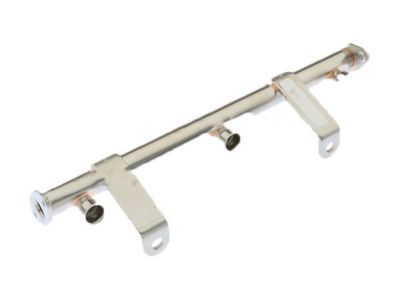
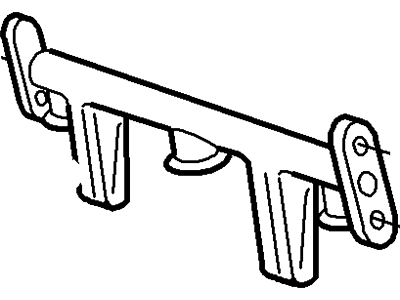
Ford Explorer Sport Trac Fuel Rail Part Number: 1L2Z-9D280-ED
$207.25 MSRP: $332.00You Save: $124.75 (38%)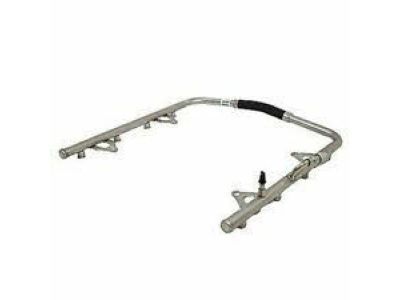
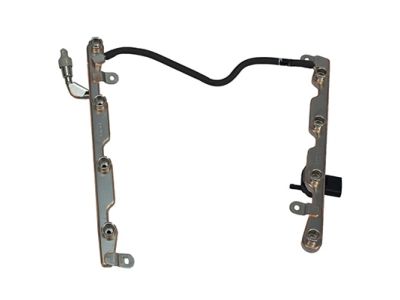
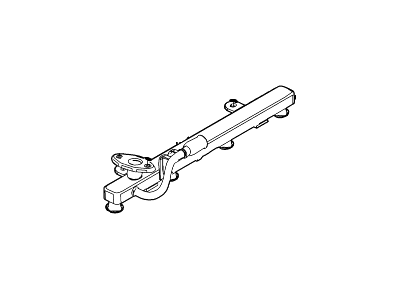
Ford Explorer Sport Trac Fuel Rail Part Number: 7L2Z-9F792-A
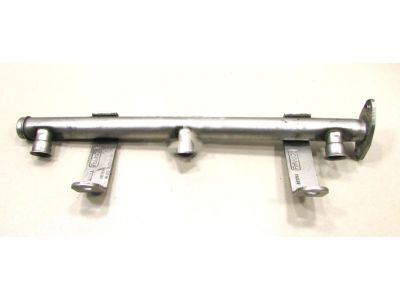
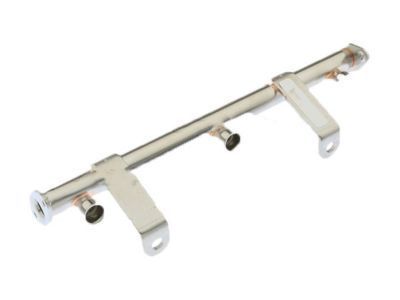
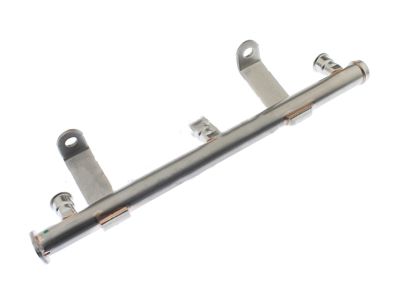
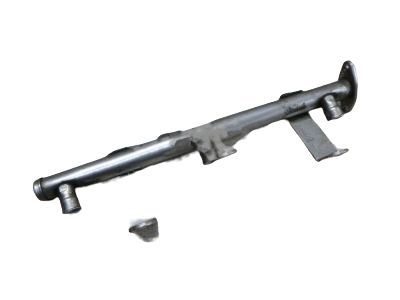
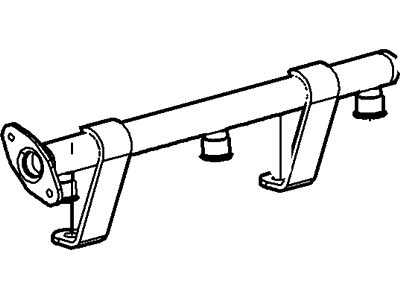
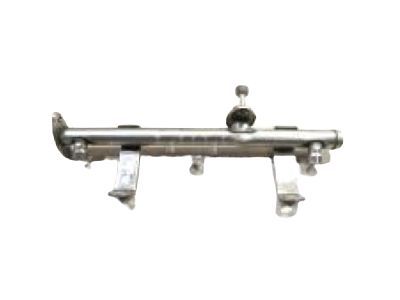
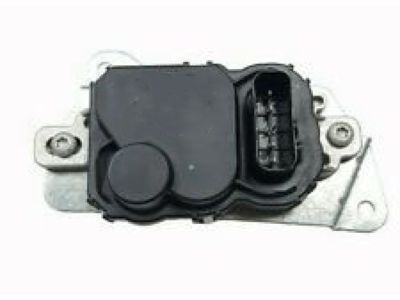
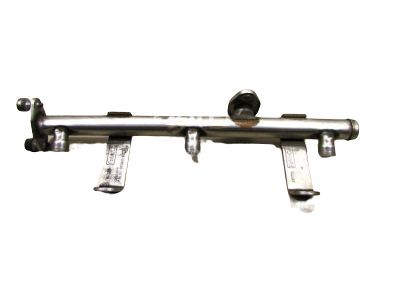
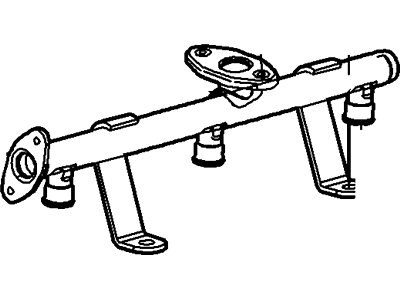
Ford Explorer Sport Trac Fuel Rail Part Number: 6L2Z-9D280-A
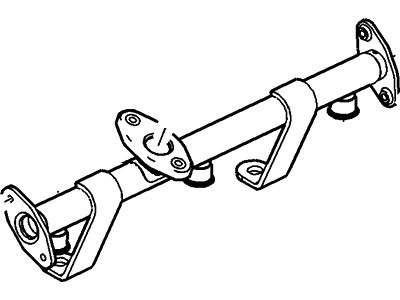
Ford Explorer Sport Trac Fuel Rail Part Number: 4L2Z-9D280-A
Ford Explorer Sport Trac Fuel Rail
OEM Fuel Rail boasts unmatched quality. Each part goes through full quality checks. They adhere to Ford's official factory standards. These steps remove flaws and inconsistencies. So you can get Fuel Rail with long life and a perfect fit. Come to our website and find genuine Ford Explorer Sport Trac parts. We keep a wide inventory of OEM Explorer Sport Trac parts at the highly affordable prices. It's easy to search, compare, and pick what you need. You'll love the clear info and simple checkout. We offer top-rated customer service, and we reply fast. We also ship promptly to ensure your order arrives on time.
Ford Explorer Sport Trac Fuel Rail Parts and Q&A
- Q:What precautions should be taken when servicing the fuel rail to ensure safety and proper installation on Ford Explorer Sport Trac?A:A fuel rail can cause personal injury because its components contain highly flammable mixtures so personnel must never use open flames or smoke near them. Clear all fuel pressure before taking apart any fuel system components or disconnecting fuel lines because high pressure continues in the fuel system after the engine shut off. When you use the fuel rail to create leverage ensure safe handling that avoids possible damage to the rail. Before and during installation procedures always apply fuel operation materials to protect liquid and vapor access points against contaminations then remove protective elements prior to installation completion. Begin by disconnecting the spring lock coupling followed by removal of the Intake Manifold together with the fuel supply tube bracket bolt that requires torquing to 8 Nm (71 lb-in) when reinstalling. After disconnecting the Fuel Injector electrical connectors proceed to remove the fuel pressure and temperature sensor electrical and vacuum connectors. The assembly of fuel rail and injectors requires their bolts to be removed while the proper torque should reach 23 Nm (17 lb-ft) during reinstallation. Engine installation requires fresh O-ring seals of fuel-resistant material for the fuel injector-to-intake manifold connections and engine oil lubrication before installing them while omitting the use of previous O-rings to maintain leak prevention. Perform the reverse order of the removal process until installation is finished.
Related Ford Explorer Sport Trac Parts
 Ford Explorer Sport Trac Fuel Filter
 Ford Explorer Sport Trac Fuel Pump
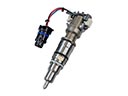 Ford Explorer Sport Trac Fuel Injector
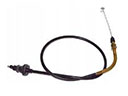 Ford Explorer Sport Trac Accelerator Cable
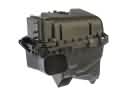 Ford Explorer Sport Trac Air Filter Box
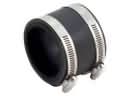 Ford Explorer Sport Trac Air Intake Coupling
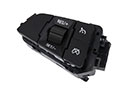 Ford Explorer Sport Trac Cruise Control Switch
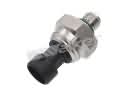 Ford Explorer Sport Trac Fuel Pressure Sensor
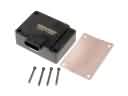 Ford Explorer Sport Trac Fuel Pump Driver Module
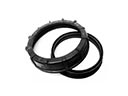 Ford Explorer Sport Trac Fuel Pump Seal
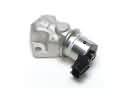 Ford Explorer Sport Trac Idle Control Valve
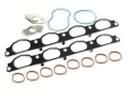 Ford Explorer Sport Trac Intake Manifold Gasket