FordParts
My Garage
My Account
Cart
OEM Ford Five Hundred Air Bag
Air Bag Module- Select Vehicle by Model
- Select Vehicle by VIN
Select Vehicle by Model
orMake
Model
Year
Select Vehicle by VIN
For the most accurate results, select vehicle by your VIN (Vehicle Identification Number).
10 Air Bags found
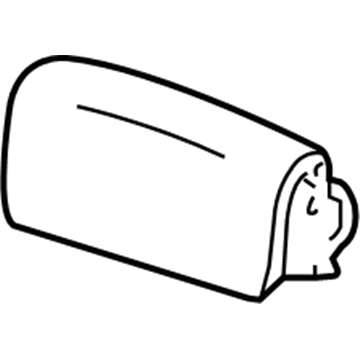
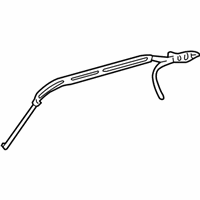
Ford Five Hundred Passenger Air Bag, Upper Part Number: 5G1Z-54044A74-AA
$135.92 MSRP: $188.04You Save: $52.12 (28%)Ships in 1-2 Business Days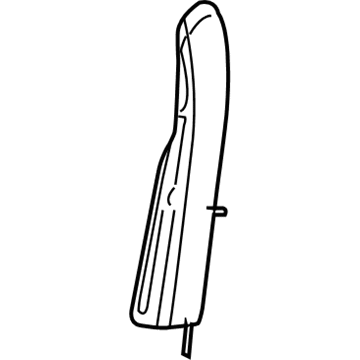
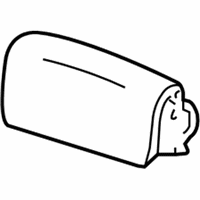
Ford Five Hundred Side Impact Inflator Module, Front Passenger Side Part Number: 5F9Z-74611D10-BA
$56.90 MSRP: $78.72You Save: $21.82 (28%)Ships in 1-2 Business Days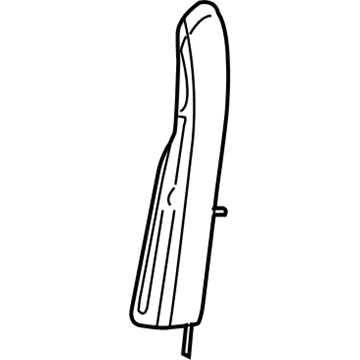
Ford Five Hundred Side Impact Inflator Module, Front Passenger Side Part Number: 5F9Z-74611D10-AA
$56.90 MSRP: $78.72You Save: $21.82 (28%)Ships in 1-2 Business Days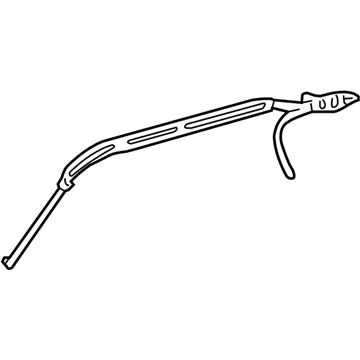
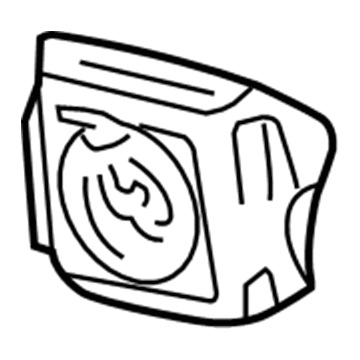
Ford Five Hundred Driver Air Bag Part Number: 6F9Z-74043B13-AAB
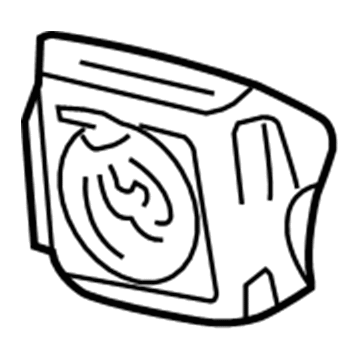
Ford Five Hundred Driver Air Bag Part Number: 5F9Z-74043B13-BAA
Ford Five Hundred Air Bag
OEM Air Bag boasts unmatched quality. Each part goes through full quality checks. They adhere to Ford's official factory standards. These steps remove flaws and inconsistencies. So you can get Air Bag with long life and a perfect fit. Come to our website and find genuine Ford Five Hundred parts. We keep a wide inventory of OEM Five Hundred parts at the highly affordable prices. It's easy to search, compare, and pick what you need. You'll love the clear info and simple checkout. We offer top-rated customer service, and we reply fast. We also ship promptly to ensure your order arrives on time.
Ford Five Hundred Air Bag Parts and Q&A
- Q: What Precautions Should Be Taken When Servicing the Air Bag Safety Canopy Module on Ford Five Hundred?A:Users should put on safety glasses before servicing the safety canopy due to its possibility to accidentally deploy and cause injuries. Handle the live safety canopy module with the tear seam and safety canopy pointed in the direction away from your body. When the safety canopy has released during service you need to replace all components including the headliner and A-, B- and C-pillar upper trim panels with their associated hardware that showed any damage. Security canopy module-ready headliners with "air bag" printed at B-pillar trim junctions should be used for this application. Damage assessment of the roof line should precede installation and includes correcting damaged sheet metal while exchanging broken fasteners and cleaning up all present foreign debris. The safety canopy needs an immediate replacement with a new module if the cover material shows signs of separation or any material exposure is detected. No attempt should be made for repairs. Deployment requirements can be jeopardized when you obstruct the deployment path while it is forbidden to fasten any bags or straps against the safety canopy module or interior trim panel. Both probing the electrical connector on the safety canopy module and using memory saver devices should be avoided. You should use new torque-prevailing type J-nuts (W520822-S438, 9 per side) to install the safety canopy module. First remove the front moonroof drain hose routing clips (if equipped) then take note of the safety canopy module front tether bracket hook and A-pillar trim bracket hook positions. Proceed to power down the system. Separate all required bolts that will detach the safety canopy module by directing this component in front of the rear window defrost wiring. New J-nut fasteners should be used for installation along with A-pillar trim bracket bolt tightening to 7 Nm (62 lb-in). Check that the roof line remains damage-free. The installation requires positioning the safety canopy module while returning it through the rear window defroster wiring harness before installing guide bolts with 7 Nm (62 lb-in) torque. The installation of rear bracket pin-type retainers should be followed by electrical connector connection then subsequence bolt installation with a torque setting of 7 Nm (62 lb-in). Apply the middle bolts then use 9 Nm (80 lb-in) torque while securing both front tether bracket and A-pillar trim bracket bolts. The front moonroof drain hose routing clips should be reinstalled when applicable before the system is powered up.
- Q: How to Inspect and Repair the Air Bag System After a Collision to Ensure Safety on Ford Five Hundred?A:One needs to inspect and repair the Supplemental Restraint System following any collision to ensure safety. Road tests should only proceed after removing diagnostic tools used for restraint systems from vehicles to stop the SRS from failing to activate in crashes that could result in fatal injuries. The removal of deployed air bag modules and pretensioners with fresh equivalents becomes necessary when deployable devices underwent deployment or when restraints control module (RCM) shows Event Threshold Exceeded as DTC B1231. The necessary modules require clearing of all DTCs after successful repairs. Inspection of the passenger side floorpan needs to be done when the occupant classification system module (OCSM) holds DTC B1231. Necessary floorpan repairs should then be conducted and rail type systems need new OCS rails with weight sensor bolt type systems requiring new seat tracks and weight sensor bolts. Perform OCS System Reset only after clearing the DTC that exists in the OCSM from the module. An inspection of bladder type OCSMs without stored DTC B1231 should be performed to check for damages while installing an OCS system service kit if required. The servicing technician should inspect the impact sensor mounting points to determine whether they need replacement or repair. The installation of a new Clock Spring becomes necessary when the driver air bag module has experienced a deployment. Repair technicians must install new safety belt systems that include retractors as well as buckles and height adjusters whenever driver and front passenger pretensioners operate during deployment. A thorough vehicle inspection must identify damage occurring on the steering column with its instrument panel knee bolsters as well as braces, brackets, safety belts and SRS wiring and seats. post-inspection programs should replace components that show damage.
Related Ford Five Hundred Parts
 Ford Five Hundred Ignition Coil
 Ford Five Hundred Air Bag Control Module
 Ford Five Hundred Air Bag Sensor
 Ford Five Hundred Antenna
 Ford Five Hundred Brake Controller
 Ford Five Hundred Clock Spring
 Ford Five Hundred Ignition Switch
 Ford Five Hundred Mirror Actuator
 Ford Five Hundred Mirror Switch
 Ford Five Hundred Seat Belt
 Ford Five Hundred Speedometer
 Ford Five Hundred Temperature Sender