FordParts
My Garage
My Account
Cart
OEM Ford Starter Solenoid
Starter Solenoid Relay- Select Vehicle by Model
- Select Vehicle by VIN
Select Vehicle by Model
orMake
Model
Year
Select Vehicle by VIN
For the most accurate results, select vehicle by your VIN (Vehicle Identification Number).
6 Starter Solenoids found
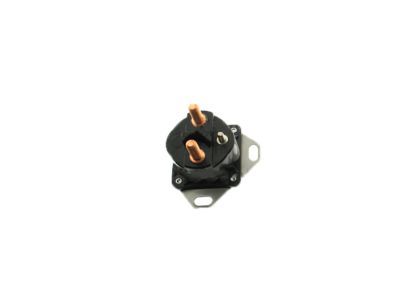
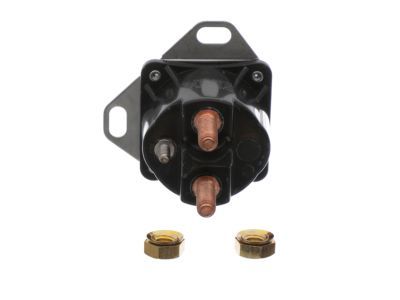
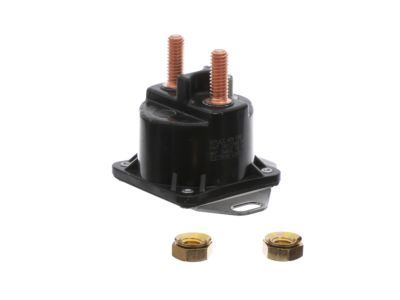
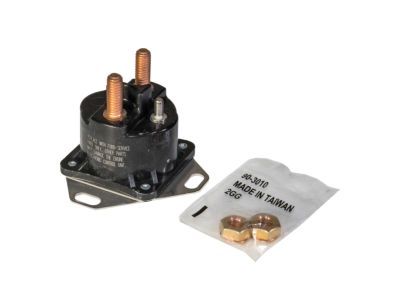
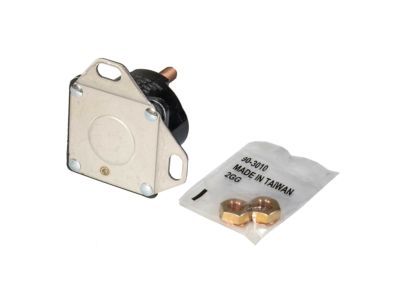
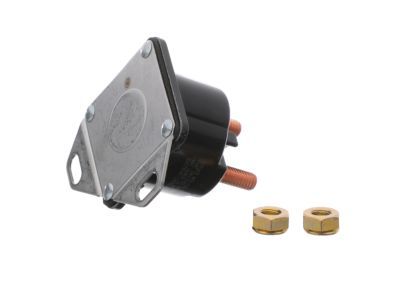
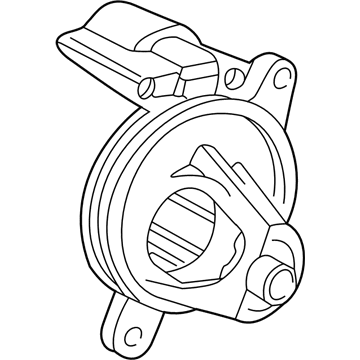
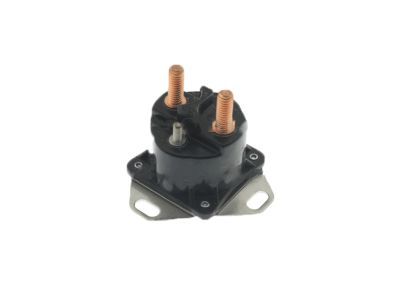
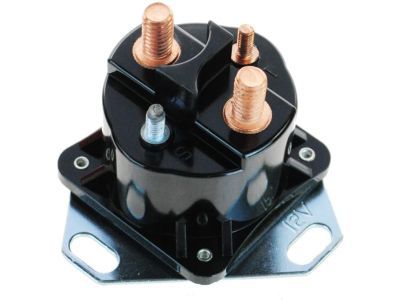
Ford Starter Solenoid Part Number: E9TZ-11450-B
$24.27 MSRP: $38.55You Save: $14.28 (38%)Ships in 1 Business DayProduct Specifications- Other Name: Relay Assembly - Starter Motor; Multi Purpose Relay; Starter Relay; Solenoid Relay; Solenoid; Relay
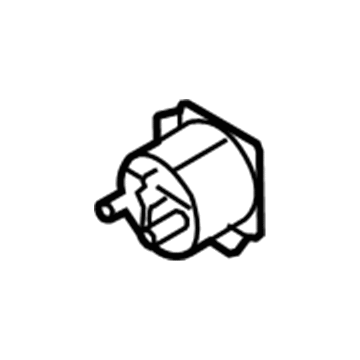
Ford Starter Solenoid Part Number: F7UZ-11450-AA
Product Specifications- Other Name: Relay Assembly - Starter Motor

Ford Solenoid Part Number: F4TZ11390A
Product Specifications- Other Name: Switch
Ford Solenoid Part Number: F4BZ11390A
Product Specifications- Other Name: Solenoid Assembly Starter
Ford Starter Solenoid Part Number: E8TZ-11450-B
Product Specifications- Other Name: Relay Assembly - Starter Motor; Multi Purpose Relay; Starter Relay; Solenoid Relay; Relay
Ford Solenoid Part Number: E5PZ11390A
Product Specifications- Other Name: Switch
Ford Starter Solenoid
If you own Ford and want to keep it in top shape, choosing OEM Starter Solenoid is a smart move. They are precisely engineered and follow strict factory standards. They are made in advanced facilities that use cutting edge technology. Each part goes through thorough testing to confirm strength and safety, so you can trust it. FordPartsDeal.com gives you genuine Ford Starter Solenoid at some of the affordable online prices without cutting quality. Every OEM Ford part includes the manufacturer's warranty, easy returns, and super-fast delivery. So why wait? Shop now and get your vehicle back to peak condition.
The Ford Starter Solenoid is a small relay that sends battery current to the starter motor to start the engine immediately with the turn of the key. Ford's 1903 gamble that set a new industry standard was updated in 1913 when the moving line reduced build times and costs. Modern Ford EcoBoost engines extract turbocharged performance from smaller blocks to give you muscle without guzzling fuel. SYNC lets you bark a tune request or pull a quick detour while your hands stay planted. The Co-Pilot360 monitors traffic and applies the brakes when a danger is approaching. The Ford F-150 Lightning is an electric truck that carries everything from lumber to tools to bragging rights with zero emissions. Ford innovations are meant to make every drive more powerful, cleaner and easier. When the Starter Solenoid clicks but does not conduct, just using some basic tools and ten steady minutes will swap this part out. Position the new Starter Solenoid within reach. First, park your car in a flat area. Then, remove the negative cable and leave the battery for some time. Observe the small cylinder affixed to the starter or at times the fender and click a photograph of it for your memory of which wire lands where, then back off the holding nuts. Remove the old piece free of charge, compare it with the new unit to ensure the terminal layout matches. Secure the new Starter Solenoid tightly, route the battery and motor leads onto clean studs, tighten them firmly and clip on the trigger wire. The battery needs to be reconnected, the key needs to be twisted, a brisk spin has to be listened for, and every fastener needs to be rechecked.
Related Ford Parts
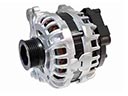 Ford Alternator
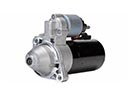 Ford Starter
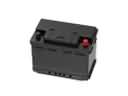 Ford Car Battery
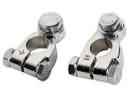 Ford Battery Terminal
 Ford Voltage Regulator
 Ford Alternator Bracket
 Ford Alternator Pulley
 Ford Battery Cable
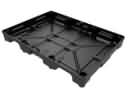 Ford Battery Tray
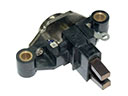 Ford Alternator Brush
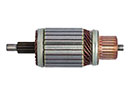 Ford Armature
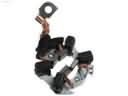 Ford Starter Brush
Browse Ford Starter Solenoid by Models
Ranger Bronco Mustang Explorer F-150 EXP Excursion Taurus Thunderbird Crown Victoria Bronco II Escort F-250 Aerostar Aspire Country Squire E-150 Econoline F-350 LTD Tempo F-350 Super Duty LTD Crown Victoria E-150 E-150 Club Wagon E-150 Econoline Club Wagon E-250 E-250 Econoline E-250 Econoline Club Wagon E-350 Club Wagon E-350 Econoline E-350 Econoline Club Wagon E-350 Super Duty F-250 HD F-250 Super Duty