FordParts
My Garage
My Account
Cart
OEM Lincoln A/C System Valve Core
- Select Vehicle by Model
- Select Vehicle by VIN
Select Vehicle by Model
orMake
Model
Year
Select Vehicle by VIN
For the most accurate results, select vehicle by your VIN (Vehicle Identification Number).
23 A/C System Valve Cores found
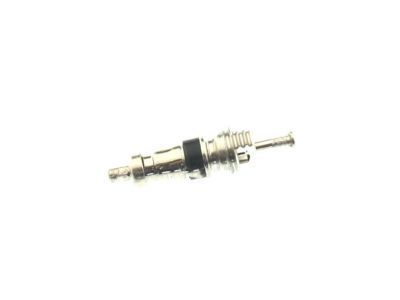
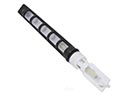
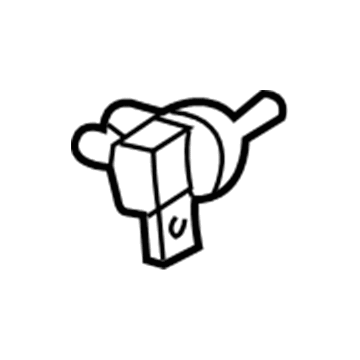
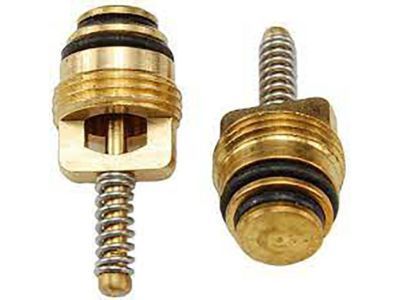
Lincoln Fill Valve Part Number: E69Z-19D701-A
$4.58 MSRP: $7.27You Save: $2.69 (37%)Ships in 1 Business DayProduct Specifications- Other Name: Valve Assembly; A/C Charging Adapters; Valve Core; Compressor Cut-Out; HVAC Switch
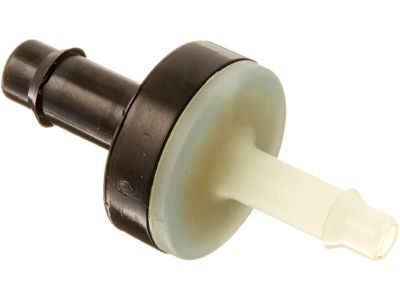
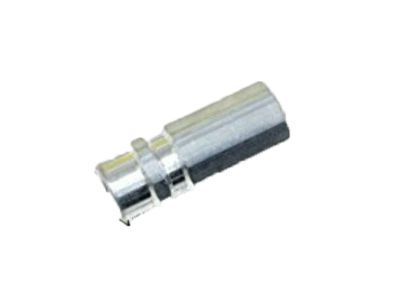
Lincoln Check Valve Part Number: XR3Z-19A563-AA
$6.90 MSRP: $10.96You Save: $4.06 (38%)Product Specifications- Other Name: Valve - Air Conditioner Control; Control Valve
Lincoln Pressure Switch Part Number: F3AZ-19E762-B
$7.32 MSRP: $11.62You Save: $4.30 (38%)Ships in 1-2 Business DaysProduct Specifications- Other Name: Valve Assembly - Air; A/C Compressor Cut-Out Switch; HVAC Pressure Switch; A/C Trinary Switch; HVAC System Switch
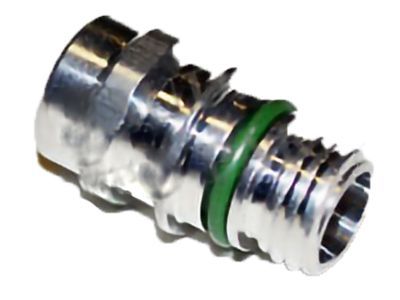
Lincoln Pressure Switch Part Number: F3AZ-19E762-A
$8.70 MSRP: $13.82You Save: $5.12 (38%)Ships in 1-2 Business DaysProduct Specifications- Other Name: Valve Assembly - Air; A/C Compressor Cut-Out Switch; HVAC Pressure Switch; A/C Trinary Switch; HVAC System Switch
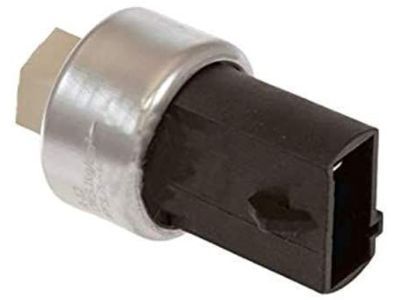
Lincoln Pressure Switch Part Number: E35Y-19E561-A
$31.03 MSRP: $49.27You Save: $18.24 (38%)Ships in 1-2 Business DaysProduct Specifications- Other Name: Switch - Air Conditioning System; A/C Compressor Cut-Out, Pressure, Trinary Switch.; Clutch Cycling Switch; Pressure Cycling Switch
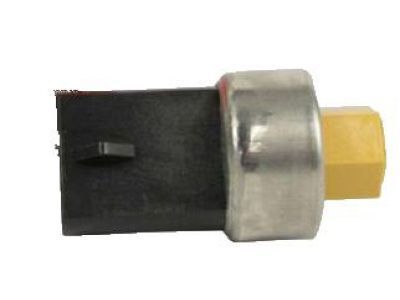
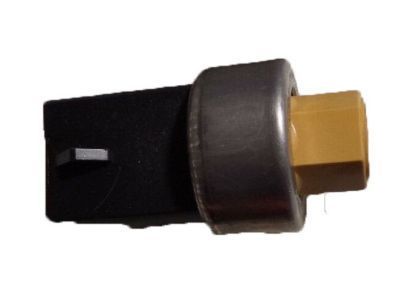
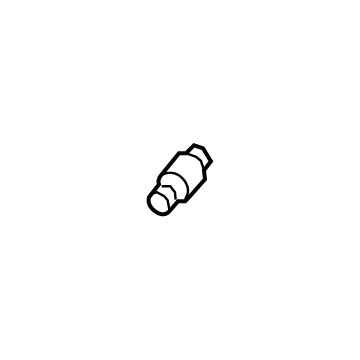
Lincoln Pressure Switch Part Number: F3AZ-19E561-A
$34.01 MSRP: $54.00You Save: $19.99 (38%)Ships in 1-2 Business DaysProduct Specifications- Other Name: Switch - Air Conditioning System; A/C Compressor Cut-Out, Pressure, Trinary Switch.
- Replaces: F23Z-19E561-AA, F57Z-19B968-A
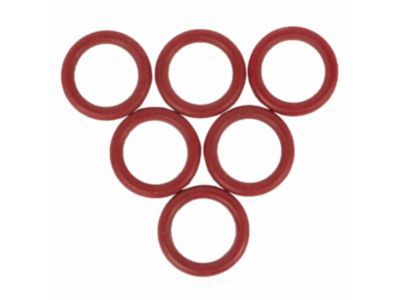

Lincoln Valve O-Ring Part Number: 1W1Z-19E889-LB
$9.10Ships in 1-3 Business DaysProduct Specifications- Other Name: O" Ring; A/C Refrigerant Line O-Ring; A/C Accumulator O-Ring; A/C System Seal Kit
- Replaces: 1W1Z-19E889-LA
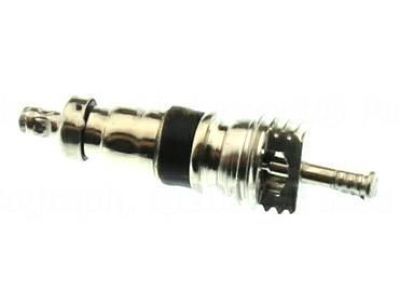
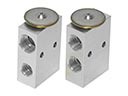
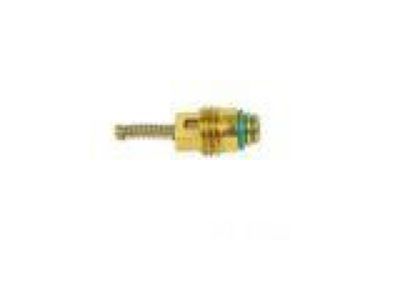
Lincoln Expansion Valve Part Number: E3EZ-19D701-AA
$4.58 MSRP: $7.27You Save: $2.69 (37%)Ships in 1-2 Business DaysProduct Specifications- Other Name: Valve Assembly; A/C Charging Adapter; Compressor Relief Valve; Service Valve Core; Cut-Out Switch; HVAC Switch

Lincoln Fill Valve, Rear Part Number: DS7Z-19D701-A
$4.58 MSRP: $7.27You Save: $2.69 (37%)Ships in 1-2 Business DaysProduct Specifications- Other Name: Valve Assembly; A/C Service Valve Core, Rear, Upper; A/C Compressor Cut-Out Switch; HVAC Pressure Switch
- Position: Rear
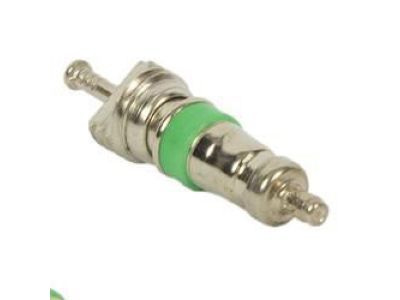
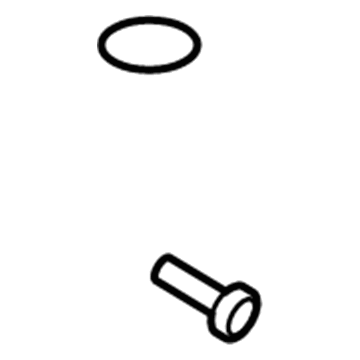
Lincoln Pressure Transducer, Lower Part Number: 6L1Z-19D701-C
$4.58 MSRP: $7.27You Save: $2.69 (37%)Ships in 1-2 Business DaysProduct Specifications- Other Name: Valve Assembly; A/C Service Valve Core, Lower; HVAC Pressure Switch; A/C Compressor Cut-Out Switch
- Position: Lower
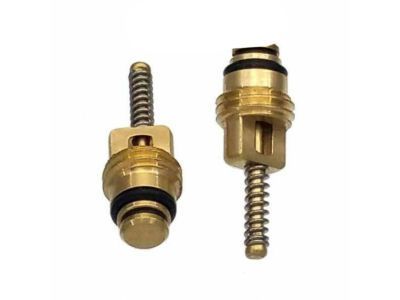

Lincoln Expansion Valve Part Number: F7RZ-19D701-BA
$7.00 MSRP: $11.11You Save: $4.11 (37%)Ships in 1-2 Business DaysProduct Specifications- Other Name: Valve, A/C Adapter, Relief Valve, Core, Switch, Pressure Switch, Expansion Valve
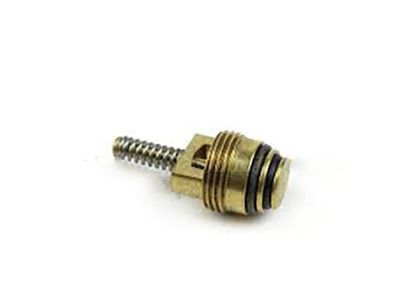

Lincoln Expansion Valve Part Number: 4L3Z-19D701-A
$7.13 MSRP: $11.33You Save: $4.20 (38%)Ships in 1 Business DayProduct Specifications- Other Name: Valve Assembly, A/C Charging Adapters, Valve Cores, Compressor & Expansion Valves, HVAC Switches
- Replaces: 4R3Z-19D701-AA, F8RZ-19D701-AA
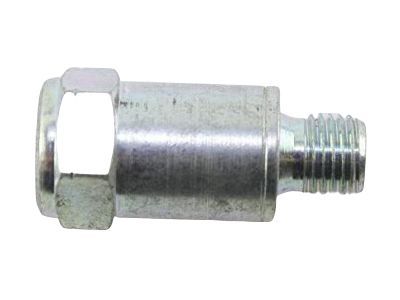
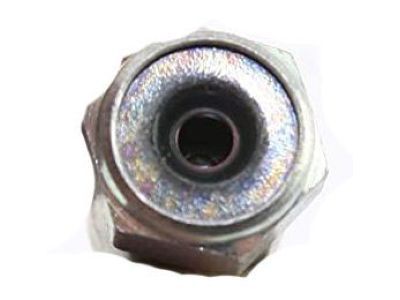

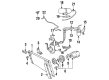
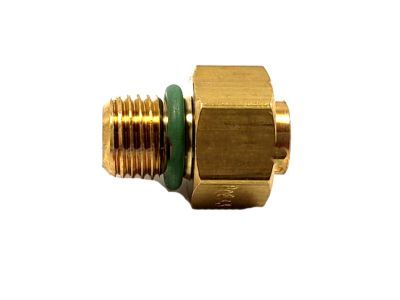
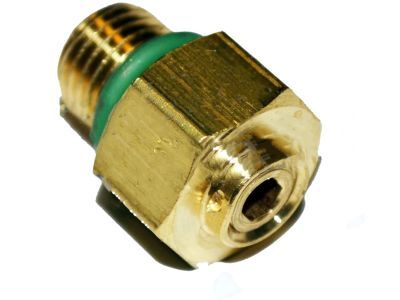
Lincoln Pressure Relief Valve Part Number: F3DZ-19D644-A
$23.47 MSRP: $37.27You Save: $13.80 (38%)Ships in 1-2 Business DaysProduct Specifications- Other Name: Valve Assembly - Pressure Relief; A/C Compressor Relief Valve; Cut-Out Switch; HVAC Pressure Switch; Pressure Valve; Valve Assembly; Pressure Vent
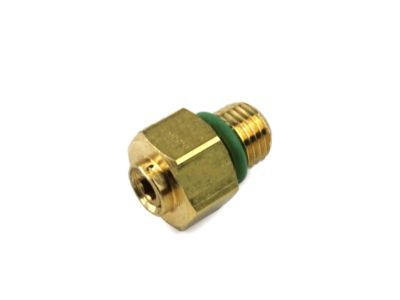
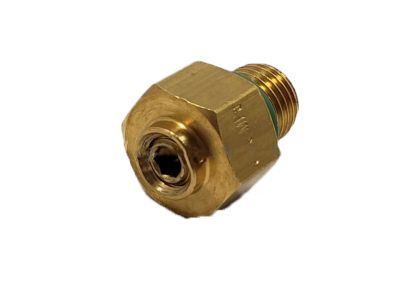
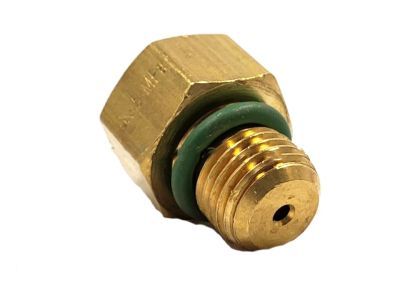
Lincoln Pressure Relief Valve Part Number: F65Z-19D644-AA
$42.59 MSRP: $67.64You Save: $25.05 (38%)Ships in 1 Business DayProduct Specifications- Other Name: Valve Assembly - Pressure Relief; A/C Compressor Relief Valve; Cut-Out Switch; HVAC Pressure Switch
- Replaces: F65Z-19D644-A1A
Lincoln Expansion Valve Part Number: F4XY-19D701-A
$23.47 MSRP: $37.27You Save: $13.80 (38%)Ships in 1-2 Business DaysProduct Specifications- Other Name: Valve Assembly; Core Assembly
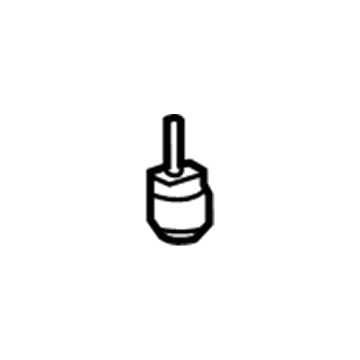
Lincoln Fill Valve, Upper Part Number: 6L1Z-19D701-B
$27.82 MSRP: $44.18You Save: $16.36 (38%)Ships in 1 Business DayProduct Specifications- Other Name: Valve Assembly; A/C Service Valve Core; A/C Compressor Cut-Out Switch; HVAC Pressure Switch
- Position: Upper
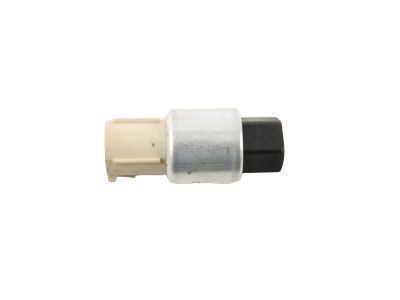

Lincoln Pressure Switch Part Number: 4W1Z-19E561-AA
Product Specifications- Other Name: Switch - Air Conditioning; A/C Compressor Cut-Out Switch; HVAC Pressure Switch; A/C Trinary Switch; HVAC System Switch
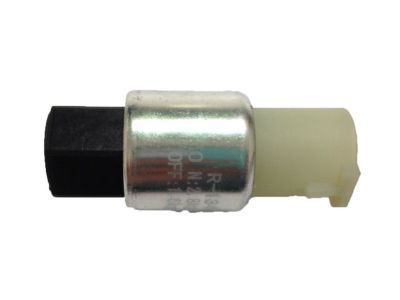
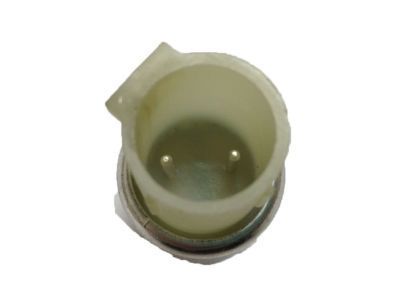
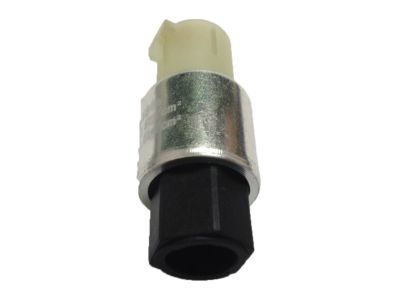
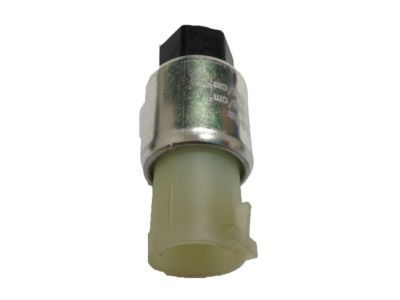
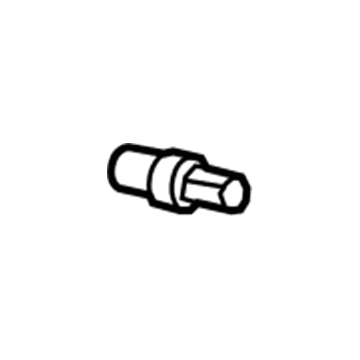
Lincoln Pressure Switch, Rear Part Number: F6RZ-19E561-AA
Product Specifications- Other Name: Switch - Air Conditioning; A/C Clutch Cycle Switch; A/C Safety Switch; HVAC Pressure Switch; Compressor Cut-Out Switch
- Position: Rear
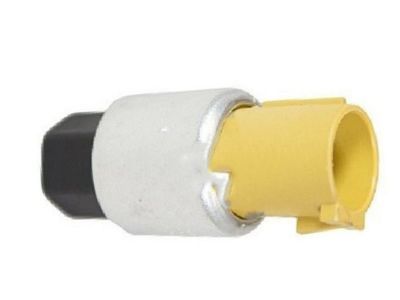

Lincoln Pressure Switch Part Number: 3W1Z-19E561-AA
Product Specifications- Other Name: Switch - Air Conditioning; HVAC Pressure Switch; A/C Compressor Cut-Out Switch; A/C Trinary Switch; HVAC System Switch
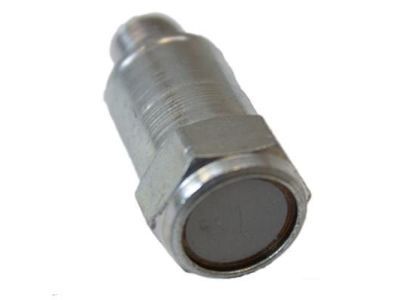
Lincoln Pressure Relief Valve Part Number: 1L2Z-19D644-AA
Product Specifications- Other Name: Valve Assembly - Pressure Relief; A/C Compressor Cut-Out Switch; HVAC Pressure Switch; HVAC System Switch; Relief Valve; Valve Assembly
- Manufacturer Note: Valve Assy - Air Conditioning Compressor Pressure Relief
| Page 1 of 2 |Next >
1-20 of 23 Results
Lincoln A/C System Valve Core
If you own Lincoln and want to keep it in top shape, choosing OEM A/C System Valve Core is a smart move. They are precisely engineered and follow strict factory standards. They are made in advanced facilities that use cutting edge technology. Each part goes through thorough testing to confirm strength and safety, so you can trust it. FordPartsDeal.com gives you genuine Lincoln A/C System Valve Core at some of the affordable online prices without cutting quality. Every OEM Lincoln part includes the manufacturer's warranty, easy returns, and super-fast delivery. So why wait? Shop now and get your vehicle back to peak condition.
Lincoln A/C System Valve Core ensures that refrigerant remains as tight as possible while allowing you to have you gauge connected up in a hurry, which gives you cool confidence on the road. Lincoln cars are distinguished by whisper quiet cabins that were designed by the Quiet Flight philosophy, soft touch fabrics and clear display that reduces stress. Co-Pilot360 safety tools that include lane keeping, blind spot alerts, automatic high beams and parking assist are gained by the owners and it is this commitment that makes Lincoln stay ahead of the competition with comfort and safety. Lincoln has expanded since it began in 1917 and partnered with Ford in 1922 based on listening to the drivers and introducing new technology annually. A modern Lincoln cabin has a perfect pressure inside it, and the A/C System Valve Core is the small spring-loaded insert, which prevents the leakage until the hose presses the pin. Installing a new A/C System Valve Core requires that the system is at zero pressure first and the eye and hand protection is put on. Take off the service cap, screw on a valve core tool, turn anti-clockwise and take the old one away. Clean port, examine threads, drop of lubricant to replacement, and thread it in finger-tight and lastly twist it on without over-tightening. After fitting the A/C System Valve Core, fit the cap with a healthy O-ring, fill the refrigerant, and spray soapy water around the joint and look out to see if there are bubbles indicating leakages.