FordParts
My Garage
My Account
Cart
OEM Lincoln Navigator Fuel Rail
Engine Fuel Rail- Select Vehicle by Model
- Select Vehicle by VIN
Select Vehicle by Model
orMake
Model
Year
Select Vehicle by VIN
For the most accurate results, select vehicle by your VIN (Vehicle Identification Number).
12 Fuel Rails found
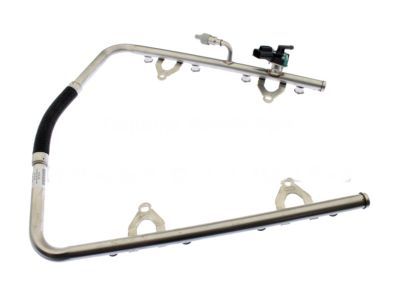
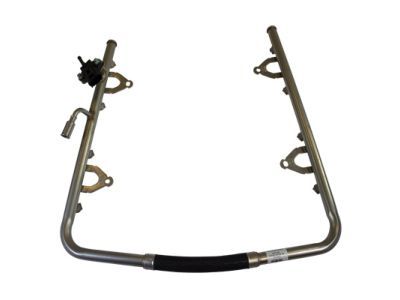
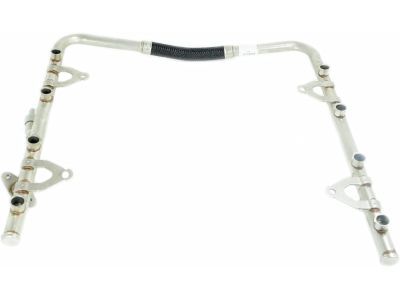
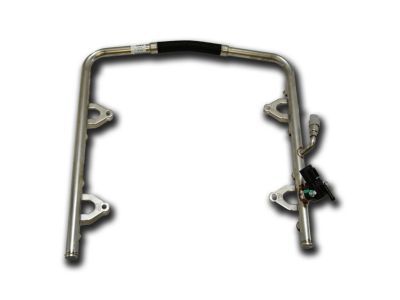
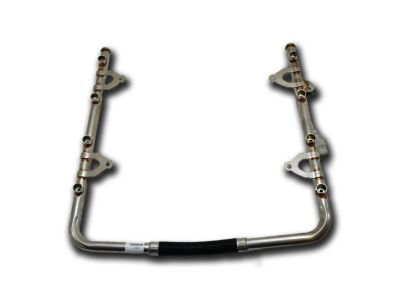
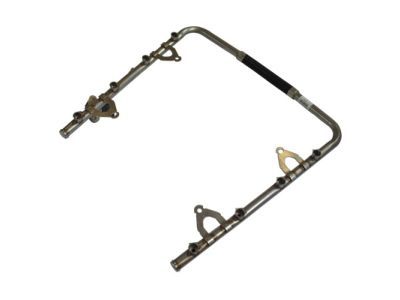
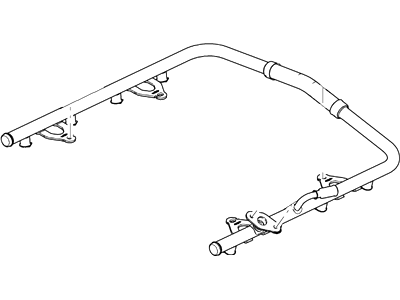
Lincoln Navigator Fuel Rail Part Number: 5C3Z-9F792-DA
$413.14 MSRP: $606.67You Save: $193.53 (32%)Ships in 1-3 Business Days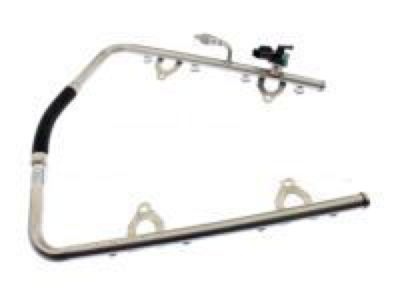
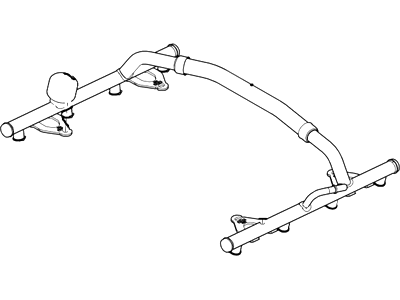
Lincoln Navigator Fuel Rail Part Number: 9L3Z-9F792-H
$499.40 MSRP: $733.33You Save: $233.93 (32%)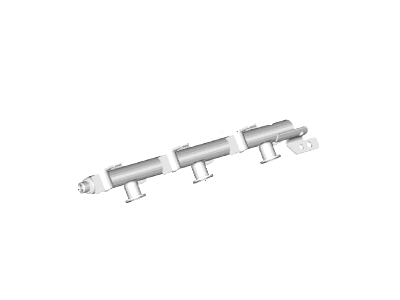
Lincoln Navigator Fuel Rail, Driver Side Part Number: BL3Z-9D280-B
$209.72 MSRP: $356.36You Save: $146.64 (42%)Ships in 1-3 Business Days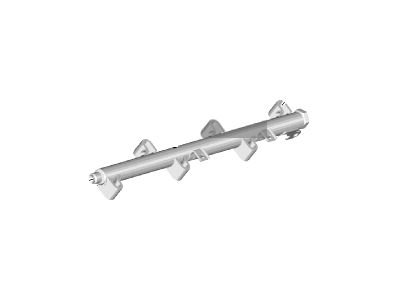
Lincoln Navigator Fuel Rail, Passenger Side Part Number: BL3Z-9D280-A
$222.56 MSRP: $378.18You Save: $155.62 (42%)Ships in 1-3 Business Days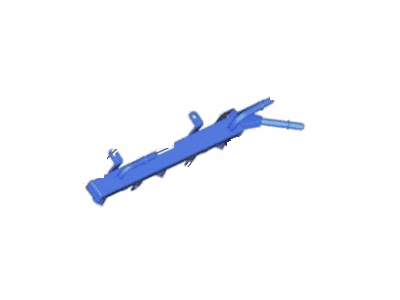
Lincoln Navigator Fuel Rail Part Number: HL3Z-9D280-E
$221.33 MSRP: $354.55You Save: $133.22 (38%)Ships in 1-3 Business Days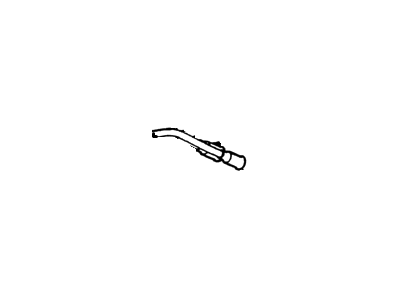
Lincoln Navigator Fuel Rail Part Number: XL1Z-9F792-DG
$757.35 MSRP: $1122.00You Save: $364.65 (33%)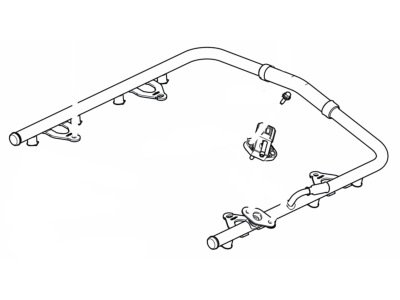
Lincoln Navigator Fuel Rail Part Number: 7L1Z-9F792-B
$135.98 MSRP: $185.04You Save: $49.06 (27%)Ships in 1-2 Business Days
Lincoln Navigator Fuel Rail Part Number: HL3Z-9D280-F
$177.48 MSRP: $281.82You Save: $104.34 (38%)Ships in 1-3 Business Days
Lincoln Navigator Fuel Rail Part Number: ML3Z-9D280-A
$195.22 MSRP: $312.73You Save: $117.51 (38%)Ships in 1-2 Business DaysLincoln Navigator Fuel Rail Part Number: ML3Z-9D280-B
$198.63 MSRP: $318.18You Save: $119.55 (38%)Ships in 1-2 Business DaysLincoln Navigator Manifold Assembly - Fuel Supply Part Number: RL3Z-9F792-A
$324.61 MSRP: $476.67You Save: $152.06 (32%)Ships in 1-2 Business DaysLincoln Navigator Fuel Rail Part Number: ML3Z-9F792-A
$390.44 MSRP: $573.33You Save: $182.89 (32%)Ships in 1-2 Business Days
Lincoln Navigator Fuel Rail
OEM Fuel Rail boasts unmatched quality. Each part goes through full quality checks. They adhere to Lincoln's official factory standards. These steps remove flaws and inconsistencies. So you can get Fuel Rail with long life and a perfect fit. Come to our website and find genuine Lincoln Navigator parts. We keep a wide inventory of OEM Navigator parts at the highly affordable prices. It's easy to search, compare, and pick what you need. You'll love the clear info and simple checkout. We offer top-rated customer service, and we reply fast. We also ship promptly to ensure your order arrives on time.
Lincoln Navigator Fuel Rail Parts and Q&A
- Q: How should one safely service the fuel rail and what steps are involved in the process on Lincoln Navigator?A:It is crucial to protect safety during fuel rail service because the presence of flammable mixtures requires users to stay away from fuel components when using lighted tobacco or open flames or when smoking. Releasing fuel system pressure first becomes essential before disconnection of any fuel tubes or components because high pressure conditions persist even while the engine is turned off. The process of handling fuel injection equipment should combine cleanliness protocols while using blanking plugs to seal open orifices and tubes to stop engine damage from occurring. Professionals should start by disconnecting the battery ground cable followed by disconnection of the fuel supply tube spring lock coupling. You should first remove the air cleaner outlet pipe and then disconnect the quick connect couplings to detach the crankcase vent tube. You should detach the generator wiring harness retainer from the air cleaner outlet pipe-to-throttle body adapter before removing the four bolts which secure this adapter. Before restoring the adapter apply engine coolant to the seal and tighten each bolt to 10 Nm (89 lb-in). Proceed with the removal of the PCV tube by unfastening the quick connect couplings after you disconnect the electronic throttle control and Throttle Position Sensor and heated PCV intake fitting and the eight Fuel Injector electrical connectors. Reinstall the fuel rails using the same torque pattern of 10 Nm (89 lb-in). You should extract the fuel rail together with fuel injectors before removing their eight locking clips. Special engine oil lubrication of new fuel-resistant O-ring seals is required before use. Replace all old seals during the installation process. Execution of the reverse removal process completes the installation procedure.
- Q: What are the crucial steps and safety precautions for servicing the Fuel Rail on Lincoln Navigator?A:It is essential to follow safety precautions before servicing the fuel injection supply manifold because highly flammable fuel mixtures exist during the process while pressurized fuel remains even when the engine stops. The first step should involve reducing fuel pressure before taking off the upper intake manifold while sealing the fuel lines once separated. You should proceed by removing both fuel lines alongside the Fuel Pressure Regulator vacuum hose. Unplug each of the eight Fuel Injector electrical connectors while keeping in mind that the left-side configuration serves as an example although the right side matches it. You need to detach the fuel injection supply manifold that includes all its fuel injectors using bolt removal. To complete the task inspect both seals on each fuel injector before replacing worn seals with new ones. Clean engine oil should be used to lubricate the new O-rings before installation by following the opposite order of removal steps for proper fitting.
Related Lincoln Navigator Parts
 Lincoln Navigator Air Filter
 Lincoln Navigator Fuel Filler Hose
 Lincoln Navigator Fuel Injector
 Lincoln Navigator Fuel Injector O-Rings
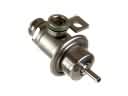 Lincoln Navigator Fuel Pressure Regulator
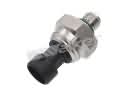 Lincoln Navigator Fuel Pressure Sensor
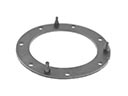 Lincoln Navigator Fuel Pump Gasket
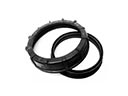 Lincoln Navigator Fuel Pump Seal
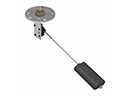 Lincoln Navigator Fuel Sending Unit
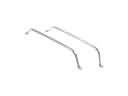 Lincoln Navigator Fuel Tank Strap
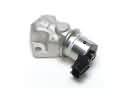 Lincoln Navigator Idle Control Valve
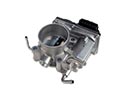 Lincoln Navigator Throttle Body