FordParts
My Garage
My Account
Cart
OEM Mercury Control Arm Bracket
Suspension Arm Bracket- Select Vehicle by Model
- Select Vehicle by VIN
Select Vehicle by Model
orMake
Model
Year
Select Vehicle by VIN
For the most accurate results, select vehicle by your VIN (Vehicle Identification Number).
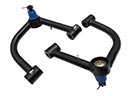
5 Control Arm Brackets found
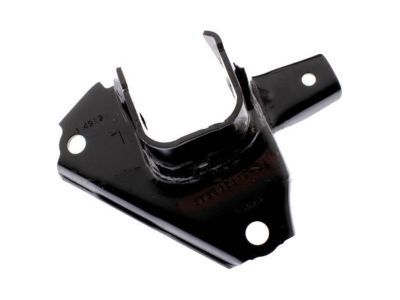
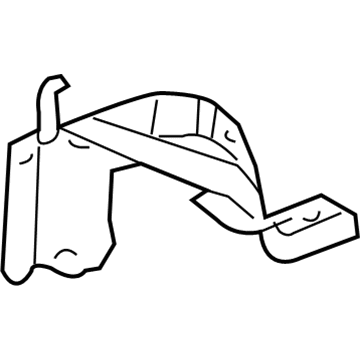
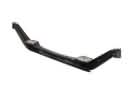
Mercury Upper Bracket, Driver Side Part Number: 7E5Z-18165-L
Product Specifications- Other Name: Bracket; Strut Mount Rear
- Position: Driver Side
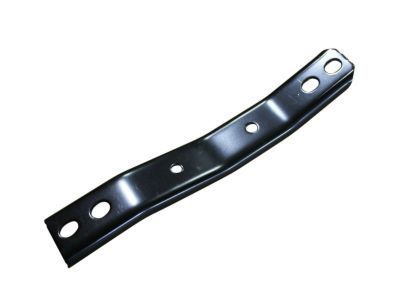
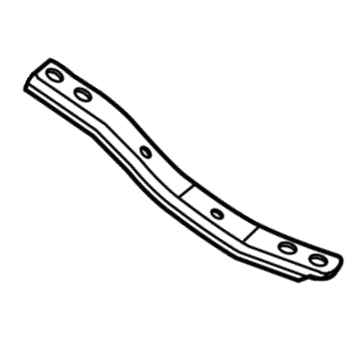
Mercury Support Bracket Part Number: 6E5Z-18164-A
Product Specifications- Other Name: Reinforcement; Suspension Crossmember Reinforcement
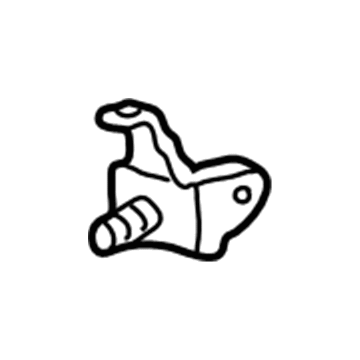
Mercury Shock Mount Bracket Part Number: F4ZZ-18164-B
Product Specifications- Other Name: Bracket; Strut Mount Rear; Shock Bracket; Shock Absorber Mount Bracket; Shock Lower Bracket
Mercury Upper Bracket, Passenger Side Part Number: 7E5Z-18164-R
Product Specifications- Other Name: Bracket; Strut Mount Rear
- Position: Passenger Side

Mercury Lower Control Arm Bracket Part Number: F3XY-5K489-A
Product Specifications- Other Name: Bracket; Control Arm Bracket
- Position: Lower
Mercury Control Arm Bracket
If you own Mercury and want to keep it in top shape, choosing OEM Control Arm Bracket is a smart move. They are precisely engineered and follow strict factory standards. They are made in advanced facilities that use cutting edge technology. Each part goes through thorough testing to confirm strength and safety, so you can trust it. FordPartsDeal.com gives you genuine Mercury Control Arm Bracket at some of the affordable online prices without cutting quality. Every OEM Mercury part includes the manufacturer's warranty, easy returns, and super-fast delivery. So why wait? Shop now and get your vehicle back to peak condition.
The Mercury Control Arm Bracket maintains the straightness of the front suspension and offers the drivers the stable smooth ride that has never associated Mercury with the common brands. Mercury was born in 1938, and it was soon known as being a carmaker of middle proportions, with cushioning handling, cabin silencing, and flowing bodies that made it seem to have been inspired by the Roman messenger. By using models such as the Cougar and the Grand Marquis, Mercury struck a balance between comfort and affordability, perfecting the interiors to shut out road noise and upgrading basic technology on a ten year cycle, and despite the fact that it was discontinued in 2011, Mercury was an embodiment of affordable luxury, and tuned suspension systems. A Control Arm Bracket is a firm chassis mold that secures the control arm in their location to maintain wheel positioning and rigidity at each turn and pause. The Control Arm Bracket of Mercury applies strong steel and accurate points of bolts to preserve the factory geometry and prevent early wear of tires. The installation of a Control Arm Bracket begins with the process of parking the car on a flat surface, putting the brake down, lifting up the car and ensuring that it is supported by heavy stands. Installation: take off the wheel, label places of alignment on other parts, and unbolt the worn bracket and the control arm where necessary, then wipe all contact points. Install the new bracket, thread bolts with the fingers, re-fit the bushings and the control arm, align the marks and tighten it to specifications with the suspension at normal height. Lastly, assemble the wheel, lower the car, and verify that it is straight and then give the car a brief road test to ensure a stable rattle-free ride.