FordParts
My Garage
My Account
Cart
OEM Mercury Sway Bar Bracket
Stabilizer Sway Bar Bracket- Select Vehicle by Model
- Select Vehicle by VIN
Select Vehicle by Model
orMake
Model
Year
Select Vehicle by VIN
For the most accurate results, select vehicle by your VIN (Vehicle Identification Number).
34 Sway Bar Brackets found
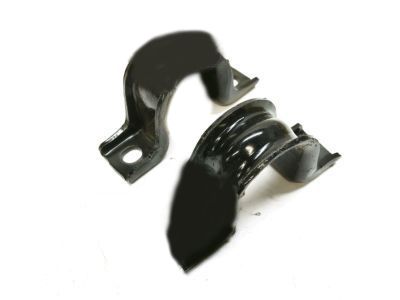
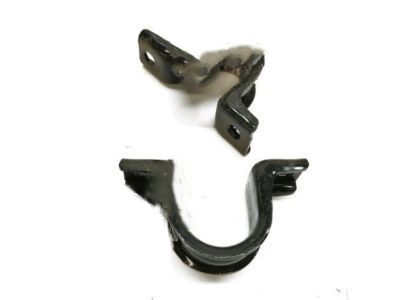
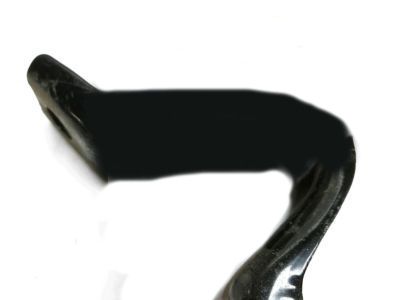
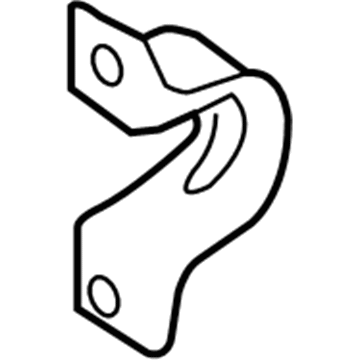
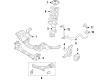
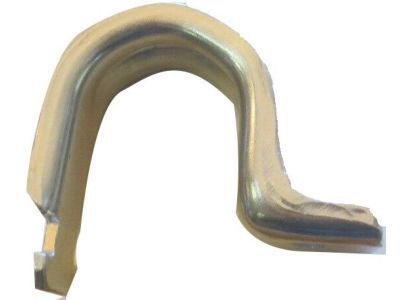
Mercury Stabilizer Bar Bracket, Front Part Number: 4W1Z-5486-BA
$10.65 MSRP: $15.09You Save: $4.44 (30%)Product Specifications- Other Name: Bracket; Suspension Stabilizer Bar Bracket, Front; Sway Bar Bracket; Bushing Bracket
- Position: Front
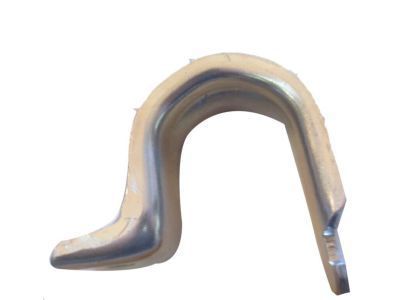
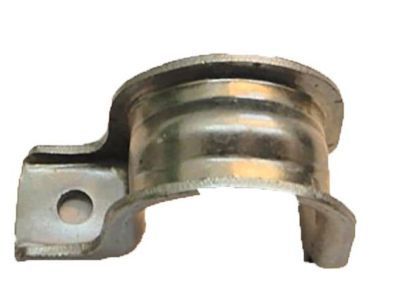
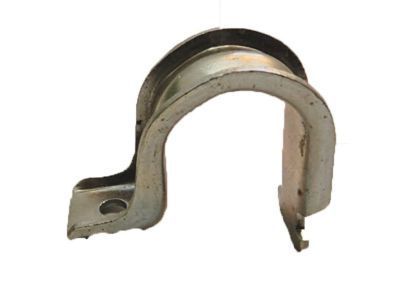
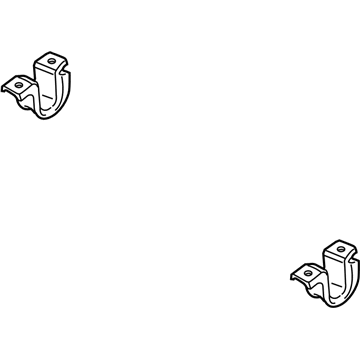
Mercury Stabilizer Bar Bracket, Rear Part Number: 3W1Z-5486-AA
$7.34 MSRP: $10.42You Save: $3.08 (30%)Ships in 1-3 Business DaysProduct Specifications- Other Name: Bracket - Stabilizer Bar; Suspension Stabilizer Bar Bracket, Rear; Sway Bar Bracket; Stabilizer Bar Clamp; Bushing Bracket; Bracket
- Manufacturer Note: Rear
- Position: Rear
- Replaces: FOVY-5486-A
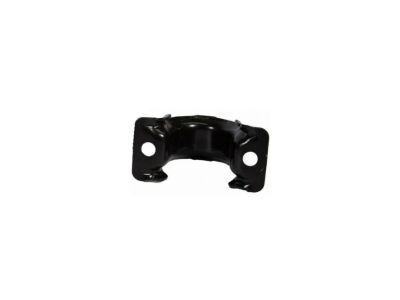
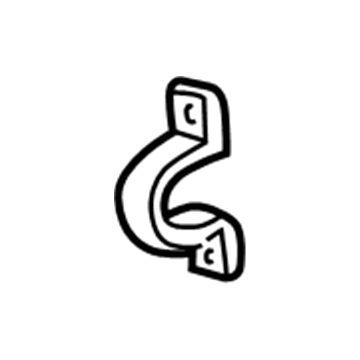
Mercury Stabilizer Bar Bracket, Front Part Number: F87Z-5486-BA
$8.14 MSRP: $11.54You Save: $3.40 (30%)Product Specifications- Other Name: Bracket; Suspension Stabilizer Bar Bracket, Front; Sway Bar Bracket; Insulator Bracket; Stabilizer Bar Retainer
- Manufacturer Note: Front - Retainer
- Position: Front
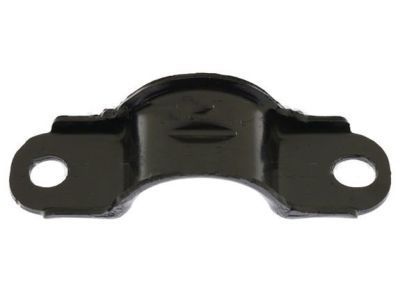
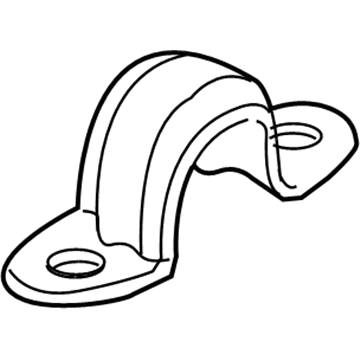
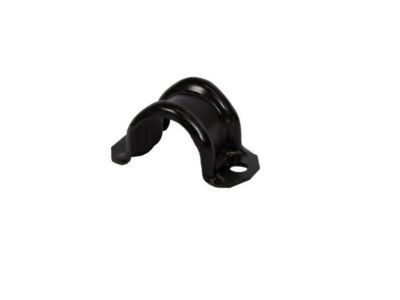
Mercury Stabilizer Bar Bracket, Front Part Number: 9L8Z-5486-B
$9.44 MSRP: $13.39You Save: $3.95 (30%)Ships in 1-3 Business DaysProduct Specifications- Other Name: Bracket; Suspension Stabilizer Bar Bracket, Front; Sway Bar Bracket; Bushing Bracket
- Position: Front
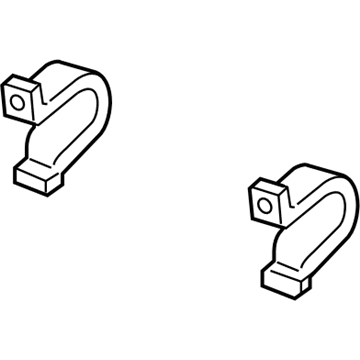
Mercury Stabilizer Bar Bracket, Rear Part Number: 4R3Z-5486-AA
$10.96 MSRP: $15.55You Save: $4.59 (30%)Ships in 1-3 Business DaysProduct Specifications- Other Name: Bracket; Suspension Stabilizer Bar Bracket, Rear; Suspension Stabilizer Bar Kit; Stabilizer Bar Kit; Sway Bar Bracket; Stabilizer Bar Retainer
- Position: Rear
- Replaces: E6DZ-5486-A
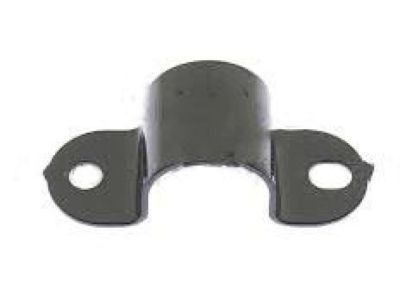

Mercury Stabilizer Bar Bracket, Rear Part Number: 9L2Z-5486-AA
$15.51 MSRP: $22.00You Save: $6.49 (30%)Ships in 1-3 Business DaysProduct Specifications- Other Name: Bracket; Suspension Stabilizer Bar Bracket, Rear; Sway Bar Bracket; Bushing Bracket
- Position: Rear
- Replaces: 6L2Z-5486-AB
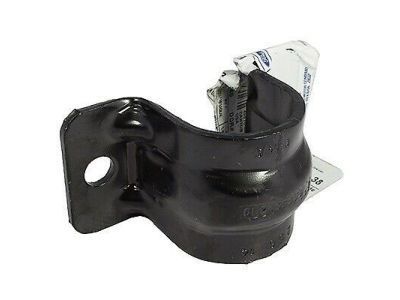
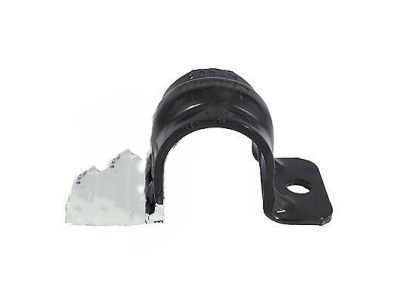
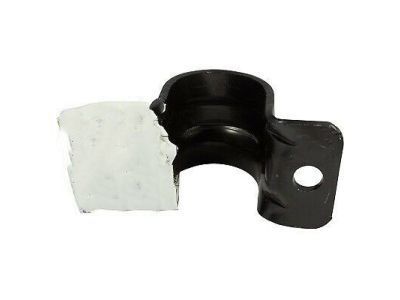
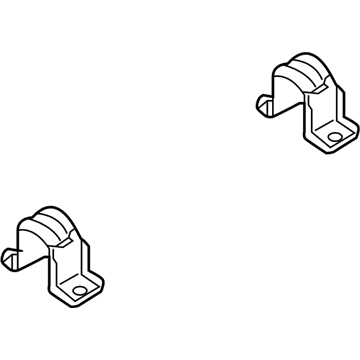
Mercury Stabilizer Bar Bracket, Front Part Number: 6L2Z-5486-AA
$12.46 MSRP: $17.66You Save: $5.20 (30%)Ships in 1-3 Business DaysProduct Specifications- Other Name: Bracket; Suspension Stabilizer Bar Bracket, Front; Sway Bar Bracket
- Position: Front
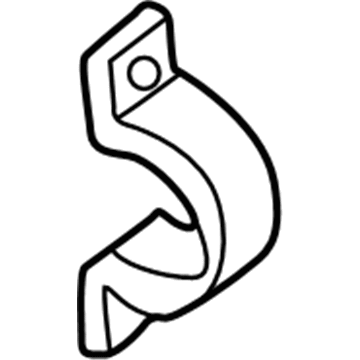
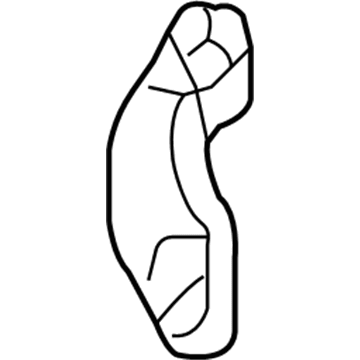
Mercury Stabilizer Bar Bracket, Rear Part Number: F57Z-5486-B
$45.09 MSRP: $64.50You Save: $19.41 (31%)Product Specifications- Other Name: Bracket - Stabilizer Bar; Suspension Stabilizer Bar Bracket, Rear
- Manufacturer Note: Rear
- Position: Rear
Mercury Mounting Bracket, Rear Part Number: 3M8Z-5B498-A
$31.26 MSRP: $44.33You Save: $13.07 (30%)Ships in 1-2 Business DaysProduct Specifications- Other Name: Bracket; Suspension Stabilizer Bar Bracket, Rear; Sway Bar Bracket; Stabilizer Bar Bracket; Bushing Bracket
- Position: Rear
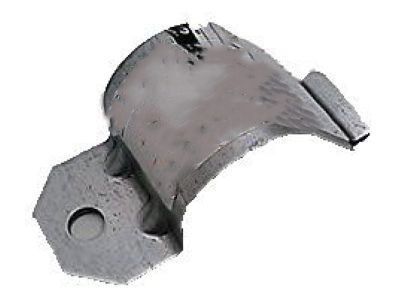
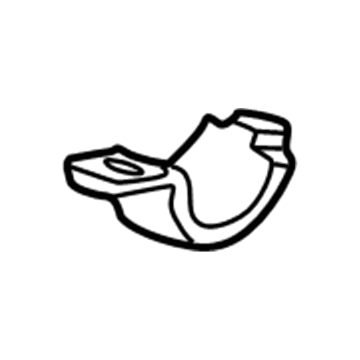
Mercury Stabilizer Bar Bracket, Rear Part Number: F6DZ-5486-AA
Product Specifications- Other Name: Bracket; Suspension Stabilizer Bar Bracket, Rear; Sway Bar Bracket; Stabilizer Bar Clamp
- Manufacturer Note: Rear
- Position: Rear
- Replaces: E6DZ-5486-C
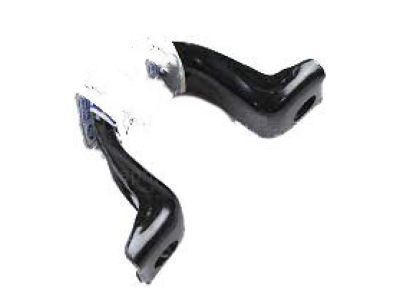
Mercury Stabilizer Bar Bracket, Front Part Number: F1VY-5486-A
Product Specifications- Other Name: Bracket; Sway Bar Bracket
- Position: Front
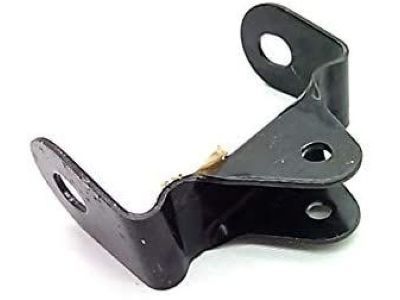
Mercury Stabilizer Bar Bracket, Front Part Number: FOTZ-5486-B
Product Specifications- Other Name: Bracket; Suspension Stabilizer Bar Bracket, Front; Sway Bar Bracket; Stabilizer Bar Clamp; Stabilizer Link Bracket
- Position: Front
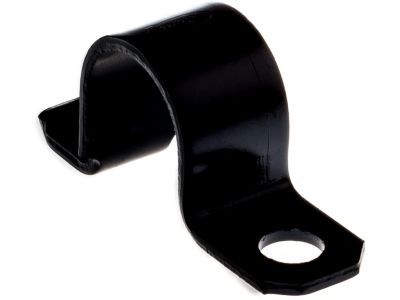
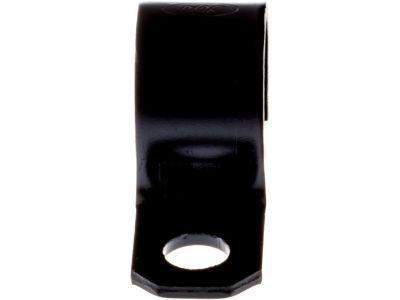
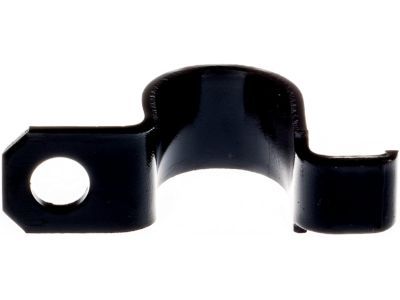
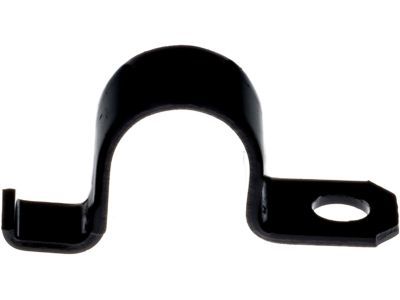
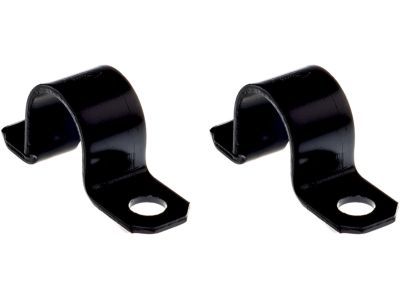
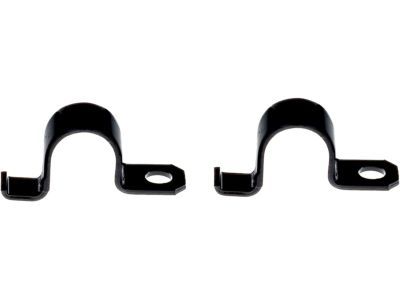
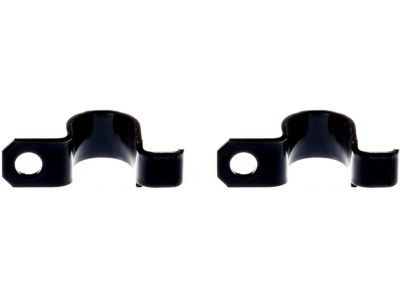
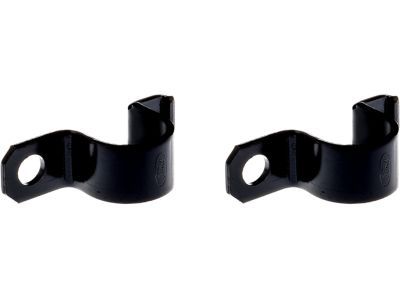
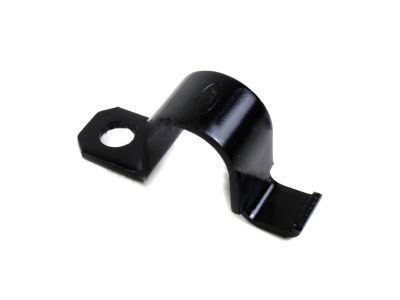
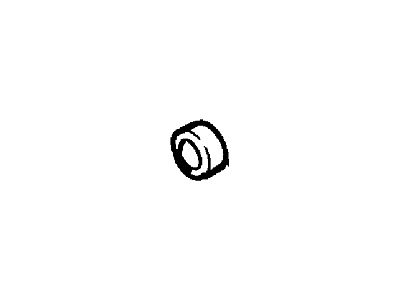
Mercury Stabilizer Bar Bracket, Rubber Part Number: F7RZ-5486-A
Product Specifications- Other Name: Clamp - Rubber Bush; Sway Bar Bracket; Bushing Bracket; Bracket
- Manufacturer Note: Clamp, rear stabilizer mount
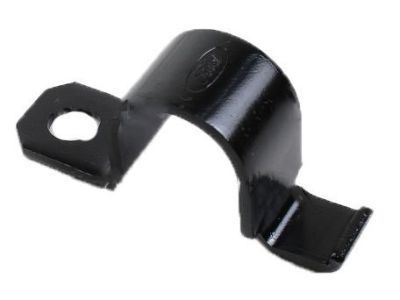
Mercury Stabilizer Bar Clamp Part Number: F5RZ-5486-A
Product Specifications- Other Name: Clamp; Sway Bar Bracket; Bushing Bracket; Bracket
- Manufacturer Note: Clamp, front anti-roll mount
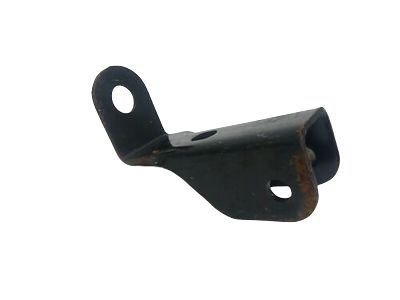
Mercury Stabilizer Bar Bracket, Front Part Number: F1TZ-5486-A
Product Specifications- Other Name: Bracket; Sway Bar Bracket; Stabilizer Bar Clamp
- Manufacturer Note: Front , bracket , 4x2
- Position: Front
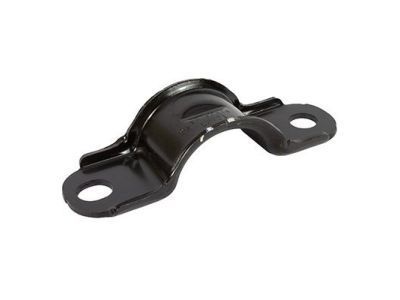
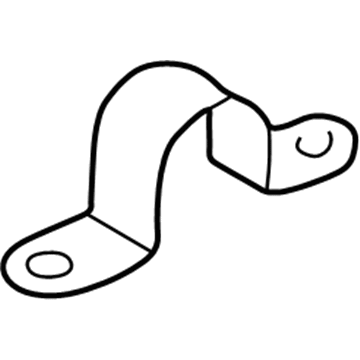
Mercury Stabilizer Bar Bracket, Front Part Number: 5L8Z-5486-AA
Product Specifications- Other Name: Bracket; Suspension Stabilizer Bar Bracket, Front; Sway Bar Bracket; Bushing Bracket
- Position: Front
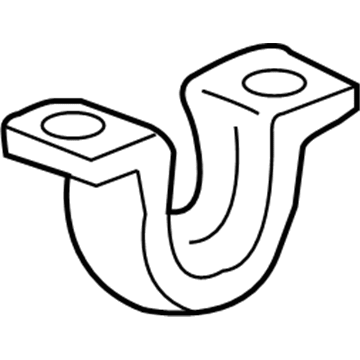
Mercury Stabilizer Bar Bracket, Front Part Number: 4L2Z-5486-AA
$16.22 MSRP: $23.00You Save: $6.78 (30%)Product Specifications- Other Name: Bracket; Suspension Stabilizer Bar Bracket, Front; Sway Bar Bracket
- Position: Front
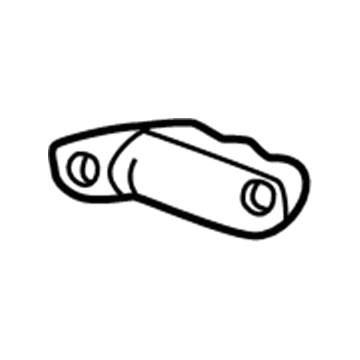
 Product Specifications
- Other Name: Bracket - Stabilizer; Suspension Stabilizer Bar Bracket, Rear Right; Sway Bar Bracket; Bracket; Bracket - Stabilizer Bar
- Position: Passenger Side
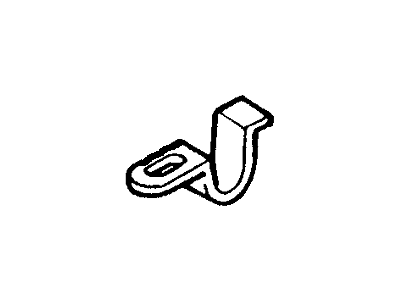
Mercury Stabilizer Bar Bracket, Rear Part Number: F1CZ-5486-B
Product Specifications- Other Name: Bracket
- Position: Rear
- Product Specifications
- Other Name: Bracket - Stabilizer; Suspension Stabilizer Bar Bracket, Rear Left; Sway Bar Bracket; Bracket; Bracket - Stabilizer Bar
- Position: Driver Side
| Page 1 of 2 |Next >
1-20 of 34 Results
Mercury Sway Bar Bracket
If you own Mercury and want to keep it in top shape, choosing OEM Sway Bar Bracket is a smart move. They are precisely engineered and follow strict factory standards. They are made in advanced facilities that use cutting edge technology. Each part goes through thorough testing to confirm strength and safety, so you can trust it. FordPartsDeal.com gives you genuine Mercury Sway Bar Bracket at some of the affordable online prices without cutting quality. Every OEM Mercury part includes the manufacturer's warranty, easy returns, and super-fast delivery. So why wait? Shop now and get your vehicle back to peak condition.
Mercury Sway Bar Bracket enhances handling by attaching the rubber bushing on the stabilizer bar to the chassis and it can be said the bracket is a minor yet critical connection in the sporty driving experience that Mercury created during its long history. Mercury introduced in 1938 and soon gained a reputation of mid sized models that were easy to ride, had sharp style and had cabins large enough to hold family trips. Fans of the brand had a preference to Mercury interiors that were more quiet, had sophisticated suspension tuning, and the popular Cougar and grand marquis that gave the brand a balance of comfort and value until the brand was discontinued in 2011. The owners enjoy those hallmarks today and to be kept alive it all begins with parts like the Sway Bar Bracket. A Sway Bar Bracket is a bracket shaped like U and is applied to secure the sway bar to the body of the car to enable the bar counteract the movement of the body to the right or left and maintain the car level during turns. It is easy to replace one at home. Find the brackets by parking on a level ground, positioning wheel chocks, lifting and holding the front part high and firmly, then positioning the brackets. Record the orientation, loosen and remove the bolts, take off the worn-out bracket and check the bushing. Install new grease, insert new bushing, insert new Mercury Sway Bar Bracket on it, and begin to attach bolts by hand, and then evenly tighten. Do the same on the other side, and reduce the car, then make a short test run to make sure that there is no noise and the steering remains steady.
Related Mercury Parts
 Mercury Axle Beam
 Mercury Axle Shaft
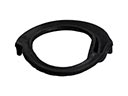 Mercury Coil Spring Insulator
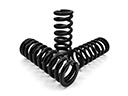 Mercury Coil Springs
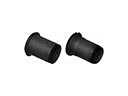 Mercury Control Arm Bushing
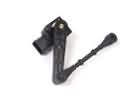 Mercury Ride Height Sensor
 Mercury Shock Absorber
 Mercury Shock and Strut Boot
 Mercury Sway Bar Link Bushing
 Mercury Track Bar
 Mercury Trailing Arm
 Mercury Trailing Arm Bushing