FordParts
My Garage
My Account
Cart
OEM Mercury Lateral Arm
Lateral Link- Select Vehicle by Model
- Select Vehicle by VIN
Select Vehicle by Model
orMake
Model
Year
Select Vehicle by VIN
For the most accurate results, select vehicle by your VIN (Vehicle Identification Number).
19 Lateral Arms found
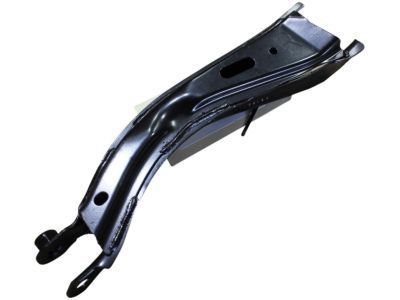
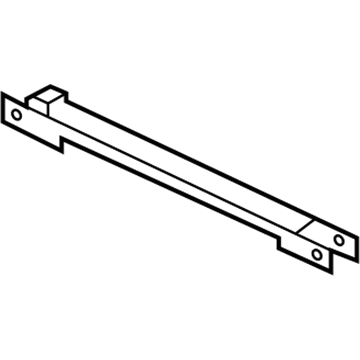
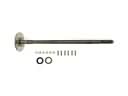
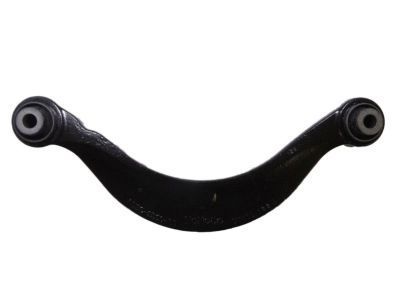
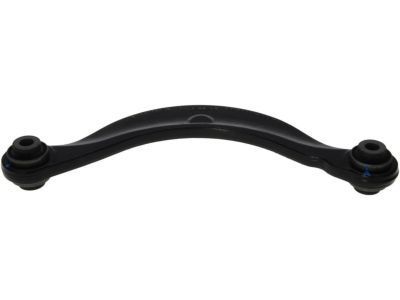
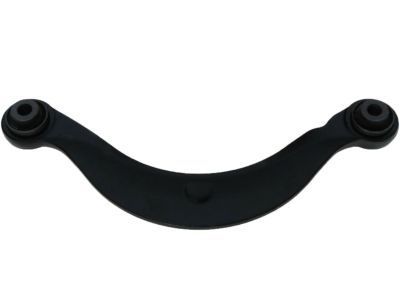
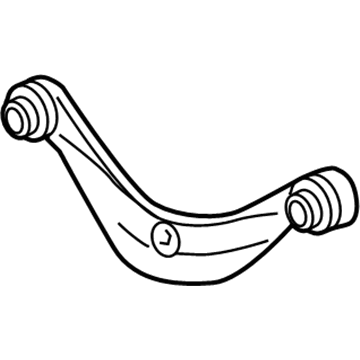
Mercury Trailing Arm, Rear Lower Passenger Side Part Number: 8G1Z-5500-AA
$55.77 MSRP: $77.15You Save: $21.38 (28%)Ships in 1-2 Business DaysProduct Specifications- Other Name: Arm Assembly - Rear Suspension; Control Arm, Rear Right Lower Forward; Trailing Arm, Rear Right; Lateral Arm; Link
- Position: Rear Lower Passenger Side
- Replaces: 5F9Z-5500-AR
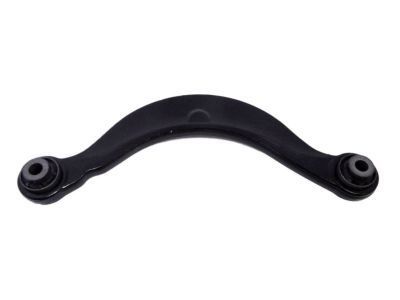
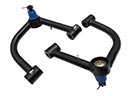
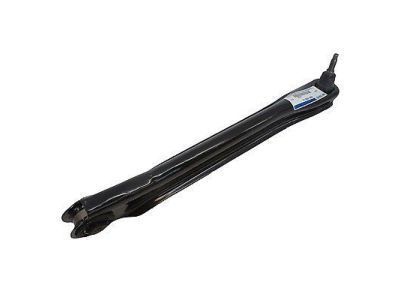
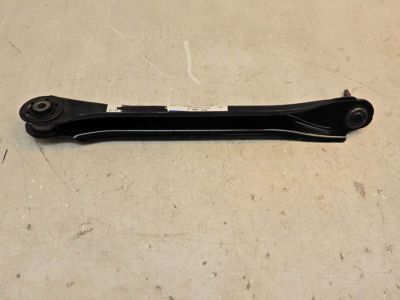
Mercury Upper Control Arm, Rear Part Number: AE5Z-5500-A
$47.18 MSRP: $67.50You Save: $20.32 (31%)Ships in 1-2 Business DaysProduct Specifications- Other Name: Arm Assembly - Rear Suspension; Suspension Control Arm, Rear Upper; Suspension Control Arm; Control Arm
- Position: Rear Upper
- Replaces: 6M8Z-5500-A
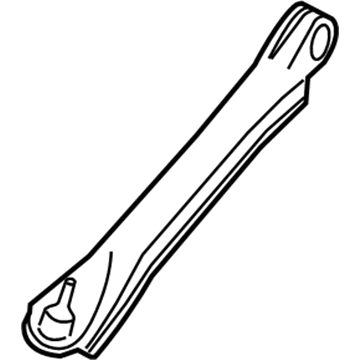
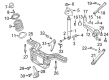
Mercury Lower Control Arm, Rear Driver Side Part Number: 9L8Z-5500-D
$73.59 MSRP: $121.09You Save: $47.50 (40%)Ships in 1-3 Business DaysProduct Specifications- Other Name: Arm Assembly - Rear Suspension; Rear Left Lower Control Arm and Ball Joint Assembly; Integral Link; Lateral Link; Control Arm
- Manufacturer Note: LOWER ARM
- Position: Rear Lower Driver Side
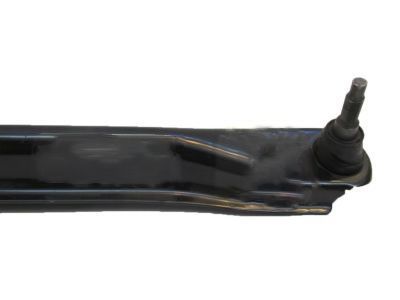
Mercury Lower Control Arm, Rear Passenger Side Part Number: 9L8Z-5500-C
$76.13 MSRP: $125.27You Save: $49.14 (40%)Ships in 1-3 Business DaysProduct Specifications- Other Name: Arm Assembly - Rear Suspension; Rear Right Lower Control Arm and Ball Joint Assembly; Integral Link; Lateral Link; Control Arm
- Manufacturer Note: LOWER ARM
- Position: Rear Lower Passenger Side
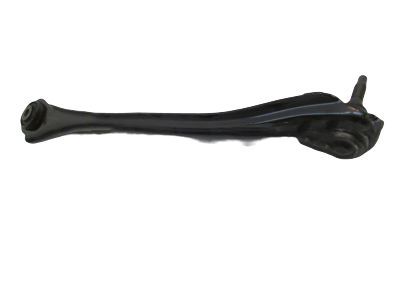
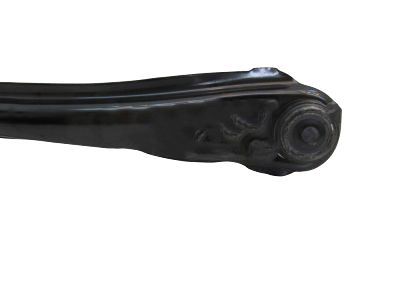
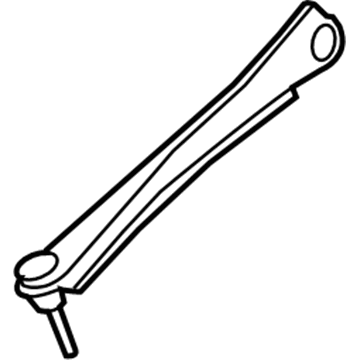
Mercury Upper Control Arm, Rear Passenger Side Part Number: 9L8Z-5500-A
$67.74 MSRP: $111.45You Save: $43.71 (40%)Ships in 1-3 Business DaysProduct Specifications- Other Name: Arm Assembly - Rear Suspension; Rear Right Upper Control Arm and Ball Joint Assembly; Integral Link; Lateral Link; Control Arm
- Manufacturer Note: Upper Arm
- Position: Rear Upper Passenger Side
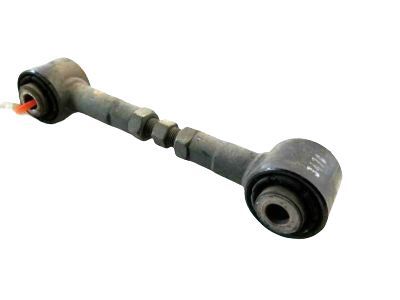
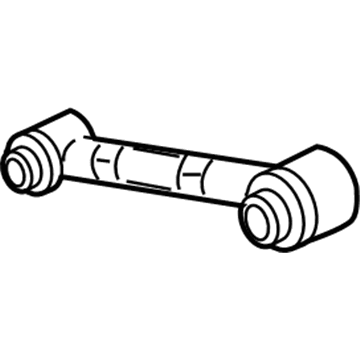
Mercury Lateral Link, Rear Lower Part Number: 9E5Z-5500-A
$77.13 MSRP: $126.91You Save: $49.78 (40%)Ships in 1-3 Business DaysProduct Specifications- Other Name: Arm Assembly - Rear Suspension; Lateral Arm, Rear; Integral Link; Lateral Arm; Lateral Strut
- Position: Rear Lower
- Replaces: 6E5Z-5500-AB
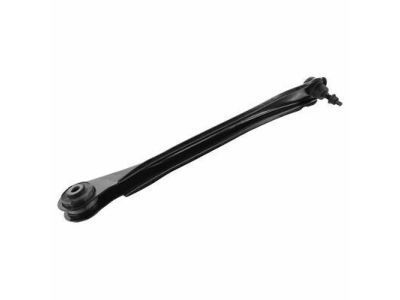
Mercury Upper Control Arm, Rear Driver Side Part Number: 9L8Z-5500-B
$70.99 MSRP: $103.33You Save: $32.34 (32%)Ships in 1-3 Business DaysProduct Specifications- Other Name: Arm Assembly - Rear Suspension; Rear Left Upper Control Arm and Ball Joint Assembly; Integral Link; Lateral Link; Control Arm
- Manufacturer Note: Upper Arm
- Position: Rear Upper Driver Side
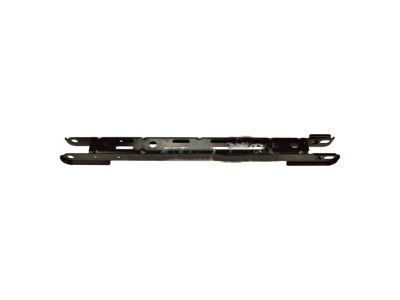
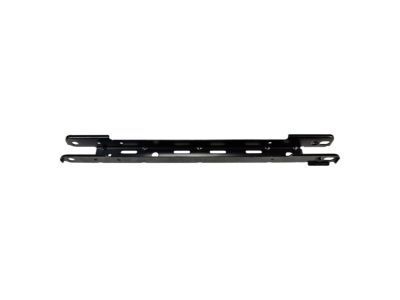
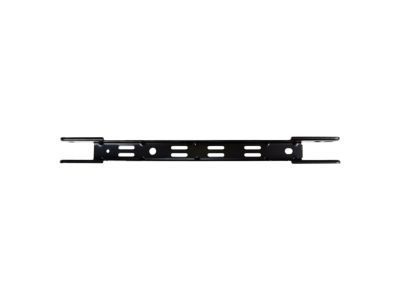
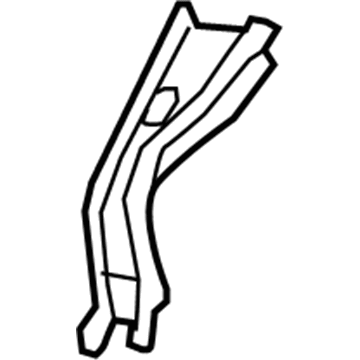
Mercury Track Bar, Rear Part Number: 8G1Z-5500-A
$75.52 MSRP: $102.77You Save: $27.25 (27%)Product Specifications- Other Name: Link; Suspension Control Arm; Suspension Trailing Arm; Suspension Track Bar; Integral Link; Lateral Arm; Trailing Arm; Suspension Control Arm; Control Arm
- Position: Rear
- Replaces: 5F9Z-5500-AA
Mercury Trailing Arm, Rear Lower Driver Side Part Number: 8G1Z-5500-B
$36.55 MSRP: $49.74You Save: $13.19 (27%)Product Specifications- Other Name: Arm Assembly - Rear Suspension; Control Arm, Rear Left Lower Forward; Trailing Arm, Rear Left; Lateral Link; Lateral Arm; Link
- Position: Rear Lower Driver Side
- Replaces: 5F9Z-5500-AL
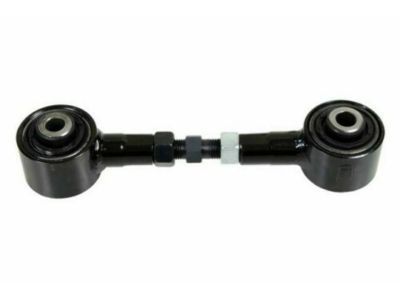
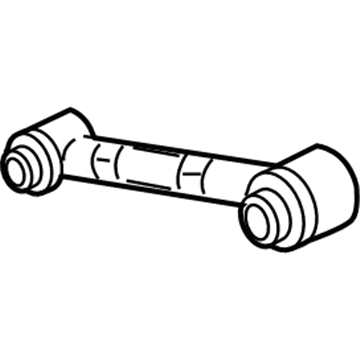
Mercury Lateral Link, Rear Lower Part Number: 9E5Z-5500-B
Product Specifications- Other Name: Arm Assembly - Rear Suspension; Lateral Arm, Rear; Integral Link; Lateral Arm; Lateral Strut
- Position: Rear Lower
- Replaces: 7E5Z-5500-A
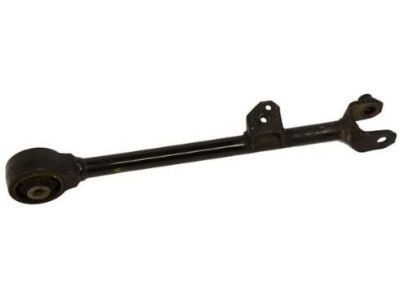
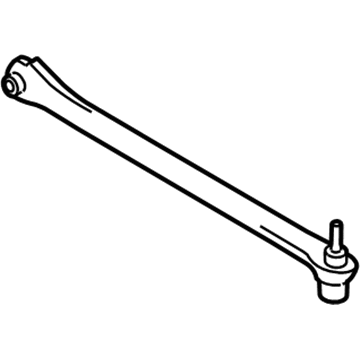
 Product Specifications
- Other Name: Arm Assembly - Rear Suspension; Rear Left/Right Lower Control Arm; Control Arm & Ball Joint Assembly; Link; Lower Link; Control Arm
- Manufacturer Note: RH Lower
- Position: Rear Lower Passenger Side
- Replaces: YL8Z-5500-AC
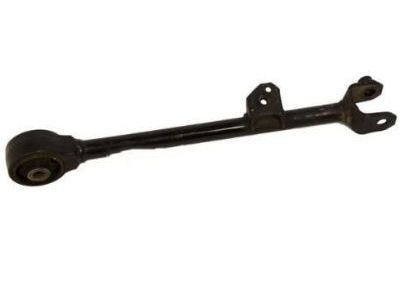
Mercury Lower Control Arm, Rear Driver Side Part Number: 5L8Z-5500-AD
Product Specifications- Other Name: Arm Assembly - Rear Suspension; Rear Left/Right Lower Control Arm; Control Arm & Ball Joint Assembly; Link; Lower Link; Control Arm
- Manufacturer Note: LH Lower
- Position: Rear Lower Driver Side
- Replaces: YL8Z-5500-AD
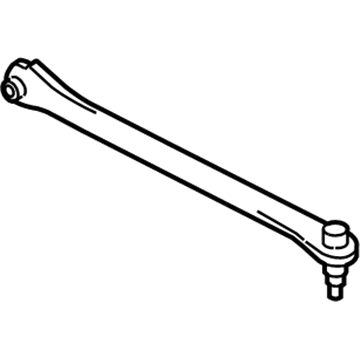 Product Specifications
- Other Name: Link; Rear Right Upper Suspension Control Arm and Ball Joint Assembly.; Lower Link; Control Arm
- Manufacturer Note: RH Upper
- Position: Rear Upper Passenger Side

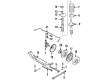
Mercury Trailing Arm, Passenger Side Part Number: FOCZ-5K898-C
Product Specifications- Other Name: Linkage; Rod Assembly
- Manufacturer Note: RH, except GT
- Position: Passenger Side
Mercury Trailing Arm, Driver Side Part Number: FOCZ-5K898-A
Product Specifications- Other Name: Rod; Rod Assembly
- Manufacturer Note: LH, except GT
- Position: Driver Side
Mercury Trailing Arm, Passenger Side Part Number: F7CZ-5K898-AB
Product Specifications- Other Name: Link Assembly - Suspension; Link Assembly - Suspension Levelling
- Manufacturer Note: RH, (54)(58)(74)
- Position: Passenger Side
Mercury Tie Rod Part Number: F5RZ-5K898-A
Product Specifications- Other Name: Rod; Trailing Arm
- Manufacturer Note: disc or drum brakes
Mercury Trailing Arm, Driver Side Part Number: F7CZ-5K898-AA
Product Specifications- Other Name: Rod
- Manufacturer Note: LH, (54)(58)(74)
- Position: Driver Side
Mercury Upper Control Arm, Rear Driver Side Part Number: YL8Z-5500-AB
Product Specifications- Other Name: Link; Rear Left Upper Suspension Control Arm and Ball Joint Assembly.; Lower Link; Control Arm
- Manufacturer Note: LH Upper
- Position: Rear Upper Driver Side
Mercury Lateral Arm
If you own Mercury and want to keep it in top shape, choosing OEM Lateral Arm is a smart move. They are precisely engineered and follow strict factory standards. They are made in advanced facilities that use cutting edge technology. Each part goes through thorough testing to confirm strength and safety, so you can trust it. FordPartsDeal.com gives you genuine Mercury Lateral Arm at some of the affordable online prices without cutting quality. Every OEM Mercury part includes the manufacturer's warranty, easy returns, and super-fast delivery. So why wait? Shop now and get your vehicle back to peak condition.
To achieve confident cornering, Mercury Lateral Arm enables the locking of every rear wheel into the right position sideways enhancing the trademark smooth ride. Mercury was born in 1938, and soon became famous with midsize cars combining comfort, stylish designs and affordability. Over the decades Mercury made perfected the suspension tuning, incorporated less noisy cabins, and introduced such icons as the Cougar and the Grand Marquis, without oversensitizing the driving experience. The Mercury was named after the swift Roman messenger to denote speed and balance and even its last models in 2011 had plush seats and accurate steering. These features are the ones that encourage the owners to retain the vehicles even nowadays since a chassis that runs smoothly is the core of the Mercury experience. This is a special Lateral Arm connecting the subframe with the wheel hub; the alignment during bumps and turns is supported, and this component has a shape corresponding to factory geometry. The installation of a new Lateral Arm at home is simple as long as simple safety guidelines are observed. Also, park the car on flat terrain, turn on the brake and jack up the rear end of the car and hold it on a firm stand. Take off the wheel and note the original position of the bolts and un-bolt the tired arm at the knuckle and subframe. Fit the replacement Lateral Arm with bushings aligned, thread bolts fitted by hand, and release the suspension until the suspension is approximately at normal ride height. It is then only at this point that you need to tighten all the fasteners to factory levels, re-fit the wheel, and lower the car, followed by a brief road test, and then a professional alignment can be scheduled.