FordParts
My Garage
My Account
Cart
OEM Mercury CV Boot
Axle Boot- Select Vehicle by Model
- Select Vehicle by VIN
Select Vehicle by Model
orMake
Model
Year
Select Vehicle by VIN
For the most accurate results, select vehicle by your VIN (Vehicle Identification Number).
43 CV Boots found
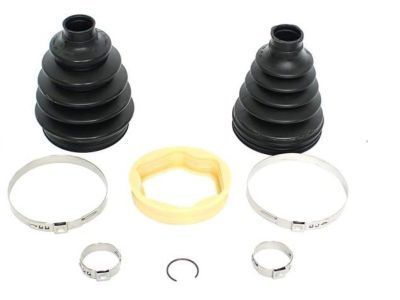
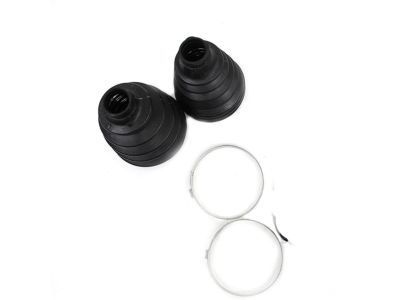
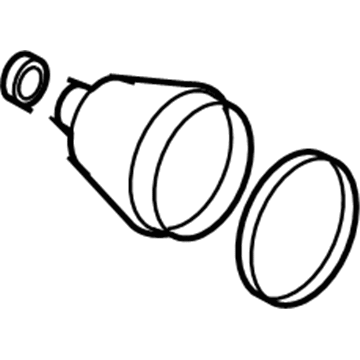
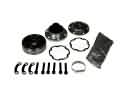
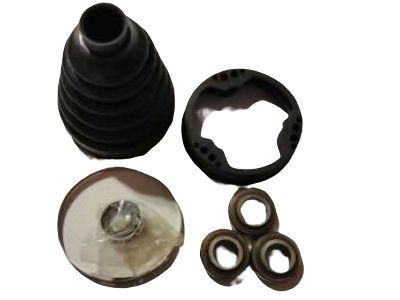
Mercury Boot Kit, Outer Part Number: 5L8Z-3A331-AA
$24.05 MSRP: $38.18You Save: $14.13 (38%)Product Specifications- Other Name: Boot; CV Boot; Outer Boot
- Position: Outer
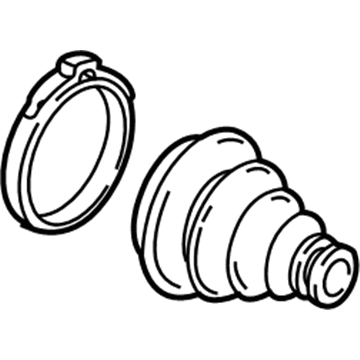
Mercury Inner Boot Part Number: F2DZ-3A331-A
$6.03 MSRP: $8.34You Save: $2.31 (28%)Ships in 1-2 Business DaysProduct Specifications- Other Name: Boot; CV Boot; Outer Boot
- Position: Inner
- Replaces: E8DZ-3A331-F
Mercury Inner Boot, Passenger Side Part Number: E6DZ-3A331-H
$16.41 MSRP: $22.70You Save: $6.29 (28%)Ships in 1-2 Business DaysProduct Specifications- Other Name: Boot; CV Boot
- Position: Passenger Side

Mercury Boot Kit, Rear Inner Passenger Side Part Number: 1L2Z-4L537-AA
$20.02 MSRP: $27.69You Save: $7.67 (28%)Ships in 1-2 Business DaysProduct Specifications- Other Name: Kit - Boot; CV Joint Boot, Rear Left Inner, Rear Right Inner; CV Boot; Inner Boot
- Position: Rear Inner Passenger Side
Mercury Boot Kit, Rear Part Number: AE5Z-3A331-C
$41.84 MSRP: $57.88You Save: $16.04 (28%)Ships in 1-2 Business DaysProduct Specifications- Other Name: Boot; CV Joint Boot Kit, Rear; CV Boot; Boots
- Position: Rear
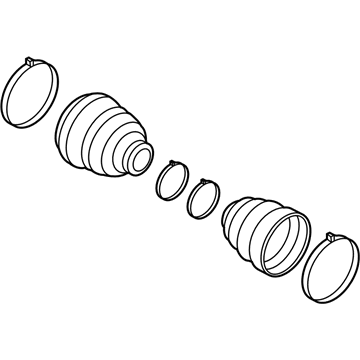
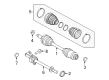
Mercury Boot Kit, Front Part Number: AE5Z-3A331-B
$73.13 MSRP: $101.17You Save: $28.04 (28%)Ships in 1-2 Business DaysProduct Specifications- Other Name: Boot; CV Joint Boot Kit, Front; CV Boot; Boots
- Position: Front
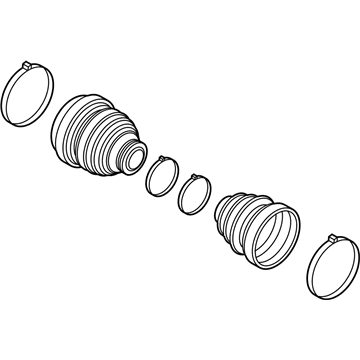
Mercury Boot Kit, Front Part Number: AE5Z-3A331-A
$75.23 MSRP: $104.07You Save: $28.84 (28%)Ships in 1-2 Business DaysProduct Specifications- Other Name: Boot; CV Joint Boot Kit, Front; CV Boot; Boots
- Position: Front
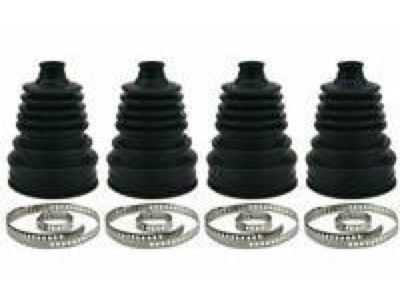
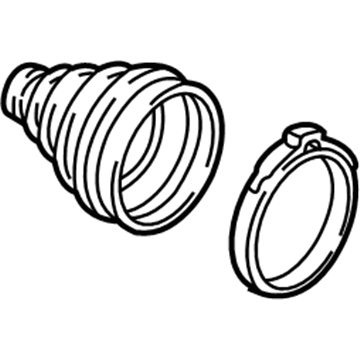
Mercury Boot Kit Part Number: F5DZ-3A331-A
Product Specifications- Other Name: Boot; CV Boot; Outer Boot
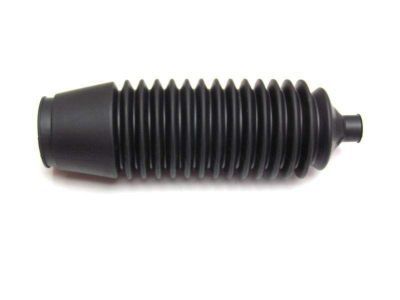
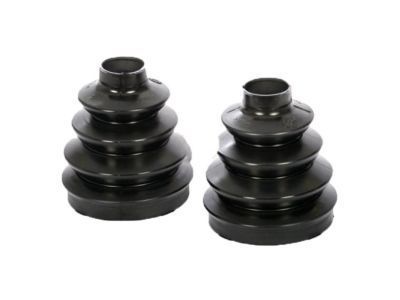
Mercury Boot Kit, Rear Inner Passenger Side Part Number: 1L2Z-4A331-BA
Product Specifications- Other Name: Boot; CV Joint Boot, Rear Left Inner, Rear Left Outer, Rear Right Inner, Rear Right Outer; CV Boot; Inner Boot; Outer Boot
- Position: Rear Inner Passenger Side
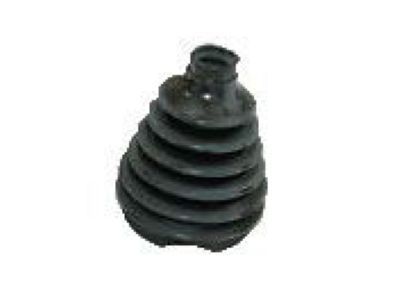
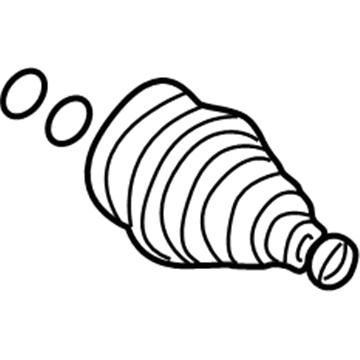
Mercury Boot Kit Part Number: YL8Z-3A331-CA
Product Specifications- Other Name: Boot; CV Boot; Outer Boot
- Manufacturer Note: Outer
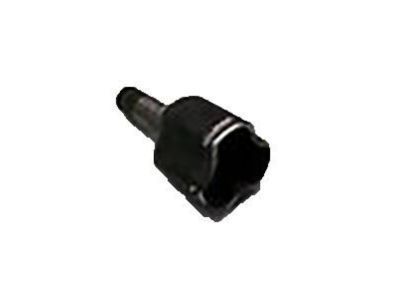
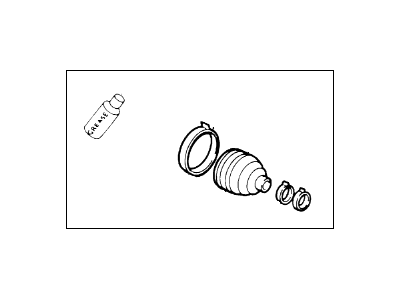
Mercury Inner Boot Part Number: F8CZ-3A331-BB
Product Specifications- Other Name: Boot; CV Boot; Boots
- Manufacturer Note: Inboard , M/T
- Position: Inner
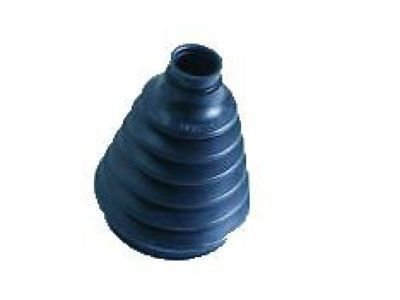
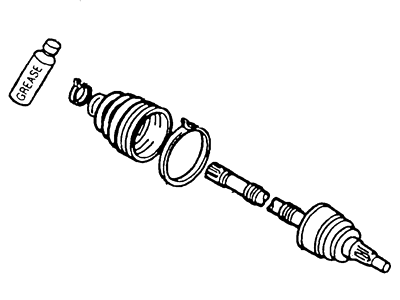
Mercury Boot Kit Part Number: F7CZ-3A331-AA
Product Specifications- Other Name: Boot; CV Boot; Outer Boot; Boots
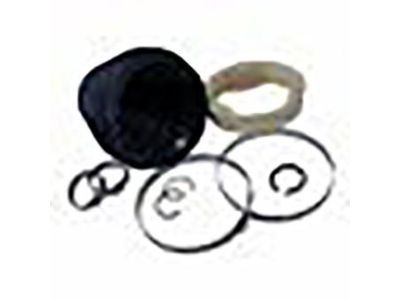
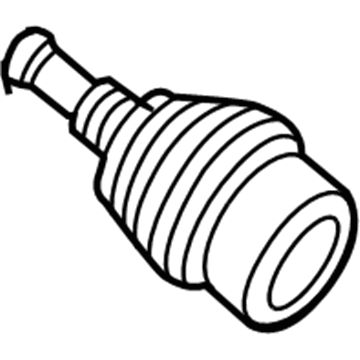
Mercury Boot Kit, Front Inner Passenger Side Part Number: F5TZ-3A331-A
Product Specifications- Other Name: Boot; CV Joint Boot Kit, Front Left Inner, Front Left Outer, Front Right Inner, Front Right Outer; CV Boot
- Position: Front Inner Passenger Side
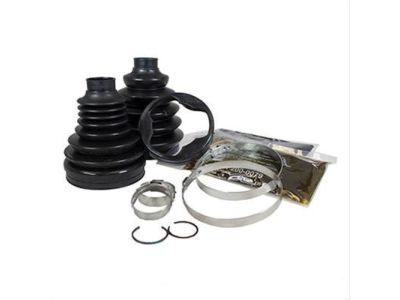
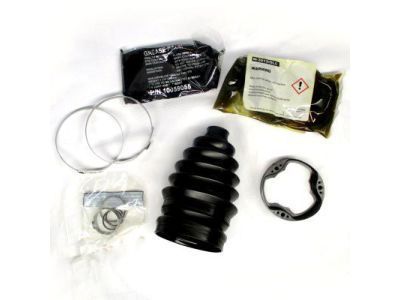
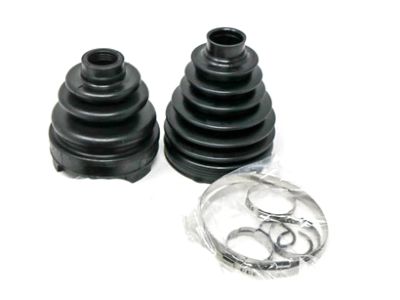
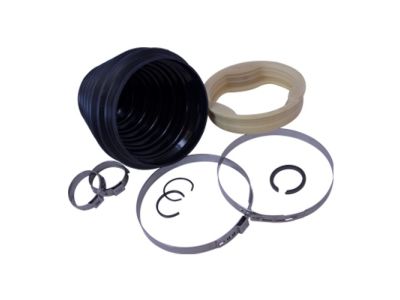
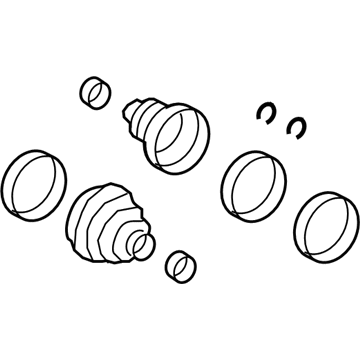
Mercury Boot Kit, Front Part Number: 6L2Z-3A331-A
Product Specifications- Other Name: Boot; CV Joint Boot Kit, Front; CV Boot; Boots
- Manufacturer Note: Contains Inboard And Outboard Boots With Clamps, Grease And Retainers
- Position: Front
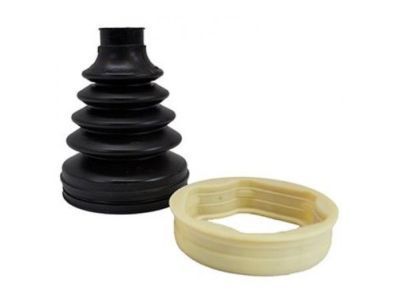
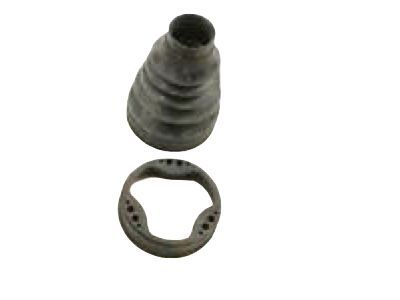
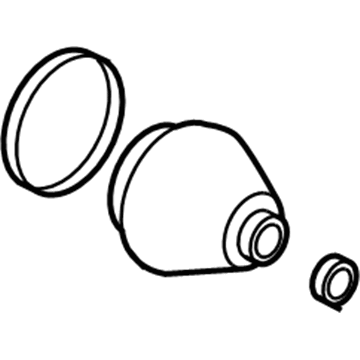
Mercury Boot Kit Part Number: 5L8Z-3A331-FA
Product Specifications- Other Name: Boot; CV Boot; Inner Boot
Mercury Inner Boot, Driver Side Part Number: E6DZ-3A331-K
Product Specifications- Other Name: Boot; CV Boot
- Position: Driver Side
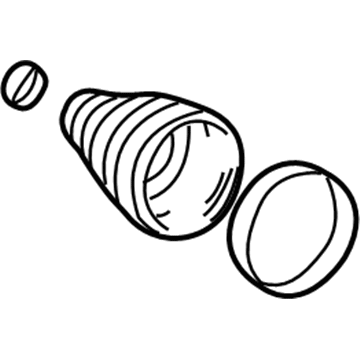
Mercury Boot Kit Part Number: YL8Z-3A331-AA
Product Specifications- Other Name: Boot; CV Boot; Inner Boot
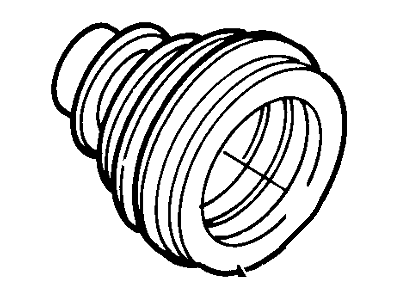
Mercury Outer Boot Part Number: F23Z3A331A
Product Specifications- Other Name: Boot; CV Boot; Boots
- Position: Outer

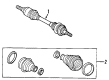 Product Specifications
- Other Name: Boot; CV Joint Boot Kit, Front Left Inner, Front Right Inner; CV Boot; Boots
- Manufacturer Note: inner
- Position: Front Inner Passenger Side
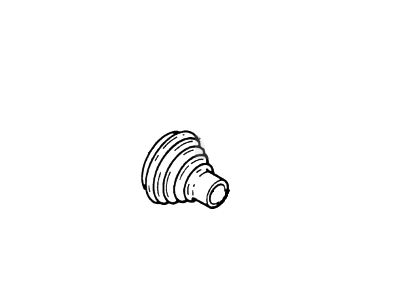
Mercury Outer Boot Part Number: 1F5Z-3A331-BA
Product Specifications- Other Name: Boot; CV Boot; Boots
- Manufacturer Note: Outer
- Position: Outer
| Page 1 of 3 |Next >
1-20 of 43 Results
Mercury CV Boot
If you own Mercury and want to keep it in top shape, choosing OEM CV Boot is a smart move. They are precisely engineered and follow strict factory standards. They are made in advanced facilities that use cutting edge technology. Each part goes through thorough testing to confirm strength and safety, so you can trust it. FordPartsDeal.com gives you genuine Mercury CV Boot at some of the affordable online prices without cutting quality. Every OEM Mercury part includes the manufacturer's warranty, easy returns, and super-fast delivery. So why wait? Shop now and get your vehicle back to peak condition.
The rubber covering of the constant velocity joint is called the Mercury CV Boot, trapping the grease inside and excluding water and grit to ensure the torque. Born with the name of the rapid Roman messenger, Mercury established its own niche by incorporating the brains into the vehicle with some punch, but a cabin that was not loud enough to be detected by whispering at highway velocity. The cars provided the suspension that was tuned to give a smooth ride with no deadening of the road feel; hence, the drivers felt the road but avoided the exhaustion caused by the bumps. Large seat tracks, abundant headroom, and sensible dashboard designs were such that long distances seemed like short ones, and tire squeal stayed out of family communications because of smart sound damping. Mercury owners enjoyed the power steering that was geared for easy parking, yet remained stable when the speedometer was raised, which made ownership easy and confidence high. The street presence was in the name of the models, such as Cougar and Grand Marquis, but the brand remained value-oriented, with high-end touches but without a premium badge that hurt the wallet. When the quiet ride becomes clicking at a slow speed, change the CV Boot before the joint gnashes itself. Begin by parking your Mercury on a flat surface, chock the rear wheels, jack the corner, and remove the wheel. Loosen the hub nut, press the lower ball joint, then slap the axle out of it, wipe the joint with a cloth, and slide the new CV Boot over the shaft. Apply fresh grease, attach clamps, spin the axle to find out whether there are any folds, reassemble, tighten the fasteners, drop the Mercury, and finally drive to ensure that the CV Boot remains in place.