FordParts
My Garage
My Account
Cart
OEM Mercury Differential Seal
- Select Vehicle by Model
- Select Vehicle by VIN
Select Vehicle by Model
orMake
Model
Year
Select Vehicle by VIN
For the most accurate results, select vehicle by your VIN (Vehicle Identification Number).
2 Differential Seals found
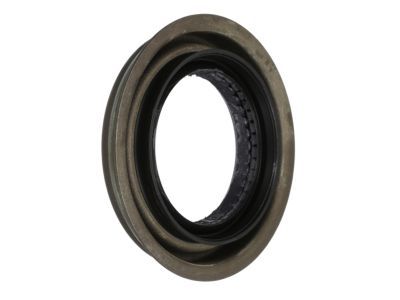
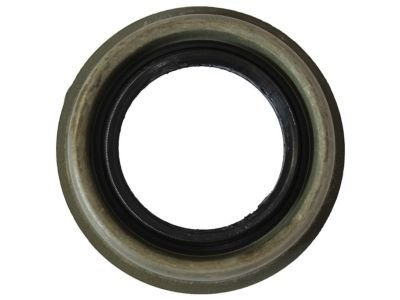
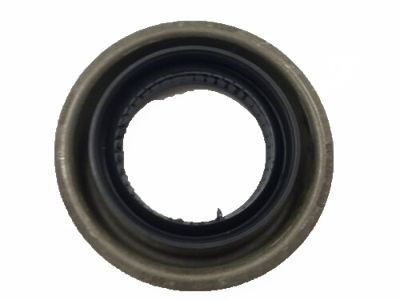
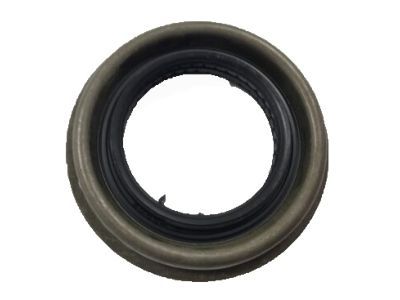
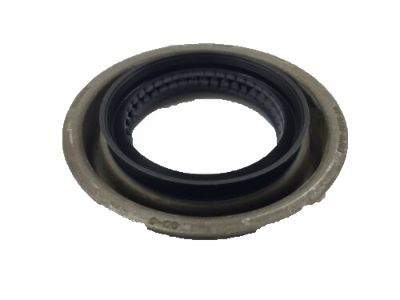
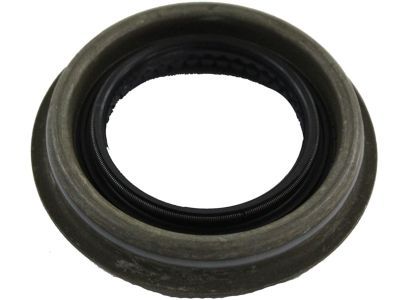
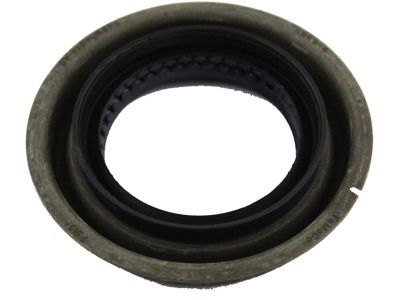
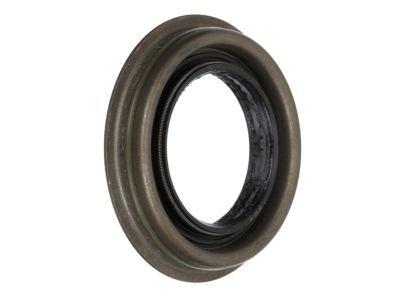
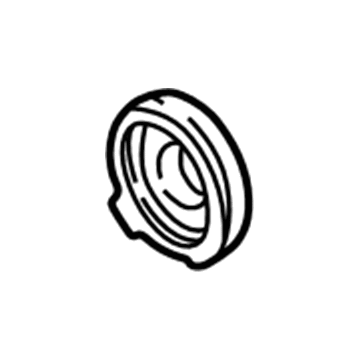
Mercury Oil Seal, Rear Part Number: BR3Z-4676-A
$18.80 MSRP: $26.67You Save: $7.87 (30%)Ships in 1-2 Business DaysProduct Specifications- Other Name: Seal Assembly - Oil; Differential Pinion Seal, Rear; Differential Seal; Axle Seal
- Position: Rear
- Replaces: F89Z-4676-AA, E8TZ-4676-C
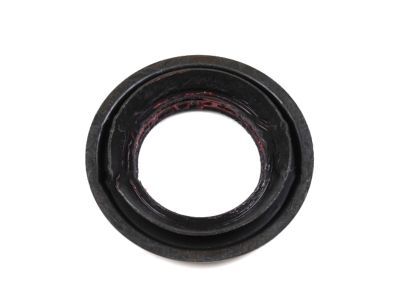
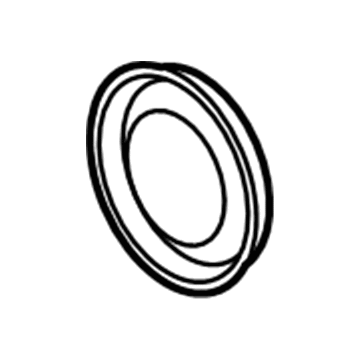
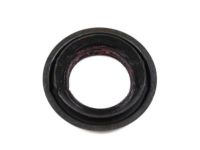
Mercury Oil Seal, Rear Part Number: 8G1Z-4N046-A
$22.44 MSRP: $31.83You Save: $9.39 (30%)Ships in 1-2 Business DaysProduct Specifications- Other Name: Seal Assembly - Oil; Differential Pinion Seal, Rear; Differential Seal; Axle Seal
- Position: Rear
- Replaces: 3L8Z-4N046-AA
Mercury Differential Seal
If you own Mercury and want to keep it in top shape, choosing OEM Differential Seal is a smart move. They are precisely engineered and follow strict factory standards. They are made in advanced facilities that use cutting edge technology. Each part goes through thorough testing to confirm strength and safety, so you can trust it. FordPartsDeal.com gives you genuine Mercury Differential Seal at some of the affordable online prices without cutting quality. Every OEM Mercury part includes the manufacturer's warranty, easy returns, and super-fast delivery. So why wait? Shop now and get your vehicle back to peak condition.
Mercury Differential Seal is a rubber cover that surrounds the pinion shaft, which keeps the gear oil inside the axle housing and the dirt, water, and destructive grit out. Drivers trusted Mercury to provide roomy cabins that can be stretched, suspensions that can be adjusted to maneuver over potholes, and lines of the body that continue to image decades on. Mercury was merciful, doing no slapping on of gimmicks. The brand concentrated on silence, meaning that road noise is quieted down with heavier insulations and door seals allowing the music or discussion to prevail. The power steering remained light but communicative with the confidence of not arm wrestling the steering wheel. Seats were supplemented with additional padding that absorbed fatigue in the long haul, whereas chassis geometry was balanced to ensure cornering was all fun. The typical rust rash and salt were fought off by the use of paint and chrome respectively. Even the driveshaft components, such as the Differential Seal which covered fluid around the pinion, were designed to live through hard daily grind. When it is time to change the Differential Seal, make the task simple and not a heroic act. Find level ground and park your Mercury, chock the wheels, and jack up the rear till the axle is free. Disassemble the driveshaft, label the yoke location, and empty the oil into a clean pan. Take out the yoke, scrape the old fatigued Differential Seal, wipe the opening of the bore clean, and rub a thin coat of gear oil over the new lip. Wipe it, drill it lightly, lay your marks, tighten the nut, pour in new stuff, drop the Mercury, and inspect for weeps.
Mercury Differential Seal Parts and Q&A
- Q:How to service the LH differential seals on Mercury Mariner?A:Vehicle service of LH differential seals begins by hoisting the car with transmission in neutral gear and ignition off. After eliminating the retainers and the LH splash shield users can drain transmission fluid from the system through drain plug removal. The LH halfshaft must be taken out to utilize a Slide Hammer with Input Shaft Oil Seal Remover for removing and discarding the LH differential seal. The implementation of the Drive Pinion Oil Seal Installer enables correct installation of the new LH differential seal before repositioning the LH halfshaft. Compact thread-sealed drain plugging material on the plug threads followed by drain plug reinstallation with tightened limitations at 40 Nm (30 lb-ft). After removing the fill plug located on the side of the transaxle install clean transmission fluid so it rests at the fill plug hole line but clean up all spilled fluid before reinstalling the fill plug which needs a torque of 40 Nm (30 lb-ft). Check and fill the plug which faces the left side of the transaxle at its front area to measure transmission fluid level through the fill plug removal. Add fluid until it fills the bottom of the hole. To complete the procedure start the engine and confirm that both forward and reverse motions function appropriately.
Related Mercury Parts
 Mercury Drive Shaft
 Mercury CV Boot
 Mercury CV Joint Companion Flange
 Mercury Differential
 Mercury Differential Bearing
 Mercury Differential Pinion Bearing
 Mercury Driveshaft Yokes
 Mercury Pinion Bearing
 Mercury Pinion Washer
 Mercury Slip Yoke
 Mercury Transfer Case Shim
 Mercury Universal Joint