FordParts
My Garage
My Account
Cart
OEM Mercury Differential Bearing
- Select Vehicle by Model
- Select Vehicle by VIN
Select Vehicle by Model
orMake
Model
Year
Select Vehicle by VIN
For the most accurate results, select vehicle by your VIN (Vehicle Identification Number).
9 Differential Bearings found
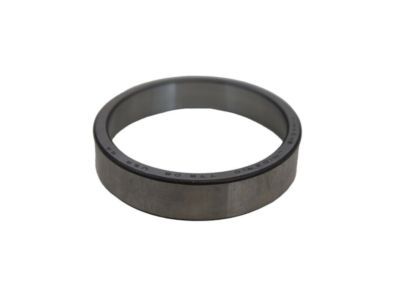
Mercury Wheel Bearings, Front Inner Part Number: C9AZ-4222-A
$8.34 MSRP: $11.84You Save: $3.50 (30%)Ships in 1 Business DayProduct Specifications- Other Name: Cup; Front Inner Wheel Bearing Race; Differential Bearing Race; Taper Bearing Cup; Bearing Set.
- Position: Front Inner
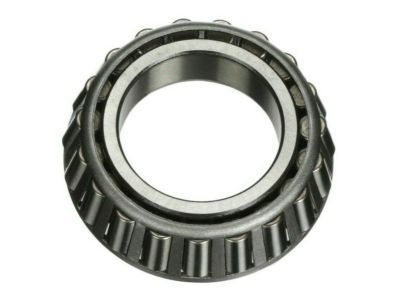
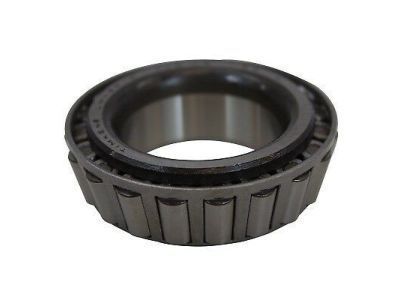
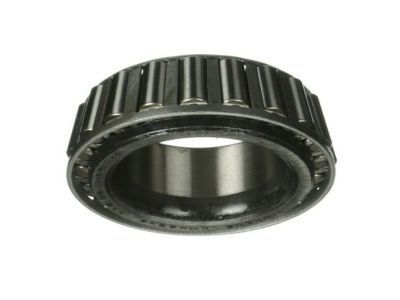
Mercury Wheel Bearing, Front Inner Part Number: B7C-1201-A
$24.31 MSRP: $35.38You Save: $11.07 (32%)Ships in 1-3 Business DaysProduct Specifications- Other Name: Cone And Roller - Bearing; Front Inner Wheel Bearing and Race Set; Taper Bearing Cone; Axle Bearing.
- Position: Front Inner
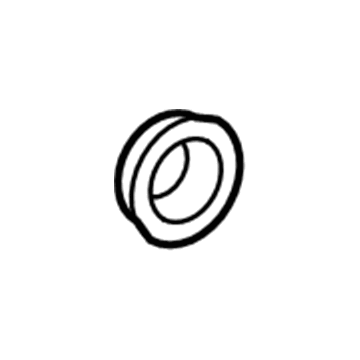
Mercury Wheel Bearing Part Number: DV6Z-4221-A
$17.19 MSRP: $25.02You Save: $7.83 (32%)Ships in 1-2 Business DaysProduct Specifications- Other Name: Bearing Assembly - Ball; Differential Bearing; Axle Bearing
- Replaces: B7A-4221-A
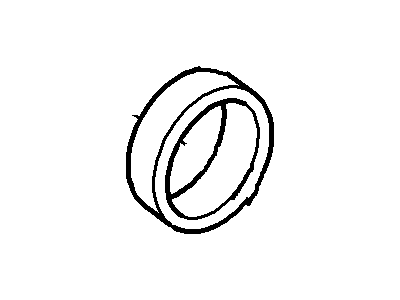
Mercury Bearing Cup Part Number: F3LZ-4222-AA
$26.47 MSRP: $38.54You Save: $12.07 (32%)Ships in 1-2 Business DaysProduct Specifications- Other Name: Cup; Differential Bearing Race; Side Bearing Cup; Side Bearings; Race
Mercury Bearing Cup Part Number: DV6Z-4222-A
$11.83 MSRP: $16.79You Save: $4.96 (30%)Ships in 1-3 Business DaysProduct Specifications- Other Name: Cup; Differential Bearing Race
- Replaces: C6TZ-4222-A
Mercury Wheel Bearing Part Number: NL3Z-4220-A
$12.69 MSRP: $18.00You Save: $5.31 (30%)Product Specifications- Other Name: Bearing Assembly - Differential
- Replaces: B7A-4221-B, D9AZ-4222-A, XW4Z-4221-AA
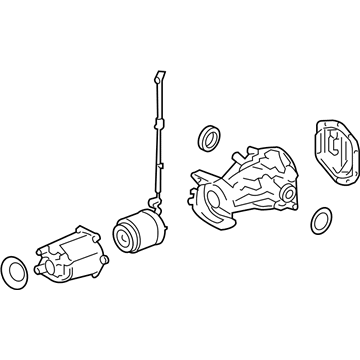
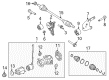
Mercury Differential Assembly, Rear Part Number: 9G1Z-4000-A
Product Specifications- Other Name: Axle Assembly - Rear; Differential, Rear; Carrier; Differential
- Position: Rear
- Replaces: 8G13-4000-CB, 8G13-4000-DA
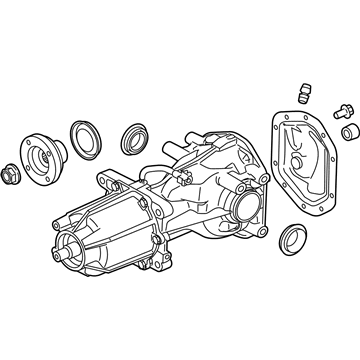
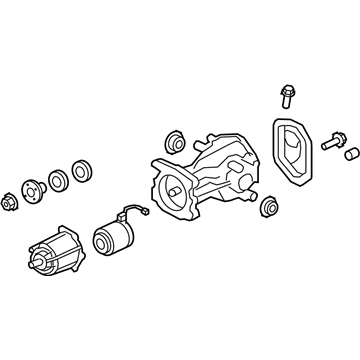
Mercury Differential Assembly, Rear Part Number: 9E51-4000-AC
Product Specifications- Other Name: Axle Assembly - Rear; Drive Axle Assembly, Rear; Differential, Rear; Axle Shaft; Carrier; Differential; Axle
- Position: Rear
Mercury Differential Assembly, Rear Part Number: 9E51-4000-AA
Product Specifications- Other Name: Axle Assembly - Rear; Drive Axle Assembly, Rear; Differential, Rear; Axle Shaft; Carrier; Differential; Axle
- Position: Rear
Mercury Differential Bearing
If you own Mercury and want to keep it in top shape, choosing OEM Differential Bearing is a smart move. They are precisely engineered and follow strict factory standards. They are made in advanced facilities that use cutting edge technology. Each part goes through thorough testing to confirm strength and safety, so you can trust it. FordPartsDeal.com gives you genuine Mercury Differential Bearing at some of the affordable online prices without cutting quality. Every OEM Mercury part includes the manufacturer's warranty, easy returns, and super-fast delivery. So why wait? Shop now and get your vehicle back to peak condition.
The Mercury Differential Bearing provides the driver with a sense of confidence when making cornering with friction kept at a low level and gear teeth aligned. Mercury cars combined soft ride and smooth steering and the company traded off between feel and value between the 1939 sedans and subsequent Cougar and Grand Marquis. Mercury cabins had thick carpets and supportive seats that reduced vibration and new sound insulation turned rush hour in the city into a silent cruise. These were the strengths that made Mercury popular among families who desired comfort but not to lose style. A Differential Bearing is a high precision roller bearing that lifts the differential carrier and pinion and provides even torque distribution between the back wheels. This bearing is located in the axle housing, it helps to minimise drag, and it ensures that the torque is distributed equally across wheels. The Differential Bearing in Mercury drive also helps to avoid heat accumulation during turns, which helps to service gears. In the installation of the Differential Bearing, it is necessary to review the owner manual, clean the housing and shafts with solvent and lint cloths before installation, inspect the classes, and press in new ones where necessary. Install the carrier races firmly on the carrier and press each of the Differential Bearings onto the carrier and pinion with a driver and assemble the carrier into the case. Install shims to set pinion depth, preload nut to specification, adjust carrier preload and measure backlash of ring gear. Turn the assembly, mark with spec marking compound, and put fresh gear oil on.
Related Mercury Parts
 Mercury Drive Shaft
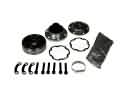 Mercury CV Joint
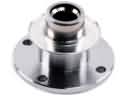 Mercury CV Joint Companion Flange
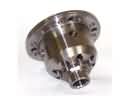 Mercury Differential
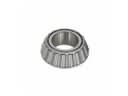 Mercury Differential Pinion Bearing
 Mercury Differential Seal
 Mercury Driveshaft Yokes
 Mercury Pinion Bearing
 Mercury Pinion Washer
 Mercury Slip Yoke
 Mercury Transfer Case Shim
 Mercury Universal Joint