FordParts
My Garage
My Account
Cart
OEM Mercury CV Joint
CV Joint Axle- Select Vehicle by Model
- Select Vehicle by VIN
Select Vehicle by Model
orMake
Model
Year
Select Vehicle by VIN
For the most accurate results, select vehicle by your VIN (Vehicle Identification Number).
37 CV Joints found
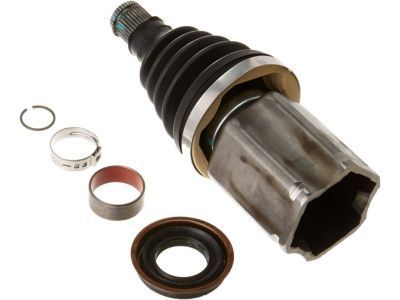
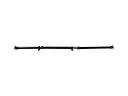
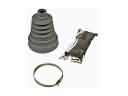
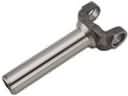
Mercury Inner Joint Assembly Part Number: AL8Z-3B414-B
$52.47 MSRP: $86.33You Save: $33.86 (40%)Ships in 1-2 Business DaysProduct Specifications- Other Name: Joint And Stub Shaft Assembly; CV Joint
- Position: Inner
- Replaces: AL8Z-3B414-A, TX-585
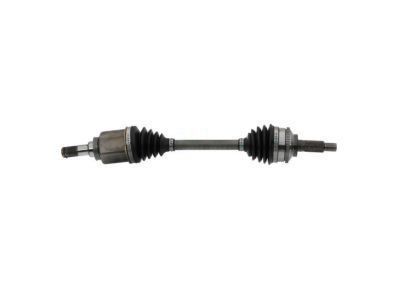
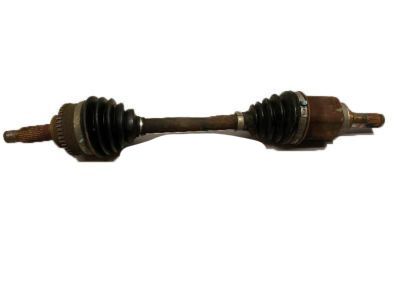
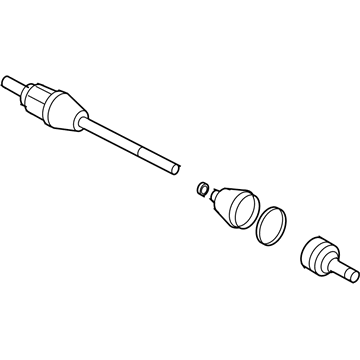
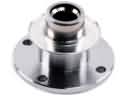
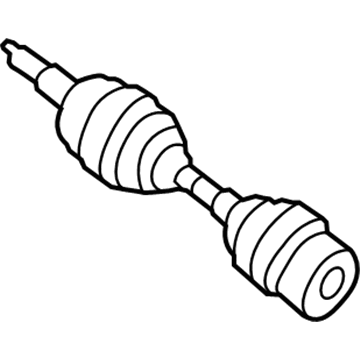
Mercury Axle Assembly, Front Driver Side Part Number: 5M6Z-3A427-AB
$125.11 MSRP: $205.86You Save: $80.75 (40%)Ships in 1-2 Business DaysProduct Specifications- Other Name: Shaft - Front Axle; CV Axle Assembly, Front Left; GSP CV Axle; Axle Shaft; CV Axle Assembly
- Position: Driver Side
- Replaces: 5M6Z-3A427-AA
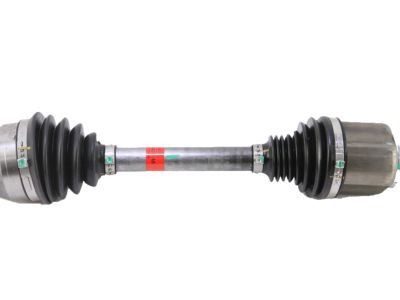
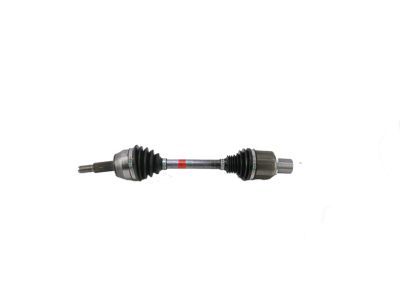
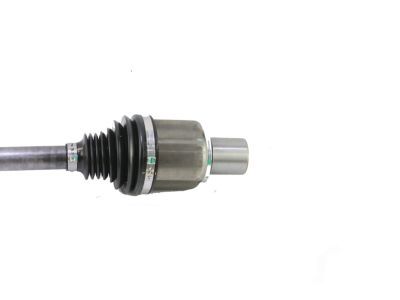
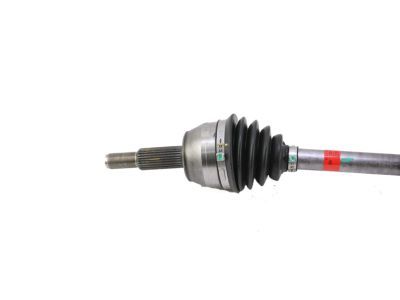
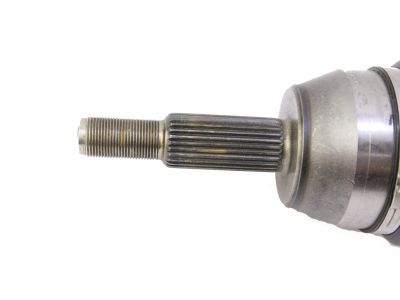
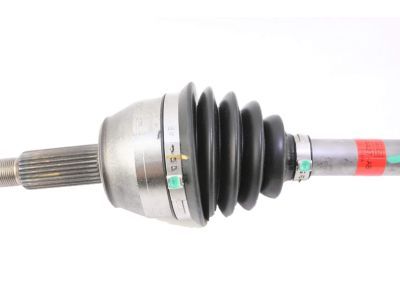
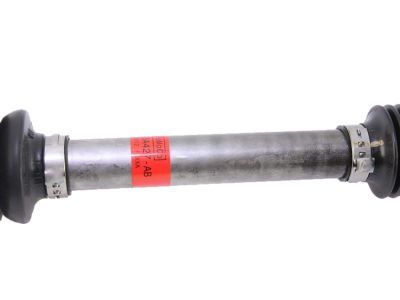
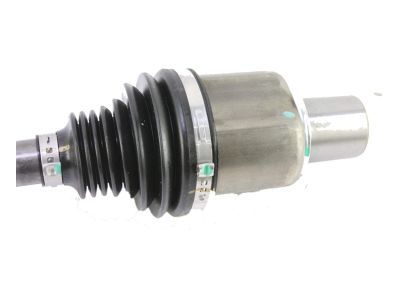
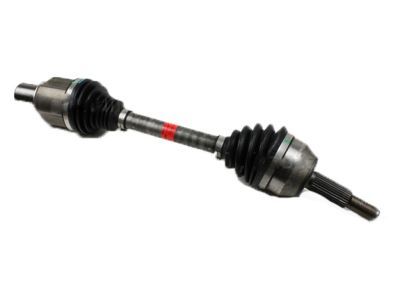
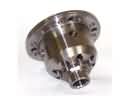
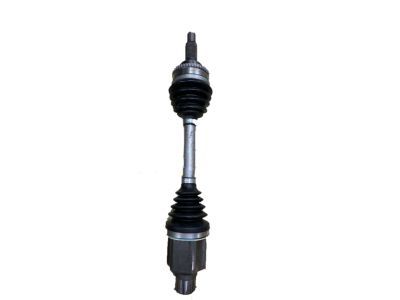
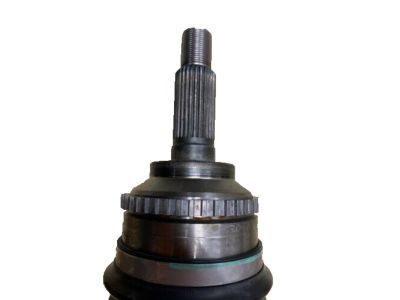
Mercury Axle Assembly, Front Passenger Side Part Number: 6L2Z-3A428-AA
$113.82 MSRP: $187.27You Save: $73.45 (40%)Ships in 1-2 Business DaysProduct Specifications- Other Name: Shaft - Front Axle; CV Axle Assembly, Front Right; GSP CV Axle; Axle Shaft; CV Axle Assembly
- Position: Passenger Side
- Replaces: 1L2Z-3A428-AA
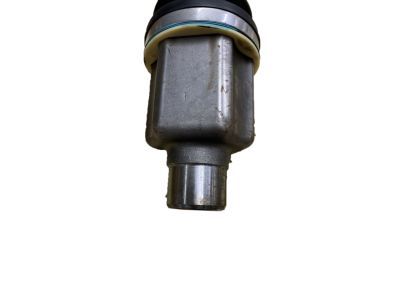
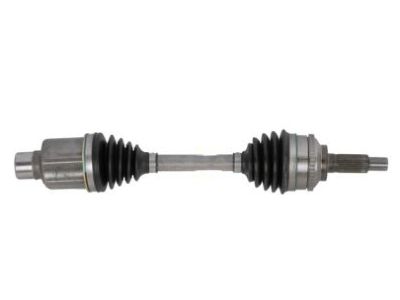
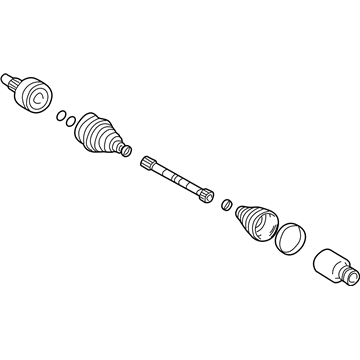
Mercury Axle Assembly, Front Passenger Side Part Number: 5L8Z-3A428-DB
$110.21 MSRP: $177.81You Save: $67.60 (39%)Product Specifications- Other Name: Shaft - Front Axle; CV Axle Assembly, Front Left, Front Right; GSP CV Axle; Axle Shaft; CV Axle Assembly
- Position: Passenger Side
- Replaces: 5L8Z-3A428-DA, TX-318, YL8Z-3A428-CA, YL8Z-3A428-DA
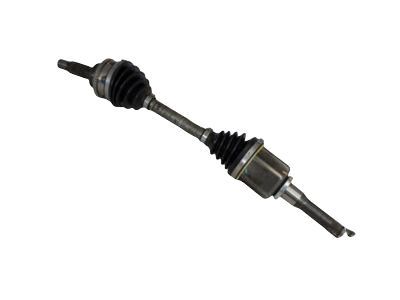
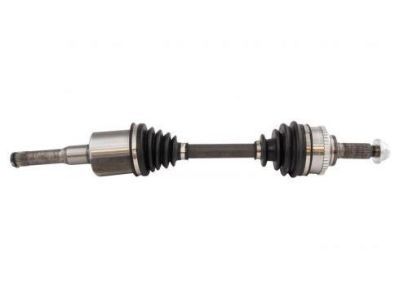
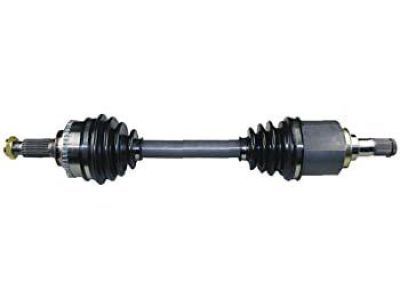
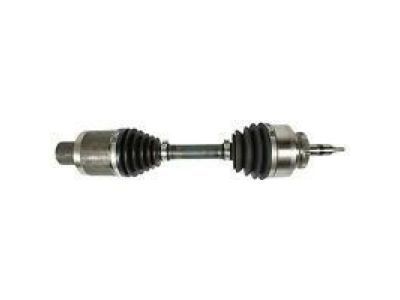
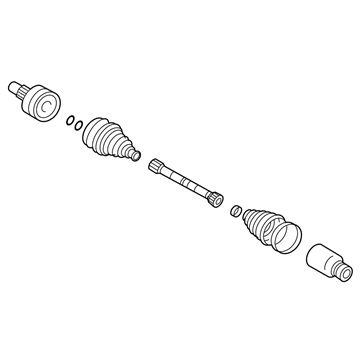
Mercury Axle Assembly, Front Driver Side Part Number: 9L8Z-3A427-D
$140.05 MSRP: $230.43You Save: $90.38 (40%)Ships in 1-2 Business DaysProduct Specifications- Other Name: Shaft - Front Axle; CV Axle Assembly, Front Left; GSP CV Axle; Axle Shaft; CV Axle Assembly
- Position: Driver Side
- Replaces: 9L8Z-3A427-C, 9L8Z-3A427-A, 9L8Z-3A427-B
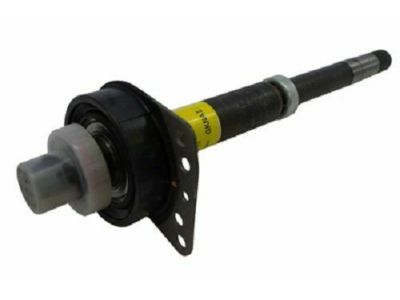
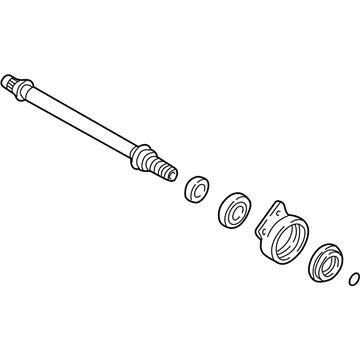
Mercury Intermediate Shaft, Front Driver Side Part Number: 6L8Z-3A329-D
$412.89 MSRP: $606.30You Save: $193.41 (32%)Ships in 1-3 Business DaysProduct Specifications- Other Name: Shaft; CV Intermediate Shaft, Front; CV Intermediate Shaft; Axle Shaft; CV Joint; Outer Joint Assembly; Intermed Shaft
- Position: Driver Side
- Replaces: 5L8Z-3A329-D, 6L8Z-3A329-A, YL8Z-3A329-CA, YL8Z-3A329-EA
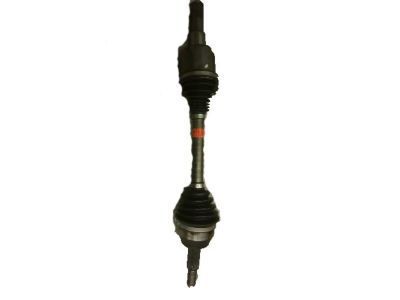
Mercury Axle Assembly, Front Driver Side Part Number: 6L2Z-3A427-AA
$126.36 MSRP: $212.73You Save: $86.37 (41%)Product Specifications- Other Name: Shaft - Front Axle; CV Axle Assembly, Front Left; GSP CV Axle; Axle Shaft; CV Axle Assembly
- Position: Driver Side
- Replaces: 1L2Z-3A427-AA
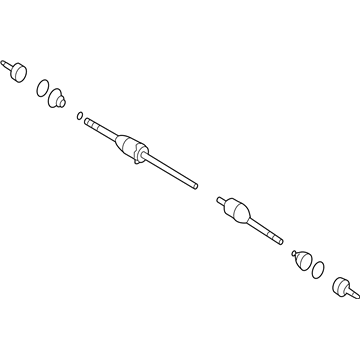
Mercury Axle Assembly, Front Passenger Side Part Number: 5F9Z-3B436-BA
$158.52 MSRP: $219.29You Save: $60.77 (28%)Ships in 1-2 Business DaysProduct Specifications- Other Name: Shaft - Front Axle; CV Axle Assembly, Front Right; GSP CV Axle; Axle Shaft; CV Axle Assembly
- Position: Passenger Side
- Replaces: 6F9Z-3B436-B
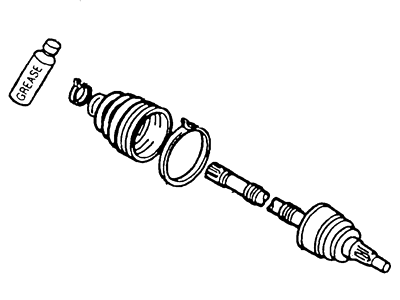
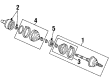
Mercury Axle Assembly, Passenger Side Part Number: F7CZ-3B436-AA
$230.55 MSRP: $318.95You Save: $88.40 (28%)Ships in 1-2 Business DaysProduct Specifications- Other Name: Joint; CV Axle Assembly; GSP CV Axle; Axle Shaft; CV Joint; Shaft & Joint Assembly; Outer Joint Assembly
- Position: Passenger Side
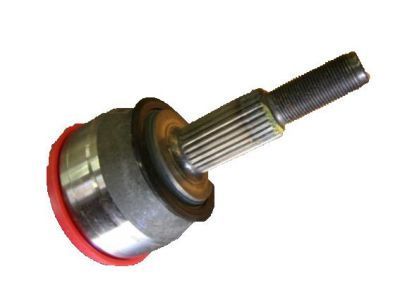
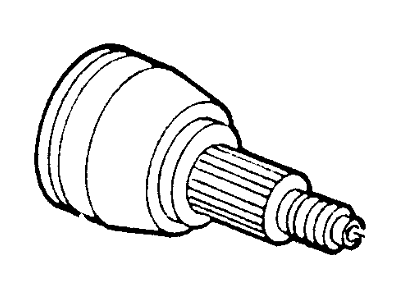
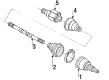
Mercury Outer CV Joint Part Number: E8OY-3B413-B
Product Specifications- Other Name: Joint And Stub Shaft; CV Joint
- Position: Outer
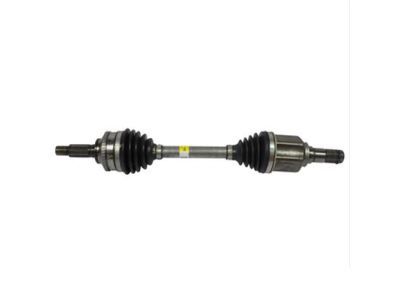
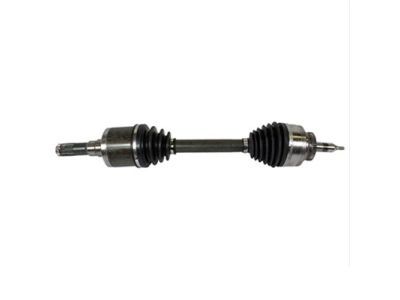
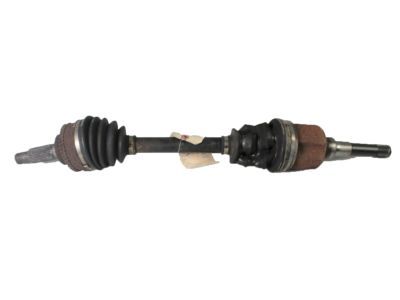
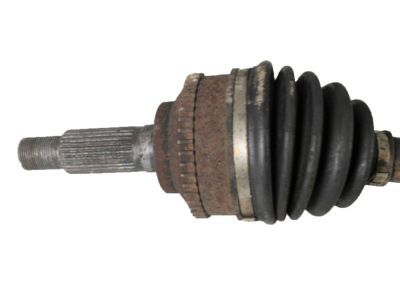
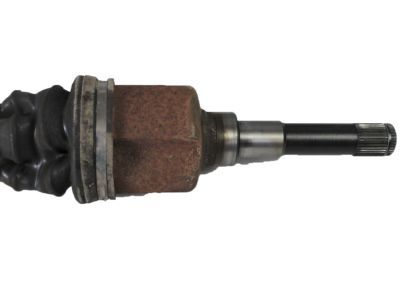
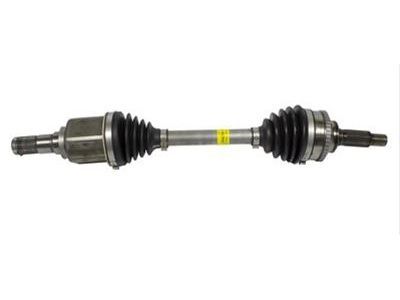
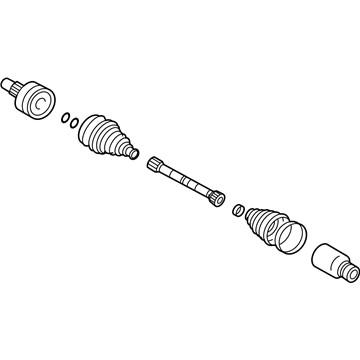
Mercury Axle Assembly, Front Driver Side Part Number: 6L8Z-3A427-C
Product Specifications- Other Name: Shaft - Front Axle; CV Axle Assembly, Front Left; GSP CV Axle; Axle Shaft; CV Axle Assembly
- Position: Driver Side
- Replaces: 6L8Z-3A427-A, 5L8Z-3A427-BB, YL8Z-3A427-AA
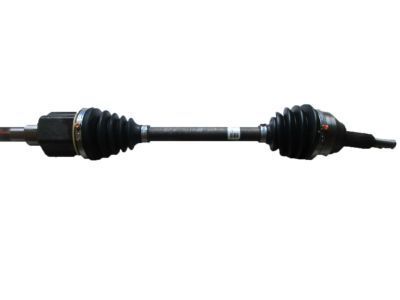
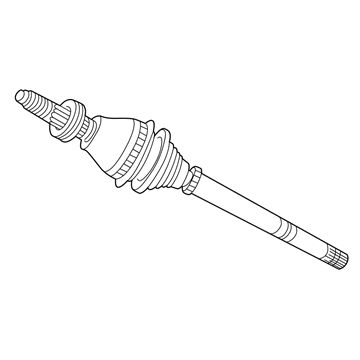
Mercury Axle Assembly, Front Passenger Side Part Number: 5F2Z-3B436-AA
Product Specifications- Other Name: Shaft - Front Axle; CV Axle Assembly, Front Right; GSP CV Axle; Axle Shaft; CV Axle Assembly
- Manufacturer Note: Complete Asy
- Position: Passenger Side
- Replaces: 3F2Z-3B436-AA
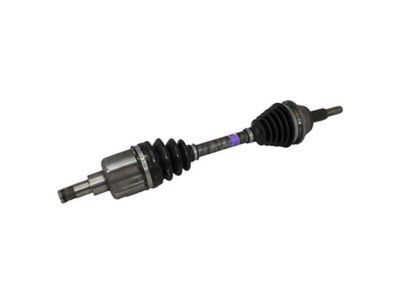
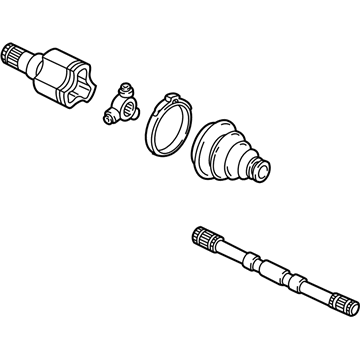
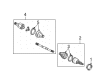
Mercury Axle Assembly, Front Passenger Side Part Number: 4F1Z-3B436-AA
Product Specifications- Other Name: Shaft - Front Axle; CV Axle Assembly, Front Right; GSP CV Axle; Axle Shaft; Shaft; CV Axle Assembly
- Position: Passenger Side
- Replaces: 2F1Z-3A428-AA, 4F1Z-3B436-BA, TX-442
Mercury Axle Assembly, Driver Side Part Number: F7CZ-3B437-AA
Product Specifications- Other Name: Joint; CV Axle Assembly; GSP CV Axle; Axle Shaft; CV Joint; Shaft & Joint Assembly; Outer Joint Assembly
- Position: Driver Side

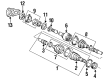
Mercury Axle Assembly, Driver Side Part Number: 1F5Z-3B437-AA
Product Specifications- Other Name: Shaft; Axle Shaft
- Position: Driver Side
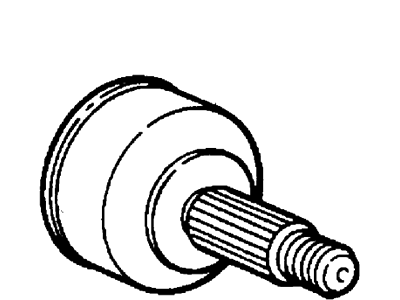
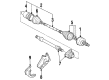
Mercury Inner CV Joint Part Number: F5RZ3B413B
Product Specifications- Other Name: Joint & Stub Shaft Assembly; CV Joint
- Position: Inner
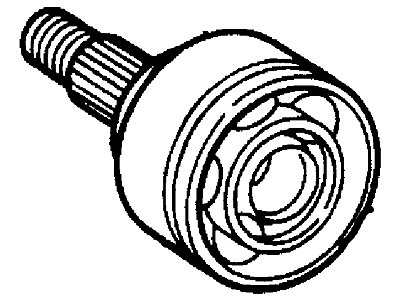
Mercury Axle Assembly, Driver Side Part Number: F8RZ3B437DE
Product Specifications- Other Name: Joint & Stub Shaft Assembly; Axle Shaft; CV Joint
- Position: Driver Side
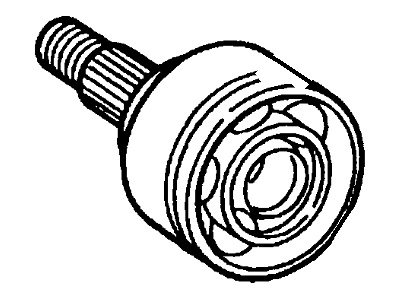
Mercury Axle Assembly, Driver Side Part Number: F8RZ3B437CD
Product Specifications- Other Name: Joint & Stub Shaft Assembly; Axle Shaft; CV Joint
- Position: Driver Side
Mercury Axle Assembly, Driver Side Part Number: F8RZ3B437AB
Product Specifications- Other Name: Joint & Stub Shaft Assembly; Axle Shaft; CV Joint
- Position: Driver Side
Mercury Axle Assembly, Driver Side Part Number: F8CZ-3B437-AB
Product Specifications- Other Name: Joint And Stub Shaft; Axle Shaft; CV Joint; Shaft & Joint Assembly
- Position: Driver Side
| Page 1 of 2 |Next >
1-20 of 37 Results
Mercury CV Joint
If you own Mercury and want to keep it in top shape, choosing OEM CV Joint is a smart move. They are precisely engineered and follow strict factory standards. They are made in advanced facilities that use cutting edge technology. Each part goes through thorough testing to confirm strength and safety, so you can trust it. FordPartsDeal.com gives you genuine Mercury CV Joint at some of the affordable online prices without cutting quality. Every OEM Mercury part includes the manufacturer's warranty, easy returns, and super-fast delivery. So why wait? Shop now and get your vehicle back to peak condition.
The Mercury CV Joint allows the front axle to provide engine torque at constant speed using tight steering angles to allow drivers to experience minimal vibration and have a high degree of control. Started in 1938, Mercury created mid sized vehicles combining a smooth ride with a sharp look, inspired by the speedy Roman messenger of which it is named. Along its Cougar, Grand Marquis and other favourites, Mercury drew applause due to cabins which were quiet, well balanced suspensions and interiors that made long journeys comfortable. Although production ceased in 2011, Mercury is remembered with the ability to have the access to comfort and constant value. Since this component of the drive line is identical in relating to the brand focus on smoothness, a Mercury CV Joint involves the application of precision bearings and a flexible boot to ensure that grease does not leak out and that motion remains steady. The first thing involved in installing a new CV Joint is to park and then secure the vehicle, loosen the wheel nuts, lift the vehicle, and remove the wheel and axle out of the hub. Wipe the shaft clean, put on a new boot, put the grease provided on, and snap in a new circlip. Press the splines together, use the joint till the snap ring fits, add additional grease and place the boot, and then tighten both ends with a clamping. Refit the axle, tighten all the fasteners, fill up any discharged fluid, lower the car and make a brief test run listening to the sound as you do so. Lastly, check the CV Joint to see whether there are any leaks or play.