FordParts
My Garage
My Account
Cart
OEM Mercury CV Joint Companion Flange
CV Joint Drive Flange- Select Vehicle by Model
- Select Vehicle by VIN
Select Vehicle by Model
orMake
Model
Year
Select Vehicle by VIN
For the most accurate results, select vehicle by your VIN (Vehicle Identification Number).
19 CV Joint Companion Flanges found
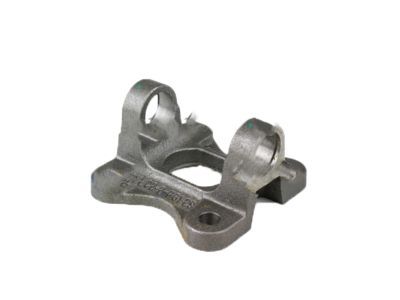
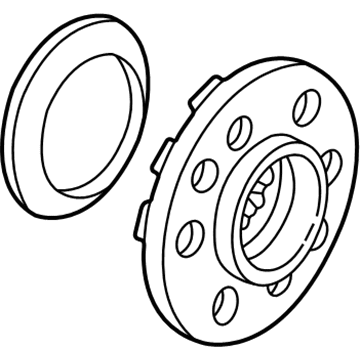
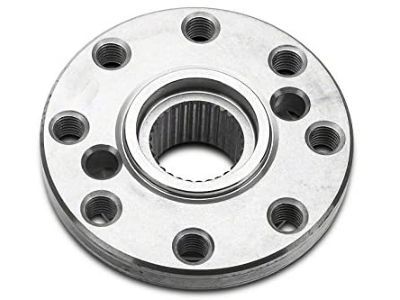
Mercury Companion Flange, Rear Part Number: 4L5Z-4866-AA
$94.21 MSRP: $137.13You Save: $42.92 (32%)Product Specifications- Other Name: Yoke - Driveshaft Coupling Flange; Drive Shaft Pinion Yoke, Rear; Yoke; Flange
- Position: Rear
- Replaces: E9TZ-4866-B
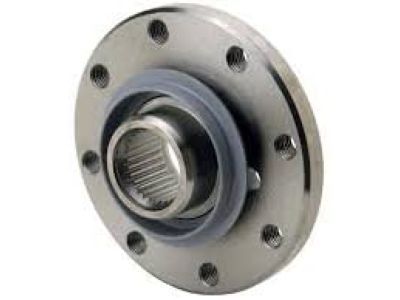
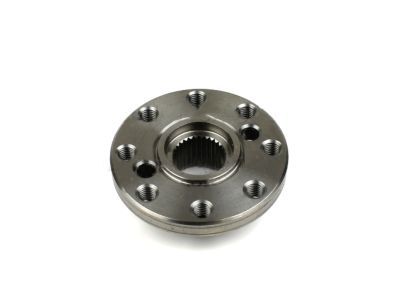
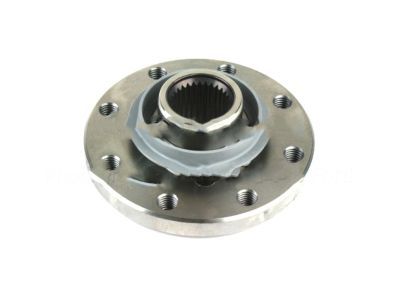
Mercury Companion Flange Part Number: E9SZ-4851-A
$102.40 MSRP: $149.05You Save: $46.65 (32%)Ships in 1-2 Business DaysProduct Specifications- Other Name: Flange
Mercury Companion Flange Part Number: DL3Z-4851-A
$101.10 MSRP: $147.17You Save: $46.07 (32%)Ships in 1 Business DayProduct Specifications- Other Name: Flange
- Replaces: E9TZ-4851-A
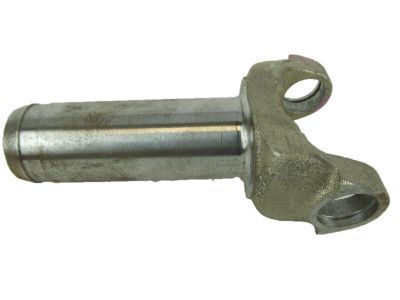
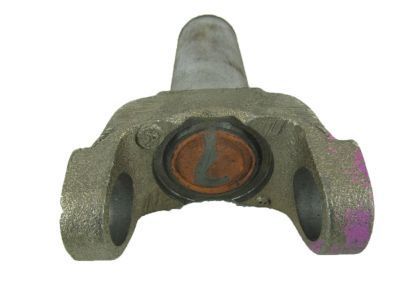
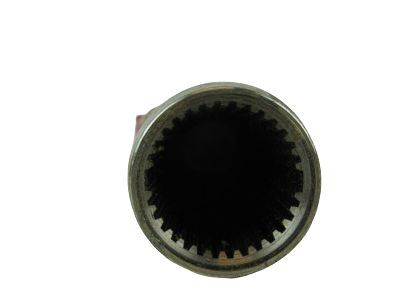
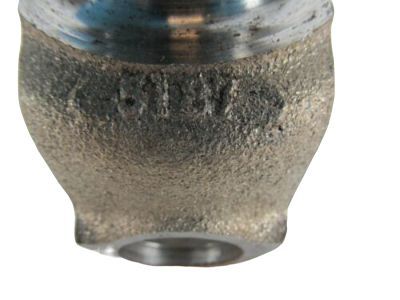
Mercury Slip Yoke Part Number: E8TZ-4841-D
$90.94 MSRP: $132.37You Save: $41.43 (32%)Ships in 1-3 Business DaysProduct Specifications- Other Name: Flange - Coupling; Double Cardan CV Centering Yoke; Driveshaft Yokes; Front Yoke
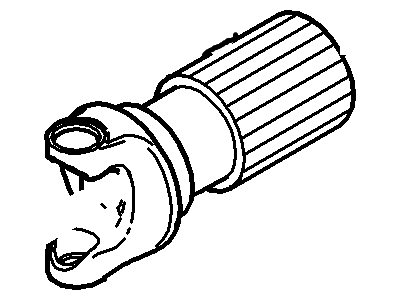
Mercury Slip Yoke Part Number: 6L2Z-4841-AA
$35.58 MSRP: $49.23You Save: $13.65 (28%)Ships in 1-2 Business DaysProduct Specifications- Other Name: Flange - Coupling; Double Cardan CV Centering Yoke; Driveshaft Yokes
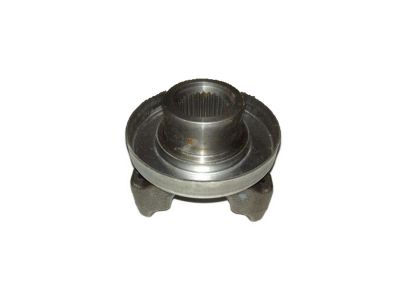
Mercury Companion Flange Part Number: E8TZ-4851-B
$97.01 MSRP: $132.01You Save: $35.00 (27%)Product Specifications- Other Name: Flange
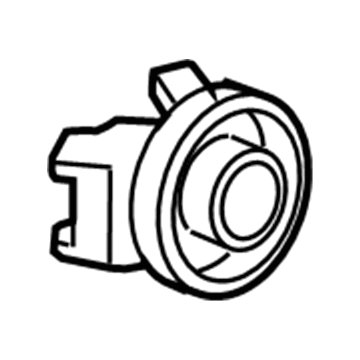
Mercury Companion Flange Part Number: YL8Z-4851-AA
Product Specifications- Other Name: Flange
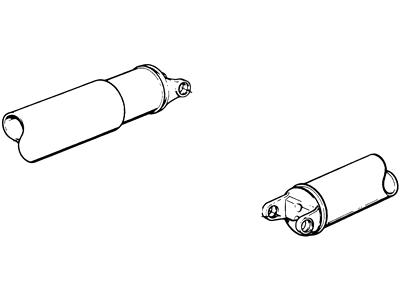
Mercury Slip Yoke Part Number: F5VY-4841-A
Product Specifications- Other Name: Flange - Coupling; Double Cardan CV Centering Yoke; Driveshaft Yokes; Yoke
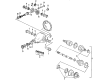
Mercury Slip Yoke Part Number: FOAZ-4841-A
Product Specifications- Other Name: Flange - Coupling; Double Cardan CV Centering Yoke; Driveshaft Yokes; Front Slip Yoke
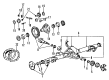
Mercury Slip Yoke Part Number: F8AZ-4841-AA
Product Specifications- Other Name: Flange - Coupling; Double Cardan CV Centering Yoke; Driveshaft Yokes
- Manufacturer Note: Slip yoke , Sport Package, 3.55 ratio
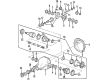
Mercury Slip Yoke Part Number: F4SZ4841A
Product Specifications- Other Name: Flange - Coupling; Double Cardan CV Centering Yoke; Driveshaft Yokes

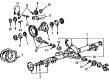
Mercury Companion Flange Part Number: E9SZ-6068-B
Product Specifications- Other Name: Retainer; Engine Mount Bracket; Motor Mount; Rear Mount; Side Gear Kit
Mercury Slip Yoke Part Number: E6TZ-4841-E
Product Specifications- Other Name: Flange - Coupling; Double Cardan CV Centering Yoke; Driveshaft Yokes
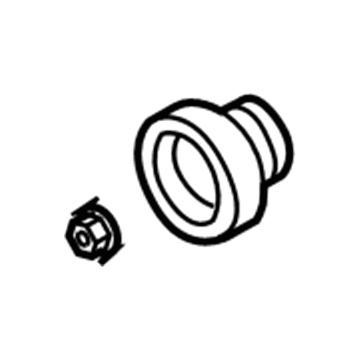
Mercury Companion Flange Part Number: 7F9Z-4865-A
Product Specifications- Other Name: Flange; Couple & Flange
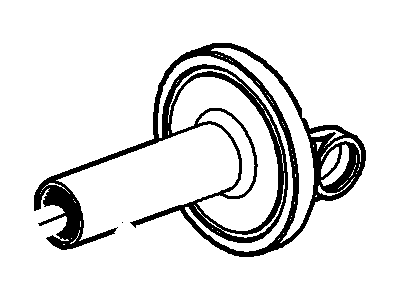
Mercury Slip Yoke Part Number: 6W7Z-4841-B
Product Specifications- Other Name: Flange - Coupling; Double Cardan CV Centering Yoke; Driveshaft Yokes
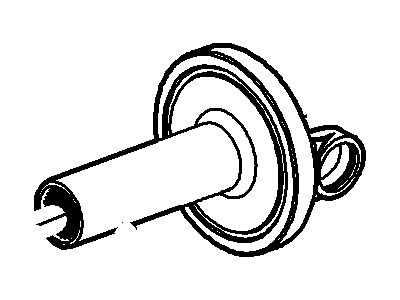
Mercury Slip Yoke Part Number: 6W7Z-4841-A
Product Specifications- Other Name: Flange - Coupling; Double Cardan CV Centering Yoke; Driveshaft Yokes
- Replaces: 5W7Z-4841-A
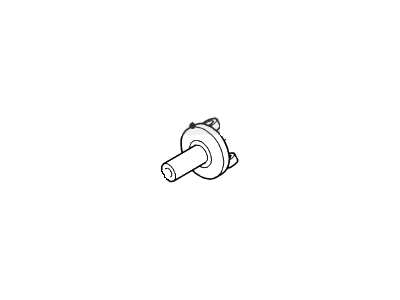
Mercury Slip Yoke Part Number: 4L2Z-4841-AA
Product Specifications- Other Name: Flange - Coupling; Double Cardan CV Centering Yoke; Driveshaft Yokes
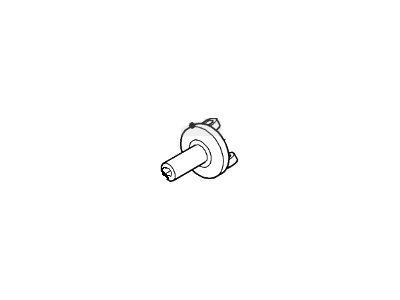
Mercury Slip Yoke Part Number: 1L2Z-4841-DA
Product Specifications- Other Name: Flange - Coupling; Double Cardan CV Centering Yoke; Driveshaft Yokes

Mercury Slip Yoke Part Number: 1L2Z-4841-AA
Product Specifications- Other Name: Flange - Coupling; Double Cardan CV Centering Yoke; Driveshaft Yokes
- Replaces: 1L2Z-4841-AB
Mercury CV Joint Companion Flange
If you own Mercury and want to keep it in top shape, choosing OEM CV Joint Companion Flange is a smart move. They are precisely engineered and follow strict factory standards. They are made in advanced facilities that use cutting edge technology. Each part goes through thorough testing to confirm strength and safety, so you can trust it. FordPartsDeal.com gives you genuine Mercury CV Joint Companion Flange at some of the affordable online prices without cutting quality. Every OEM Mercury part includes the manufacturer's warranty, easy returns, and super-fast delivery. So why wait? Shop now and get your vehicle back to peak condition.
The Mercury CV Joint Companion Flange is a component that connects the constant velocity joint to the output of the transmission to smoothly and close-couple torque. Through the years, Mercury cars have been considered a balanced ride and good value for money, thanks to their soft riding suspension and their cabins that muted road noise and didn't tire occupants out. The manufacturer utilized spacious wheelbases to allow seats to be stretched instead of knees. The sleek designs and dynamic steering ratios help make this a more manageable car for everyday driving. Although production has ceased, the owners are happy that a lot of the drivetrain parts share simple machining tolerances. Accordingly, a CV Joint Companion Flange replacement drops in without any fussy shimming. The Mercury's predictable handling came from the driveline geometry. When you put in fresh parts, vibration stayed friendly. The robust metallurgy on factory shafts also means the meeting splines rarely jam or strip during use. Park your Mercury on a level surface and chock the wheels. Use a strong jack stand to lift it. Detach the wheel and axle nut, and then separate the lower ball joint for free movement. Make a note of the location of the CV Joint Companion Flange and unbolt it from the differential so that you can slide the axle clear. After cleaning the splines and seals, compare the new CV Joint Companion Flange with the old one and confirm it is the same length and has the same number of teeth. Install the retainer and torque to spec after aligning marks and seating the flange. Reattach the axle, tighten the lugs, lower the Mercury, drive, then check for leaks or click sounds.
Related Mercury Parts
 Mercury Drive Shaft
 Mercury CV Boot
 Mercury Differential
 Mercury Differential Bearing
 Mercury Differential Pinion Bearing
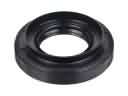 Mercury Differential Seal
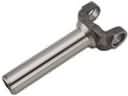 Mercury Driveshaft Yokes
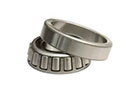 Mercury Pinion Bearing
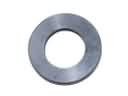 Mercury Pinion Washer
 Mercury Slip Yoke
 Mercury Transfer Case Shim
 Mercury Universal Joint