FordParts
My Garage
My Account
Cart
OEM Mercury Fuel Injector O-Ring
Gas Injector Seal- Select Vehicle by Model
- Select Vehicle by VIN
Select Vehicle by Model
orMake
Model
Year
Select Vehicle by VIN
For the most accurate results, select vehicle by your VIN (Vehicle Identification Number).
2 Fuel Injector O-Rings found
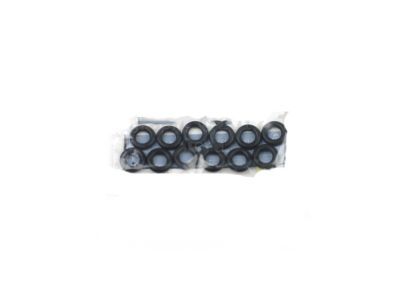
Mercury Injector O-Ring Part Number: FOPZ-9229-A
$8.13Ships in 1 Business DayProduct Specifications- Other Name: Kit - O-Ring; Fuel Injector O-Ring; Fuel Injector Seal; Injector Seal Kit; Kit - "O" Ring
- Replaces: E4PZ-9229-A
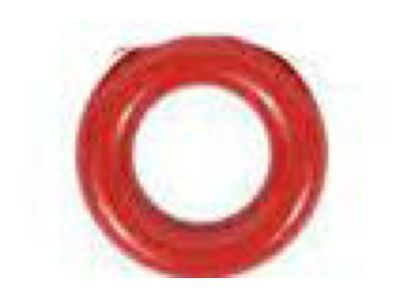
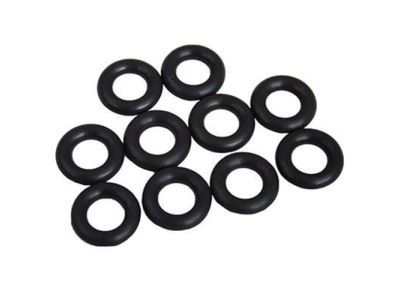
Mercury Injector O-Ring Part Number: 7T4Z-9229-B
$3.78 MSRP: $6.00You Save: $2.22 (37%)Ships in 1 Business DayProduct Specifications- Other Name: Ring - Sealing; Fuel Injector O-Ring; Fuel Injector Seal
- Manufacturer Note: 6 O Rings Per Kit
Mercury Fuel Injector O-Ring
If you own Mercury and want to keep it in top shape, choosing OEM Fuel Injector O-Ring is a smart move. They are precisely engineered and follow strict factory standards. They are made in advanced facilities that use cutting edge technology. Each part goes through thorough testing to confirm strength and safety, so you can trust it. FordPartsDeal.com gives you genuine Mercury Fuel Injector O-Ring at some of the affordable online prices without cutting quality. Every OEM Mercury part includes the manufacturer's warranty, easy returns, and super-fast delivery. So why wait? Shop now and get your vehicle back to peak condition.
The Mercury Fuel Injector O-Ring closes the injector to the rail and maintains pressure. This Fuel Injector O-Ring prevents leakages and retains spray. Since 1939 sedans down to more recent models of Cougars and Grand Marquis, Mercury combined comfort and affordability with soft suspension and quiet cabins and distinctive styling. Mercury engineers fine-tuned chassis to a more comfortable ride, and plush interiors dampened the road noise and made steering effortless, to keep the family relaxed on long journeys. With changed trends Mercury continued to include comfort enhancements, and new technology, constantly aiming at the more sophisticated performance at a reasonable cost. Over 70 years, Mercury had provided comfortable cabins, robust V8, and reasonable prices to allow customers to sample high-end luxurious comfort at affordable rates. Drivers were enthusiastic about the brand due to the balanced steering, robust braking, unexpected durability, and a quietness that was deemed almost luxury-like on long journeys with ease. To many owners of Mercury, the process of changing the Fuel Injector O-Ring will start by breaking the battery connection, and press on the service valve to release the pressure in the fuel. Unscrew the injector and slide it out carefully and remove the worn-out ring. Wash the groove, apply a little oil to the new Fuel Injector O-Ring, and roll it in place. Install the injector with the bore, put on hardware, refuel it, start, and be careful of leakages. Wait some few minutes and then run throttle a little with checking the rail to ensure that the seal has remained dry.
Related Mercury Parts
 Mercury Fuel Pressure Regulator
 Mercury Intake Manifold
 Mercury Accelerator Cable
 Mercury Air Duct
 Mercury Cruise Control Switch
 Mercury Fuel Filler Neck
 Mercury Fuel Injector
 Mercury Fuel Pressure Sensor
 Mercury Fuel Rail
 Mercury Idle Control Valve
 Mercury Intake Manifold Gasket
 Mercury Throttle Body